
Ingrown hairs are common and often treatable at home without seeing a doctor. The basic steps are: apply a warm compress to soften the skin, gently exfoliate the area to release the trapped hair, use sterile tweezers to lift the hair loop if it is visible near the surface, and keep the area clean with an antiseptic. Do not pick or squeeze the bump. These steps help the hair grow out naturally and reduce the chance of infection.
What Causes Ingrown Hairs?
An ingrown hair happens when a hair grows back into the skin instead of up and out. This often occurs after shaving, waxing, or tweezing. The sharp tip of a cut hair pierces the skin as it tries to grow. Curly or coarse hair is more likely to become ingrown because it can bend back into the skin easily. The body may also react to the hair as if it is a foreign object, causing redness, swelling, and sometimes a small pus-filled bump.
Certain areas are more prone to ingrown hairs: the beard area in men, the bikini line, legs, and underarms. Tight clothing that rubs against the skin after hair removal can also push hairs back into the follicle.
How To Treat Ingrown Hair At Home Step By Step?
If you have an ingrown hair, follow these steps carefully. Do not skip the warm compress step.
- Warm compress. Soak a clean washcloth in warm water and hold it against the bump for 5 to 10 minutes. This softens the skin and opens the pore, making it easier for the hair to come out.
- Gentle exfoliation. Use a soft brush, washcloth, or a gentle exfoliating scrub. Rub the area in small circular motions for 30 seconds. This removes dead skin cells that may be trapping the hair.
- Sterile tweezers. If you can see a loop of hair just under the skin, clean the tweezers with rubbing alcohol. Gently lift the hair loop out. Do not dig into the skin. If the hair is not visible, do not try to force it out.
- Clean the area. Wash with mild soap and water or apply a small amount of over-the-counter antiseptic like tea tree oil diluted with a carrier oil. This helps prevent infection.
- Let it heal. Do not shave or pick at the spot for a few days. The skin needs time to recover. You can apply a light moisturizer to reduce irritation.
These steps work for most mild ingrown hairs. If the bump is painful, very red, or has yellow pus, you may have an infection. In that case, see a doctor.
How To Prevent Ingrown Hairs
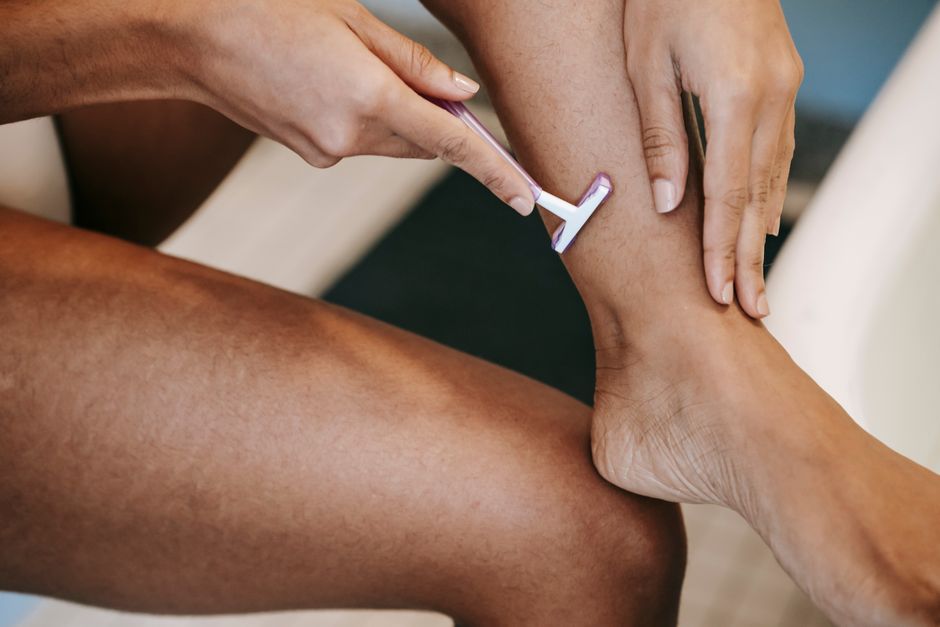
Prevention starts before you remove hair. Shave in the direction of hair growth, not against it. Use a sharp, clean razor every time. Dull blades tug at hairs and create sharp tips that pierce the skin more easily. Shave after a warm shower when hair is soft. Rinse the blade after each stroke.
If you wax or use depilatory creams, follow package directions carefully. Exfoliate gently one to two times per week between hair removal sessions. This keeps dead skin from building up and trapping hairs. Moisturize daily to keep skin flexible. Consider using an electric trimmer instead of a razor if you get frequent ingrown hairs. Some people find that stopping hair removal for a few weeks helps the skin heal completely.



When To See A Doctor For An Ingrown Hair
Most ingrown hairs clear up on their own within a week or two. But some need medical treatment. See a doctor if the bump grows larger or stays longer than two weeks. Also see a doctor if you notice signs of infection: increasing pain, spreading redness, warmth, or pus that is thick and yellow or green. Fever is a sign the infection may be spreading and requires prompt medical attention.
Dermatologists can treat stubborn ingrown hairs with a small incision to release the hair or with prescription creams that reduce inflammation. People who get ingrown hairs often may benefit from laser hair removal, which reduces hair growth over time.
Can You Pop An Ingrown Hair Like A Pimple?
No. Popping an ingrown hair is not recommended. Squeezing or picking at the bump pushes bacteria deeper into the skin. This increases the risk of infection, scarring, and hyperpigmentation (dark spots). The goal is to gently release the hair, not to pop it like a pimple. If you have a pus-filled bump, it is better to see a doctor than to try to drain it yourself.
Frequently Asked Questions
How long does an ingrown hair take to heal?
Most mild ingrown hairs heal within one to two weeks with home treatment. Infected or deeply embedded hairs may take longer and may require medical care.
Should I use a needle to dig out an ingrown hair?
No. Using a needle or other sharp object increases infection risk and can cause scarring. Sterile tweezers are safer if the hair loop is visible. Otherwise, let the skin heal naturally.
What is the best way to prevent ingrown hairs on the face?
Shave in the direction of hair growth, use a sharp blade, and avoid shaving too closely. Exfoliate gently before shaving and apply an alcohol-free moisturizer afterward.
Can ingrown hairs cause scars?
Yes. Repeated picking or squeezing can lead to permanent dark spots or raised scars. Proper home treatment and avoidance of picking reduces this risk.
