
A sore throat is one of the most common reasons people visit a doctor, but most cases are viral and will resolve on their own. The key difference is that viral sore throats are caused by cold and flu viruses, while bacterial sore throats are caused by bacteria, most commonly group A Streptococcus. You can often tell the difference by looking at your other symptoms, checking for a fever, and examining your throat for specific signs like white patches, though a rapid strep test is the only way to know for sure.
What Causes a Viral Sore Throat?
Viruses cause most sore throats. The common cold, influenza, and even COVID-19 can all produce throat pain as an early symptom. These viruses infect the lining of your throat and cause inflammation, which leads to that raw, scratchy feeling when you swallow.
Viral sore throats often come with other symptoms that affect your whole body. You might have a runny nose, cough, sneezing, or watery eyes. These symptoms point strongly toward a virus because bacteria rarely cause nasal congestion or a cough.
Fever can occur with a viral infection, but it is usually mild. A low-grade fever under 101°F is common. Some viral infections, like the flu, can cause higher fevers, so fever alone does not reliably distinguish viral from bacterial.
Most viral sore throats improve within 5 to 7 days. Your immune system clears the virus on its own, and antibiotics do not help. Taking antibiotics for a viral infection does not shorten the illness and contributes to antibiotic resistance, which is a serious public health problem.
How To Tell If A Sore Throat Is Viral Or Bacterial
Bacterial sore throats are less common but more serious. Group A Streptococcus, often called strep throat, is the cause in about 20 to 30 percent of sore throats in children and about 5 to 15 percent in adults. The symptoms look different from a viral infection in several important ways.
Strep throat usually comes on suddenly. One moment you feel fine, and a few hours later you have severe throat pain. The throat often appears red and swollen, and you may see white patches or pus on the tonsils. Your tonsils might also be enlarged.
Other signs of strep throat include a fever above 101°F, swollen lymph nodes in the neck, and headache. You may also have a fine red rash, which doctors call scarlet fever. Importantly, strep throat rarely causes a cough, runny nose, or congestion. If you have those symptoms, a virus is more likely.
Age matters in this decision. Strep throat is most common in children between 5 and 15 years old. It is uncommon in children under 3. Adults get strep throat less often, but it still happens, especially in close-contact settings like schools or households.
One thing to understand: you cannot reliably diagnose strep throat by looking at it. The appearance of the throat overlaps between viral and bacterial infections. Some viral infections, like mononucleosis, can cause white patches on the tonsils that look exactly like strep. That is why doctors use tests.
What Does a Strep Test Actually Tell You?
The rapid antigen test, often called a rapid strep test, is the standard first step. A doctor swabs the back of your throat and tests the sample for strep bacteria. The test takes about 10 minutes and is highly specific, meaning a positive result is very reliable.
The rapid test is not as sensitive as a throat culture. It can miss some infections, especially if the bacterial load is low. For this reason, many doctors send a sample for a throat culture when the rapid test is negative but symptoms strongly suggest strep. The culture takes 24 to 48 hours to grow.
Doctors use something called the Centor criteria to decide who needs testing. This scoring system looks at four factors: presence of fever, absence of cough, swollen tender lymph nodes, and white patches on the tonsils. The more criteria you meet, the higher your chance of strep and the more likely a doctor will test.
You should see a doctor if you have a sore throat with a fever above 101°F, white patches on your tonsils, or swollen lymph nodes. You should also seek care if you have difficulty swallowing liquids, difficulty breathing, or drooling, which can indicate a more serious infection.





When Antibiotics Are Necessary
Antibiotics are only effective against bacterial infections. For strep throat, doctors typically prescribe penicillin or amoxicillin. These medications shorten the illness by about one day and reduce the risk of complications.
The most important reason to treat strep throat is to prevent rheumatic fever, a serious condition that can damage heart valves. Rheumatic fever was common before antibiotics and has become rare in developed countries because of prompt treatment. This complication typically develops 2 to 3 weeks after the initial infection.
Another complication is a peritonsillar abscess, a collection of pus behind the tonsil that causes severe pain and difficulty opening the mouth. This is a medical emergency that requires drainage and intravenous antibiotics.
Antibiotics do not help viral sore throats. They do not reduce pain, shorten the illness, or prevent complications. Taking them unnecessarily exposes you to side effects like diarrhea and allergic reactions, and contributes to the growing problem of antibiotic-resistant bacteria.
Home Care That Actually Works
Whether your sore throat is viral or bacterial, the same home treatments can relieve pain while you recover. Warm salt water gargles, made with half a teaspoon of salt in a glass of warm water, can soothe the throat. Honey in warm tea is a traditional remedy with some evidence behind it for cough relief.
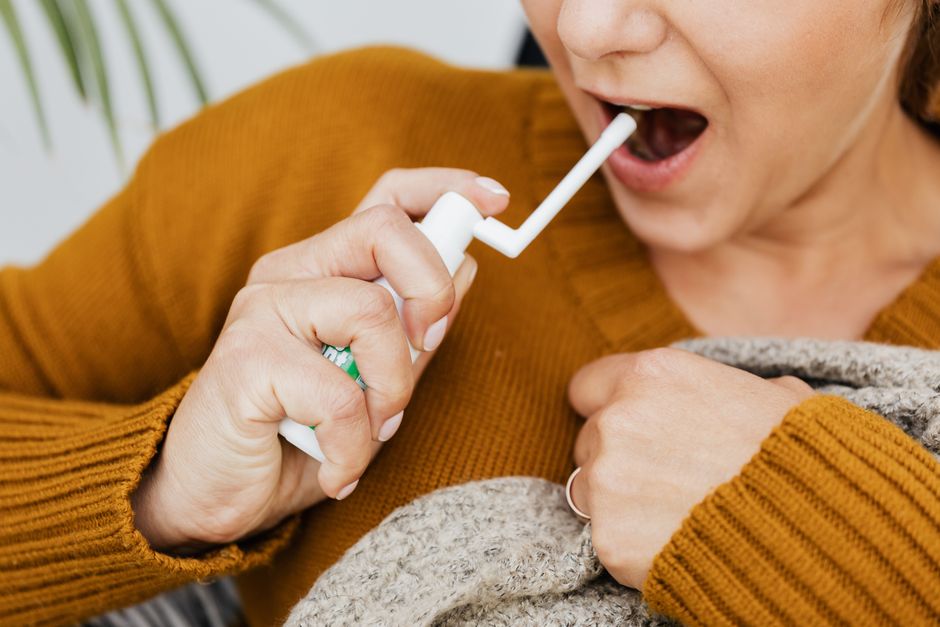
Over-the-counter pain relievers like acetaminophen or ibuprofen reduce throat pain and fever. Lozenges and throat sprays containing benzocaine or menthol provide temporary numbing. These do not treat the infection, but they make the symptoms more bearable.
Staying hydrated is important. Cold liquids can numb the throat, while warm liquids like broth or tea can be soothing. Avoid acidic foods, spicy foods, and rough textures like chips that can irritate an already inflamed throat.
Rest matters. Your immune system works best when you are not pushing your body. Staying home also prevents spreading the infection to others, whether it is viral or bacterial. You are typically contagious for the first few days of symptoms.
When To See a Doctor
Most sore throats do not require medical attention. You can manage them at home with fluids, rest, and pain relievers. But certain warning signs should prompt a visit to your doctor or an urgent care center.
Seek medical care if you have a sore throat and a fever above 101°F that lasts more than two days, difficulty swallowing or breathing, or visible white patches on your tonsils. Also seek care if you have a sore throat after being exposed to someone with confirmed strep throat.
Adults with a sore throat and no other symptoms can usually wait a few days to see if it improves before seeing a doctor. Children with a sore throat and fever should be evaluated sooner, especially if they are under 12 years old where strep is more common.
If you have recurring sore throats, chronic tonsillitis, or a sore throat that lasts more than two weeks, you should be evaluated. Persistent throat pain can indicate other conditions, including acid reflux, allergies, or in rare cases, more serious problems.
Can You Prevent Sore Throats?
Hand washing is the single most effective way to prevent the spread of both viral and bacterial throat infections. The viruses and bacteria that cause sore throats spread through respiratory droplets when an infected person coughs or sneezes, and through contact with contaminated surfaces.
Avoid sharing utensils, cups, and toothbrushes with someone who has a sore throat. These items can carry the bacteria or viruses directly from one person to another. This is especially important in households where one member is sick.
There is no vaccine for strep throat. The flu vaccine does not prevent all viral sore throats, but it reduces your risk of influenza, which is a common cause of severe throat pain. Good general health habits, including adequate sleep and a balanced diet, support your immune system.
If you have strep throat, you should stay home for at least 24 hours after starting antibiotics. After that point, you are generally no longer contagious. For viral infections, you are typically contagious for the first few days of symptoms, so staying home while you feel unwell is the responsible choice.
Frequently Asked Questions
Can a viral sore throat turn into a bacterial one?
Yes, this can happen, though it is not common. A viral infection can weaken your immune defenses and allow bacteria that are already present in your throat to multiply and cause a secondary infection.
How long does a viral sore throat last compared to strep throat?
A viral sore throat typically improves within 5 to 7 days. Strep throat also usually resolves on its own within that time, but antibiotics shorten the contagious period and reduce the risk of complications.
Is a sore throat without a fever more likely viral or bacterial?
A sore throat without a fever is more likely viral. Strep throat usually causes a fever above 101°F, though not every case follows this pattern.
Can I test for strep throat at home?
Home test kits for strep are available over the counter, but they are less reliable than tests performed in a medical setting. A negative home test does not rule out strep, especially if your symptoms strongly suggest it.
