
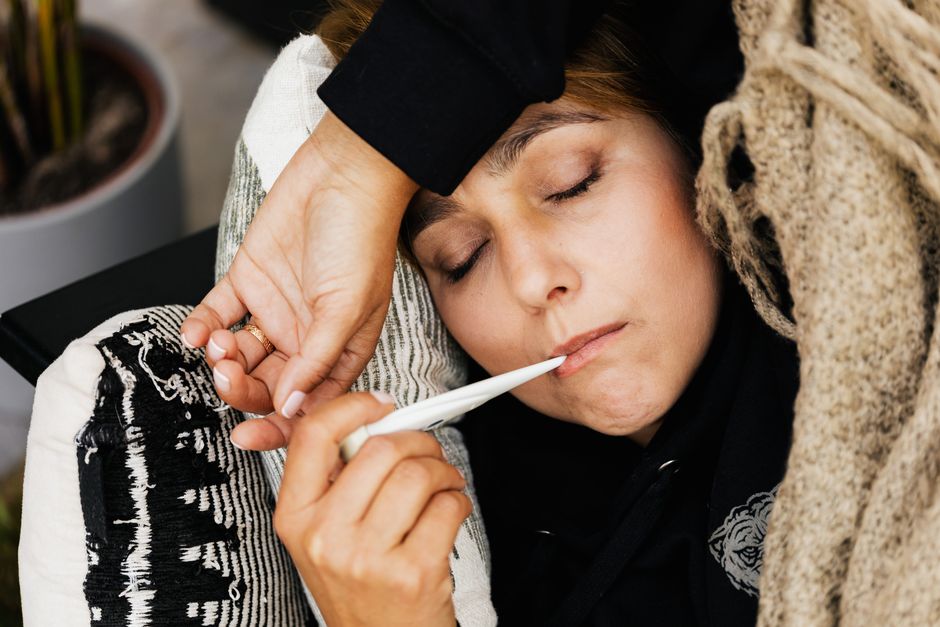
A fever is your body’s way of fighting off an infection. When it breaks, you will notice a clear shift in how you feel. The most reliable signs include a drop in temperature, heavy sweating, and a sudden feeling of being cold or chilled. Once the fever breaks, focus on rehydration, rest, and monitoring your temperature to ensure it stays down.
What Does It Mean When A Fever Breaks?
A fever breaks when your brain’s thermostat resets back to normal. Your body works to lower its core temperature, and that process is often dramatic.
During a fever, your body conserves heat. Your blood vessels constrict, and you may feel cold and shiver. When the fever breaks, the opposite happens. Blood vessels dilate, which sends warm blood to your skin. This is why you suddenly feel hot and start to sweat.
Sweating is the body’s cooling mechanism. As sweat evaporates from your skin, it pulls heat away from your body. This is a physical sign that the fever is resolving.
5 Clear Signs A Fever Has Broken
You do not need a thermometer to know a fever has broken, but it helps. Here are the physical signs to watch for.
- Heavy sweating: This is often the first clear sign. Your skin becomes damp, and you may feel a sudden flush of heat.
- Feeling cold or shivering: As the body releases heat, the skin cools quickly. This drop in skin temperature can trigger chills, even while your core temperature is dropping.
- Lower temperature reading: A reading below 100.4°F (38°C) is considered normal. A temperature that drops below this line is a definitive sign.
- Increased thirst: Sweating removes fluid from your body. Your body signals this loss with a strong thirst response.
- Sudden fatigue: Fighting an infection takes energy. When the fever breaks, your body shifts from defense mode to recovery mode, which often feels like exhaustion.
These signs often appear together. Sweating and chills can happen within minutes of each other. This is normal and not a sign that the fever is getting worse.
How Long Does It Take For A Fever To Break?
There is no single timeline. It depends on the cause of the fever and how your body responds.
For most viral infections, a fever lasts 2 to 3 days. It may break and return several times during that period. A fever that breaks and then returns within 24 hours is common with flu or cold viruses.
Bacterial infections may cause fevers that last longer. These often require antibiotics. If a fever lasts more than 3 days, it is worth a medical evaluation.
Fever-reducing medications like acetaminophen or ibuprofen can bring a fever down within 30 to 60 minutes. But this is not the same as the fever breaking. Medication temporarily lowers the temperature. The fever breaks when your immune system has turned off the fever response itself.




What To Do Right After A Fever Breaks
The moment a fever breaks, your body has lost fluids through sweat. Your priority is rehydration.
Drink water, clear broth, or an electrolyte drink. Sip slowly if you feel nauseated. You do not need sports drinks unless you have been sweating heavily for hours. Plain water is usually enough.
Change out of damp clothing. Sweat-soaked clothes can cause a chill, which may make you feel colder than you are. Dry clothing and a light blanket help your body regulate its temperature comfortably.
Do not bundle up. Heavy blankets trap heat and can make you sweat more, which delays the cooling process. A light layer is enough.
Rest. Your immune system has done significant work. The fatigue you feel is real, and pushing through it can slow your recovery.
How To Monitor A Fever After It Breaks
Keep monitoring your temperature for at least 24 hours after the fever breaks. This tells you whether the infection is truly resolving or whether the fever is likely to return.
Take your temperature at the same times each day. Morning and evening readings give you a clear picture. A normal temperature ranges from about 97°F (36.1°C) to 99°F (37.2°C).
It is normal for temperature to fluctuate slightly during the day. It tends to be lower in the morning and higher in the late afternoon. A single high reading is less concerning than a pattern of rising temperatures.
If the fever returns within 24 hours, treat it the same way you did the first time. Hydrate, rest, and use fever-reducing medication as directed. A returning fever does not automatically mean the infection is worse. It often means your immune system is still fighting.
When To See A Doctor
Some fevers need medical attention. Do not wait for a fever to break on its own if you have any of these signs.
- Fever above 103°F (39.4°C) that does not respond to medication
- Fever lasting more than 3 days in adults
- Severe headache, stiff neck, or confusion
- Difficulty breathing or chest pain
- Rash that does not fade when pressed
- Signs of dehydration, such as dark urine, dizziness, or dry mouth
For infants under 3 months, any rectal temperature of 100.4°F (38°C) or higher requires immediate medical care. Do not give fever-reducing medication to infants under 3 months without a doctor’s guidance.
For children, call a doctor for any fever above 104°F (40°C), a fever lasting more than 3 days, or a fever accompanied by a seizure, severe pain, or unusual irritability.
These are not exhaustive lists. Trust your judgment. If you feel something is wrong, a medical evaluation is reasonable.
Can A Fever Break And Come Back?
Yes. This is common and not automatically a reason for concern.
Many viral infections cause fevers that come and go. The fever may break, stay away for 12 to 24 hours, and then return. This often happens because the immune system is still clearing the infection.
Fever is a response, not the illness itself. The fever will keep returning until the underlying infection is resolved. For most viral infections, that takes a few days.
If a fever returns after being gone for more than 48 hours, it may signal a secondary infection. This can happen with conditions like pneumonia or sinus infections that develop after a cold or flu. A returning fever after a period of feeling well deserves attention.
Fever In Adults vs. Children: What Is Different?
Children’s fevers tend to run higher than adults’ fevers. A child may reach 104°F (40°C) with a mild virus, while an adult with the same virus might peak at 101°F (38.3°C). This is a normal difference, not a sign of more severe illness.
Children also break fevers faster. Their temperature regulation systems respond more quickly, which is why a child may go from sweating to chills to normal temperature within a few hours.
Adults tend to feel the effects of a fever more intensely. Muscle aches, fatigue, and headache are often more pronounced in adults than in children with the same temperature.
The treatment approach is the same: hydration, rest, and fever-reducing medication when needed. The main difference is in monitoring. Children’s temperatures can spike quickly, so more frequent checks are appropriate.
Common Myths About Breaking A Fever
Some widely shared advice about fevers is not supported by evidence.
Myth: You should sweat out a fever. Some people believe heavy blankets and layers of clothing help a fever break faster. This is not true. It raises your temperature further and increases the risk of dehydration. Light clothing and a comfortable room temperature are safer.
Myth: A fever must be treated with medication. A fever is part of the immune response. In otherwise healthy adults, a fever below 102°F (38.9°C) does not always need medication. Treat the person, not the number. If you feel miserable, medication is appropriate. If you feel okay, letting the fever run its course is acceptable.
Myth: A fever breaking means you are cured. A broken fever means your temperature is normalizing. It does not mean the infection is gone. You can still be contagious and still need rest. The fever is one symptom, not the whole illness.
Frequently Asked Questions
How long after a fever breaks are you contagious?
It depends on the illness, not the fever. For most viral infections, you are contagious as long as you have symptoms. For flu, that is typically 5 to 7 days after symptoms start.
Should I take medicine right after a fever breaks?
No. If the fever has broken naturally, you do not need more fever-reducing medication. Take it only if the fever returns and you feel uncomfortable.
Why do I feel cold after a fever breaks?
Your body is releasing heat quickly, and your skin temperature drops. This triggers the same chill response you get when stepping out of a warm bath.
What temperature means a fever has broken?
A temperature below 100.4°F (38°C) is considered normal. A reading at or below this line confirms the fever has broken.
