
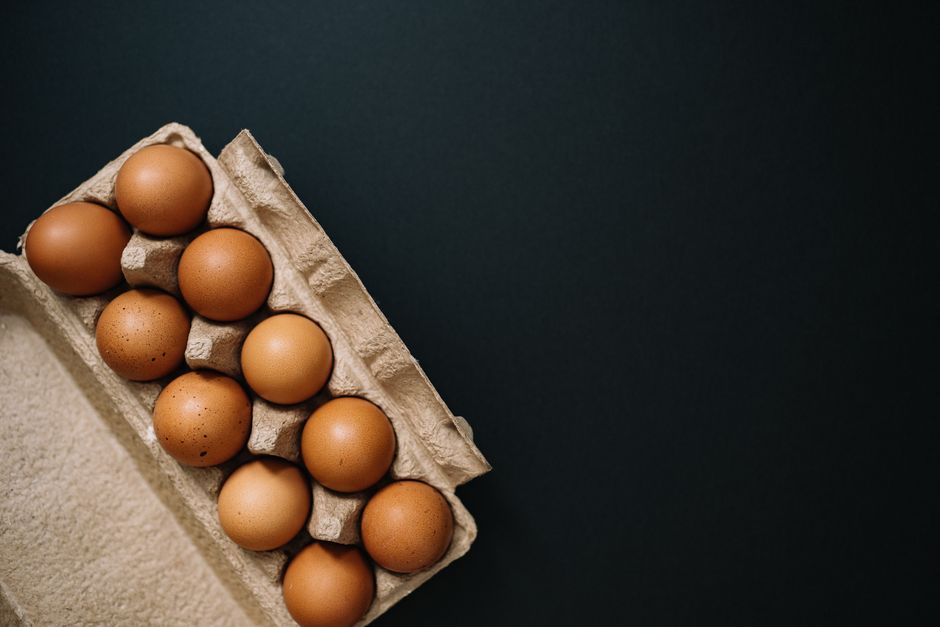
You can tell if eggs are good by checking the sell-by date, doing the float test in water, and smelling the egg after cracking it open. The float test is the most reliable home method: a fresh egg sinks and lies flat on the bottom, while an older egg stands upright or floats. Cracked eggs with a foul or sulfur smell should always be thrown out, regardless of how they look.
How Can You Tell If Eggs Are Good Using the Float Test?
The float test works because eggs lose moisture and carbon dioxide through their shells over time. As an egg ages, the air cell inside grows larger. A bigger air cell means more buoyancy.
Fill a bowl with cold water and gently place the egg in it. A fresh egg will sink to the bottom and rest on its side. An egg that is still safe to eat but not fresh will stand upright on the bottom. An egg that floats to the surface has likely gone bad and should be discarded.
This test is not perfect. An egg that floats is almost certainly old, but an egg that sinks is not guaranteed to be safe if it was stored improperly or cracked. Use the float test as a first screen, not the final word.
What Does the Expiration Date Actually Tell You?
Sell-by dates are about quality, not safety. Eggs are typically safe to eat for 3 to 5 weeks after the sell-by date, provided they were refrigerated the whole time. The USDA requires egg cartons to show a pack date, which is a three-digit number representing the day of the year the eggs were washed, graded, and packed.
That pack date is more useful than the sell-by date. For example, if the pack date reads 045, the eggs were packed on the 45th day of the year. Eggs stored properly in the refrigerator can maintain quality for 4 to 5 weeks after that pack date.
If eggs were left on the counter for several hours, the clock moves faster. Refrigeration slows bacterial growth and moisture loss. Eggs left at room temperature age more quickly and carry a higher risk of Salmonella growth.
Does the Sniff Test Work After Cracking?
Yes. A bad egg has a distinct, unpleasant sulfur smell that is hard to miss. This odor comes from hydrogen sulfide gas produced as the egg white breaks down. If you crack an egg and smell anything off, throw it out.
Do not rely on appearance alone. A slightly cloudy white is normal in fresh eggs. A pinkish, iridescent, or greenish white can indicate spoilage from bacteria like Pseudomonas. If you see those colors, discard the egg even if it smells fine.
Blood spots are not a sign of spoilage. They are caused by a ruptured blood vessel in the hen during egg formation and are safe to eat. You can remove them with the tip of a knife if you prefer.





What Do the Yolk and White Tell You About Freshness?
A fresh egg has a firm, round yolk and a thick white that stays close to the yolk. As the egg ages, the white thins out and spreads farther across the pan. The yolk flattens and breaks more easily.
This visual change is a quality indicator, not a safety indicator. A flat yolk and runny white mean the egg is older, but it can still be perfectly safe to eat if it was stored cold and smells fine.
The chalaza, a cloudy white strand attached to the yolk, is also a freshness sign. A prominent chalaza means the egg is fresh. It is not an embryo or a defect. It is a natural protein structure that holds the yolk in place.
Can You Eat Eggs Past the Sell-By Date?
Yes, in most cases. Eggs that have been continuously refrigerated are often safe to eat for several weeks past the sell-by date. The sell-by date is a quality marker, not a safety deadline. The key conditions are continuous refrigeration and no cracks in the shell.
If an egg has a cracked shell, bacteria can enter through the break. Discard cracked eggs even if they look fine on the inside. The shell is the egg’s primary defense against contamination.
For recipes that call for raw or undercooked eggs, like homemade mayonnaise or soft scrambled eggs, use the freshest eggs you can find. The risk of Salmonella is low overall, but it is not zero. Fresh eggs with intact shells carry the lowest risk.
How Should You Store Eggs to Keep Them Good Longer?
Keep eggs in the refrigerator at or below 40°F. Store them in their original carton rather than in the refrigerator door. The door opens and closes frequently, causing temperature swings that can accelerate spoilage.
The carton also protects eggs from absorbing strong odors from other foods. Eggs are porous, and they can pick up smells from onions, fish, or other strong-smelling items in the fridge.
Do not wash eggs before storing them. Commercial eggs in the United States are already washed and coated with a food-grade mineral oil to seal the pores. Washing them again removes that protective coating and increases the risk of bacteria entering the shell.
For hard-boiled eggs, the storage rules change. Hard-boiled eggs should be used within one week. The cooking process removes the natural protective coating on the shell, making the eggs more vulnerable to bacteria.
Are There Any Risks With Eating a Bad Egg?
The main risk is food poisoning from Salmonella, a bacteria that can cause diarrhea, fever, and abdominal cramps. Symptoms usually appear within 12 to 72 hours after eating contaminated food. Most healthy adults recover within a few days without medical treatment.
Certain groups face higher risk of severe illness. Young children, older adults, pregnant women, and people with weakened immune systems should be extra careful with eggs. For these groups, even mild spoilage is not worth the risk.
If you suspect you ate a bad egg and develop severe symptoms, contact a healthcare provider. Signs of severe food poisoning include high fever, blood in the stool, prolonged vomiting, or signs of dehydration.
Does the Candling Method Work at Home?
Candling is the process of holding an egg up to a bright light to inspect the interior. Commercial egg producers use this method to grade eggs. At home, a bright flashlight can work in a dark room.
Hold the egg against the light and look at the air cell at the blunt end. A small air cell means the egg is fresh. A large air cell means the egg is older. You can also see the yolk shadow and any cracks or spots.
This method takes practice. For most people, the float test and the smell test are more practical and just as reliable for home use. Candling is useful if you raise your own chickens and want to check eggs before refrigerating them.
What About Eggs From Backyard Chickens?
Fresh eggs from backyard chickens are handled differently. Unwashed eggs with the natural bloom intact can sit at room temperature for a few weeks. The bloom is a protective coating that seals the pores in the shell.
Once you wash a backyard egg, it must be refrigerated. Washing removes the bloom and opens the pores to bacteria. Store washed eggs in the refrigerator and use them within a few weeks.
If you receive farm eggs that have not been refrigerated, do not put them in the refrigerator and then take them back out repeatedly. Temperature changes cause condensation on the shell, which can draw bacteria into the egg.
Frequently Asked Questions
How long are eggs good after the sell-by date?
Eggs are typically safe to eat for 3 to 5 weeks after the sell-by date if they were refrigerated continuously. The sell-by date is about quality, not safety.
Does a floating egg mean it is bad?
A floating egg is very old and should be discarded, but the float test alone is not a guarantee of safety. Always crack and smell the egg before using it.
Can you get sick from eating an expired egg?
Yes, eating a spoiled egg can cause Salmonella food poisoning with symptoms like diarrhea, fever, and cramps. People with weakened immune systems face higher risk of severe illness.
Is it safe to eat eggs with blood spots?
Yes, blood spots are safe to eat and are caused by a ruptured blood vessel in the hen. They are not a sign of spoilage or contamination.
