
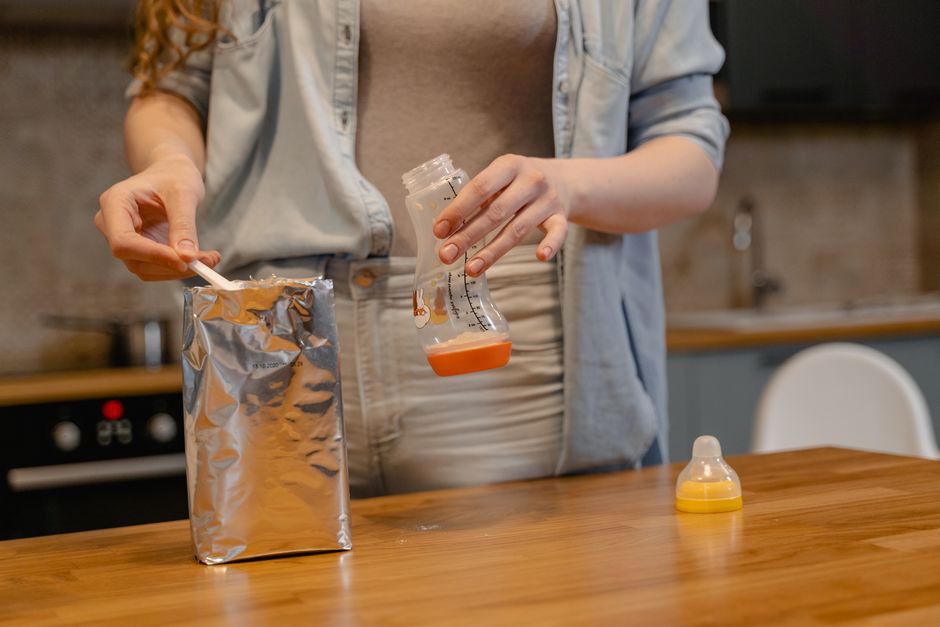
Powdered milk can last a long time, but it does not last forever. The best way to tell if it is still good is to check the expiration date, then open the container and use your senses. If the powder has an off smell, a change in color, or tastes stale or sour, it is bad and should be thrown away. When stored properly in a cool, dry place, an unopened package of powdered milk can stay good for 12 to 24 months, but once opened, it is best used within a few months.
How To Tell If Powdered Milk Is Bad Or Still Good?
Your senses are your best tool. Start by looking at the powder. Fresh powdered milk is a uniform, pale cream or white color. If you see yellowing, brown spots, or any dark clumps, that is a clear sign of spoilage. Moisture is the main enemy of powdered milk. If the powder has gotten wet, it can clump and grow mold.
Smell the powder next. Good powdered milk has a mild, slightly sweet, and clean dairy smell. If it smells sour, musty, or like old cheese, it has gone bad. Trust your nose here. A sour smell means bacteria or mold have started to grow.
Finally, check the texture. The powder should flow freely and feel dry. If it is hard, lumpy, or sticky, moisture has gotten in. You can break up small clumps and use the milk if the smell is still fine, but large hard clumps are a sign the powder has absorbed too much moisture and should be discarded.
How Long Does Powdered Milk Actually Last?
Powdered milk has a long shelf life because the water is removed. Bacteria and mold need water to grow, so removing it keeps the milk stable. However, the fats in the milk can still go rancid over time when exposed to oxygen and light.
An unopened package of nonfat dry milk typically lasts 12 to 24 months past the printed date when stored in a cool, dry place. Whole milk powder has more fat and does not last as long. It is usually best within 6 to 12 months. Once you open the package, the clock speeds up. Exposure to air and humidity shortens the shelf life to about 3 to 6 months for best quality.
These timelines are for quality, not just safety. The milk may still be safe to drink after this time, but the taste and nutritional value will decline. Rancid fats do not taste good, and some research suggests they are not good for you either.
What Is The Best Way To Store Powdered Milk?
Storage conditions matter more than almost anything else. The three things that ruin powdered milk are heat, light, and moisture. Keep it in a cool, dark cabinet away from the stove or oven. A pantry shelf is usually fine.
Once opened, transfer the powder to an airtight container. The original bag or box is not designed to keep air out after it is opened. A glass jar with a tight lid or a food-grade plastic container works well. Some people store powdered milk in the freezer to extend its life. This works, but it is not necessary. If you do freeze it, make sure the container is completely airtight so the powder does not absorb moisture from the freezer.
Never store powdered milk in the refrigerator. The humidity inside a fridge is too high, and the powder will absorb moisture and clump. Always use a dry spoon to scoop out the powder. Any water introduced into the container can start bacterial growth.





What Happens If You Drink Bad Powdered Milk?
Drinking spoiled powdered milk can make you sick. The most common symptoms are stomach cramps, nausea, diarrhea, and vomiting. These symptoms come from bacteria like Salmonella or from the toxins produced by mold. The severity depends on the type of contaminant and your own health.
People with weakened immune systems, pregnant women, young children, and older adults are at higher risk of more serious illness. If you accidentally consume a small amount of bad powdered milk, you will likely be fine, but you may experience some digestive upset. If you develop severe symptoms, a high fever, or signs of dehydration, seek medical care.
If the milk just tastes stale or slightly off but does not smell sour, it is probably safe but not pleasant. The risk comes when there is visible mold, a strong sour odor, or an unusual color. Those are signs of microbial growth, and that milk should never be consumed.
Can You Use Powdered Milk After The Expiration Date?
Yes, in many cases you can. The expiration date on powdered milk is a “best by” date, not a safety date. It tells you when the manufacturer expects the quality to start declining. The milk will not suddenly become dangerous the day after the date passes.
If the package is unopened and has been stored properly, it can often be used for several months past the date. The key is to inspect it carefully before using. If it looks, smells, and tastes normal, it is likely fine. If there is any doubt, throw it out. The cost of a new package is not worth the risk of food poisoning.
Some research suggests that properly stored nonfat dry milk can retain its quality for up to 24 months past the printed date. However, this depends heavily on storage conditions. Powdered milk that has been exposed to heat or humidity will spoil much faster than the date suggests.
How To Test Reconstituted Milk Before Using It
If you are unsure about the powder, mix a small test batch before using it in a recipe. Use the recommended ratio of powder to water, usually about 1/3 cup of powder to 1 cup of water for instant dry milk. Stir it well and let it sit for a minute.
Look at the liquid milk. It should look like regular milk — white and opaque. If it looks yellowish, has dark specks, or looks curdled, discard it. Smell the liquid milk. It should smell fresh and mildly sweet. Then taste a small sip. If it tastes sour, bitter, or has an unpleasant aftertaste, do not use it.
This test works because some spoilage is only noticeable after the powder is mixed with water. The powder may look fine, but the reconstituted milk can reveal off-flavors that were hidden in the dry state.
Does Powdered Milk Lose Nutrients Over Time?
Yes, some nutrient loss is normal over time. The amount varies by nutrient and storage conditions. Vitamin C and some B vitamins are the most sensitive to degradation. They break down when exposed to light, heat, and oxygen over long periods.
Protein and calcium are much more stable. They remain largely intact for years when the powder is stored properly. The mineral content, including calcium, potassium, and phosphorus, does not degrade significantly. This means the milk is still a good source of calcium and protein even after extended storage.
However, the fat in whole milk powder can oxidize, which creates off-flavors and reduces the nutritional quality of the fat. Nonfat dry milk avoids this problem because it has almost no fat. This is one reason nonfat dry milk has a longer shelf life than whole milk powder.
Signs Your Powdered Milk Has Gone Bad
Here is a quick checklist to run through when you are unsure about a package of powdered milk:
- Color changes: Yellowing, brown spots, or dark flecks mean spoilage.
- Off smell: Sour, musty, or cheesy odors indicate bacterial or mold growth.
- Clumping: Large hard clumps or a sticky texture mean moisture got in.
- Visible mold: Any fuzzy spots, usually black, green, or gray, mean throw it out.
- Unusual taste: Sour, bitter, or rancid flavor after mixing means do not drink it.
If you see any of these signs, do not try to salvage the milk. Cutting off a moldy spot does not work because mold spores can spread invisibly through the entire container. The safest choice is always to discard the whole package.
Frequently Asked Questions
Can powdered milk go bad if it is unopened?
Yes, even unopened powdered milk can go bad over time. The fats can become rancid and the quality declines after 12 to 24 months, especially if stored in a warm place.
What does spoiled powdered milk smell like?
Spoiled powdered milk smells sour, musty, or like old cheese. Fresh powdered milk has a clean, mildly sweet dairy smell that is noticeably different.
Is it safe to eat dry powdered milk straight from the package?
Commercially produced powdered milk is pasteurized, so it is safe to eat dry. However, it can be a choking hazard, especially for children, and it tastes better when mixed with water.
Does powdered milk need to be refrigerated after opening?
No, powdered milk should not be refrigerated. The humidity in a refrigerator causes the powder to absorb moisture and clump. Store it in an airtight container in a cool, dry cabinet instead.
