
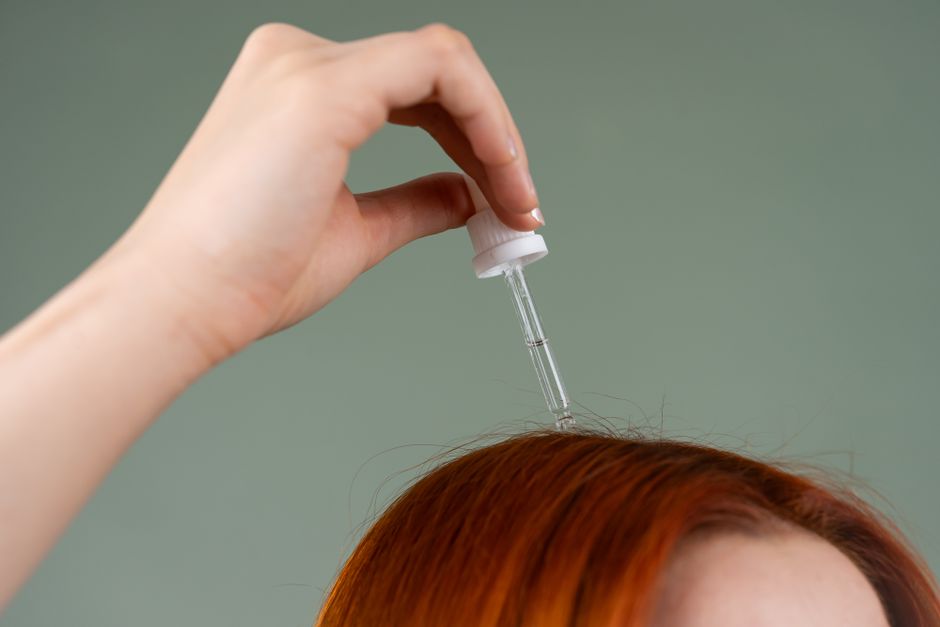
Itchy scalp, white flakes on your shoulders, and a nagging feeling that something is off. You might assume it is dandruff, but it could actually be a dry scalp. These two conditions feel similar but have different causes and need different treatments. The key signs to tell them apart come down to the size and color of the flakes, how your scalp feels, and whether your skin elsewhere is also dry. Dandruff flakes are larger, oily, and yellowish, while dry scalp flakes are small, white, and powdery. Dry scalp is a skin moisture problem, while dandruff is linked to oil production and a yeast that lives on the scalp.
What Causes Dry Scalp and Dandruff?
Dry scalp happens when the skin on your head loses too much moisture. The skin barrier weakens, and water escapes. This can happen from cold weather, harsh shampoos, hot showers, or indoor heating. If you have dry skin on your face or arms, you often have it on your scalp too.
Dandruff is different. It is not a dryness problem. Dandruff is linked to sebum, the natural oil your scalp produces. A yeast called Malassezia lives on everyone’s scalp and feeds on that oil. In some people, the skin reacts to this yeast, causing faster skin cell turnover. Those extra cells clump together and shed as visible flakes. This process is tied to oil, not a lack of it.
This distinction matters because the treatments are opposite. Dry scalp needs more moisture. Dandruff needs less oil and a way to calm the skin’s reaction to the yeast.
How To Tell Dry Scalp From Dandruff Key Signs
The fastest way to tell these apart is to look at the flakes themselves. Dry scalp flakes are small, dry, and white. They look like fine powder or tiny snowflakes. They fall off easily and do not stick to your hair.
Dandruff flakes are larger and often yellowish. They tend to be greasy or waxy because they contain oil. They may clump together and stick to the hair shaft near the roots. If you run your fingers through your hair and see big, oily flakes, that points to dandruff.
Your scalp’s feeling is another clue. With dry scalp, the skin feels tight, itchy, and rough. The itch is often spread out over the whole scalp. With dandruff, the scalp may feel itchy in patches, and the skin around those patches can look red or irritated. Dandruff often comes with a slightly oily scalp, not a dry one.
Location matters too. Dry scalp flakes can appear anywhere on the head, including the hairline and sides. Dandruff tends to concentrate on the crown and the back of the head, where oil production is highest. If you have flaking on your eyebrows or around your nose, that points to dandruff, because the same yeast-driven process affects those areas.
Why Using the Wrong Treatment Makes It Worse
Treating dry scalp with an anti-dandruff shampoo can make things worse. Most anti-dandruff shampoos contain active ingredients that strip oil from the scalp. If your scalp is already dry, these shampoos remove the little moisture you have left. The result is more tightness, more itching, and sometimes more flaking as the skin tries to repair itself.
Treating dandruff with a moisturizing shampoo is also a problem. Dandruff feeds on oil. Adding more moisture and oil to a scalp that already overproduces sebum gives the yeast more to eat. The flakes may not go away, and the itch can continue.
This is why getting the diagnosis right matters. A quick check of your flakes and scalp feeling can save you weeks of ineffective treatment.





How To Treat Dry Scalp
Dry scalp treatment focuses on restoring moisture and protecting the skin barrier. Use a gentle, sulfate-free shampoo. Sulfates are detergents that create foam but can strip natural oils. Wash with lukewarm water instead of hot water, because heat removes moisture.
A moisturizing conditioner applied to the scalp can help. Look for products with ingredients like glycerin, hyaluronic acid, or ceramides. These draw water into the skin or help the skin hold onto it. Some people benefit from a leave-in scalp treatment or a few drops of squalane oil, which mimics the skin’s own oils without feeding yeast.
If your scalp is very dry, reduce how often you wash your hair. Washing every day removes moisture faster than your scalp can replace it. Every other day or every two days may be enough. A humidifier in your bedroom can also help during dry winter months.
No clinical guidelines currently exist for treating dry scalp with specific products, because the condition is not classified as a medical disease. Dermatologists generally recommend the same approach used for dry skin elsewhere on the body: gentle cleansing, moisturizing, and avoiding irritants.
How To Treat Dandruff
Dandruff treatment targets the yeast and reduces oil. Over-the-counter dandruff shampoos are the standard first step. Look for active ingredients like zinc pyrithione, selenium sulfide, ketoconazole, or salicylic acid. Each works slightly differently, so if one does not help after a few weeks, try another.
Shampoo technique matters. Most dandruff shampoos need to stay on the scalp for a few minutes before rinsing. This gives the active ingredient time to work. The product label will specify how long to leave it on. Follow that timing rather than rinsing immediately.
Use the dandruff shampoo two to three times per week to start. You can alternate with a regular shampoo on other days. Once the flakes are under control, some people drop to once a week to maintain results. If over-the-counter products do not help after four to six weeks of consistent use, a dermatologist can prescribe a stronger treatment.
Clinical studies show that dandruff is a chronic condition. It can be controlled, but it often returns when treatment stops. This is normal and does not mean the treatment failed.
When To See a Dermatologist
See a doctor if the flaking is severe, if your scalp is painful, or if you notice redness, swelling, or oozing. These signs can point to conditions other than dry scalp or dandruff.
Seborrheic dermatitis is a more severe form of the dandruff process. It causes red, greasy patches covered with white or yellow scales. It can spread to the face, ears, and chest. A doctor can diagnose this and prescribe stronger topical treatments.
Psoriasis is another possibility. Scalp psoriasis causes thick, silvery scales that can bleed when removed. It often appears in patches rather than spread across the whole scalp. A dermatologist can tell the difference by looking at the skin and sometimes taking a small sample.
A fungal infection can also cause flaking and itching, but it usually comes with hair loss or broken hairs. If you notice patches of hair thinning along with the flakes, get it checked. Do not assume it is just stubborn dandruff.
Prevention Tips for Both Conditions
You cannot always prevent dry scalp or dandruff, but you can reduce flare-ups. For dry scalp, keep your showers short and warm, not hot. Apply conditioner to the scalp regularly. Protect your head from cold wind with a hat in winter.
For dandruff, wash your hair regularly enough to control oil buildup. This varies by person. Some people need daily washing, others every other day. Avoid heavy styling products that coat the scalp and trap oil.
Stress does not cause dandruff, but some research suggests it can make flare-ups worse. The same is true for dry skin conditions. Managing stress is not a cure, but it may help reduce how often symptoms return.
Diet does not have strong evidence behind it for either condition. No large human trials have confirmed that specific foods cause or cure dandruff or dry scalp. A balanced diet supports skin health in general, but do not expect dietary changes alone to resolve flaking.
Frequently Asked Questions
Can dry scalp turn into dandruff?
No, dry scalp and dandruff are separate conditions with different causes. One does not turn into the other, though a person can have both at the same time.
Is it dandruff if the flakes are small and white?
Small, white, powdery flakes usually point to dry scalp. Dandruff flakes are typically larger, yellowish, and oily.
How long does it take for dandruff shampoo to work?
Most dandruff shampoos need two to four weeks of consistent use before you see clear improvement. If there is no change after six weeks, try a different active ingredient or see a dermatologist.
Can I use moisturizer on my scalp for dry scalp?
Yes, but use a product made for the scalp rather than a heavy body lotion. Lightweight ingredients like glycerin or squalane oil absorb well without clogging hair follicles.
