
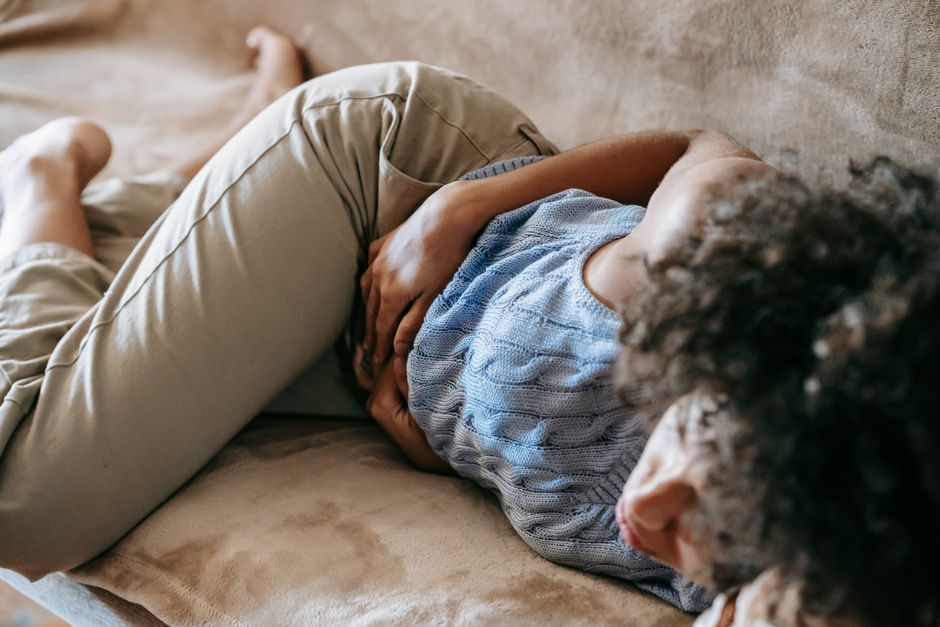
Hemorrhoid pain comes from swollen blood vessels in the lower rectum and anus. The discomfort can range from a dull ache to sharp burning that makes sitting or using the bathroom miserable. The most reliable ways to help hemorrhoid pain include warm soaks, over-the-counter creams with a numbing agent, and simple changes to how you wipe and sit. These methods address both the inflammation and the nerve signals causing the pain.
What Causes Hemorrhoid Pain in the First Place?
Pain from hemorrhoids happens when the swollen veins get pinched, irritated, or develop a blood clot. The tissue around them swells, and nerve endings in that area send pain signals. The most common triggers are hard stools, prolonged sitting on the toilet, and straining during bowel movements.
Pregnancy, obesity, and a low-fiber diet all raise pressure in the rectal veins. This pressure causes the veins to stretch and bulge. When they bulge enough, they can bleed, itch, or throb. The pain is often worst during and after a bowel movement because the stool scrapes against the swollen tissue.
Research published in Diseases of the Colon and Rectum found that nearly 75% of adults experience hemorrhoids at some point. Most cases resolve on their own within a week, but the pain can be intense during that time. Understanding the cause helps you choose the right pain relief method.
Does Warm Water Really Help Hemorrhoid Pain?
Yes. Warm water soaks are one of the most effective and well-studied home treatments. The heat relaxes the anal sphincter muscle, which reduces spasm and pressure on the swollen veins. This alone can cut pain significantly within minutes.
A sitz bath is the standard method. You sit in a few inches of warm water for 10 to 15 minutes, two to three times per day. The water should be comfortably warm, not hot. Hot water can actually worsen inflammation and burn sensitive skin.
Some people report that adding Epsom salts or baking soda helps. There is no strong clinical evidence that these additives provide extra benefit over plain warm water. The water itself is doing the work. If you do not have a sitz bath, a regular bathtub with shallow water works just as well.
One practical tip: dry the area thoroughly after soaking. Damp skin can become macerated and more irritated. Pat dry gently with a soft towel — never rub. Some people use a hair dryer on a cool setting to avoid any friction.
What Over-the-Counter Products Are Backed by Evidence?
Several OTC products have real research behind them. The most reliable are those containing lidocaine, hydrocortisone, or witch hazel. Each works through a different mechanism, and your choice depends on your main symptom.
Lidocaine is a local anesthetic. It blocks nerve signals in the skin, providing fast pain relief. Studies show it reduces pain scores within 5 to 10 minutes. Products with 5% lidocaine cream or ointment are available without a prescription. Apply a thin layer — too much can cause numbness in surrounding areas.
Hydrocortisone is a mild steroid. It reduces inflammation and itching. The American Gastroenterological Association notes that hydrocortisone is effective for short-term use, typically up to one week. Longer use can thin the skin and make hemorrhoids worse.
Witch hazel is a plant extract with astringent and anti-inflammatory properties. Some research suggests it can shrink swollen tissue and reduce pain. It is gentler than lidocaine or steroids, making it a good first choice for mild pain.
Here is a quick comparison of these three options:
| Product | How It Works | Best For | Max Use |
|---|---|---|---|
| Lidocaine (5%) | Blocks nerve pain signals | Sharp, burning pain | No strict limit, but use sparingly |
| Hydrocortisone (1%) | Reduces inflammation | Itching and swelling | 7 days |
| Witch hazel | Astringent, shrinks tissue | Mild pain and irritation | No limit |
Products that claim to “shrink hemorrhoids” often contain phenylephrine, a vasoconstrictor. This can reduce swelling temporarily, but evidence for pain relief is weaker than for lidocaine or hydrocortisone. Use these with caution, especially if you have high blood pressure.




How To Help Hemorrhoid Pain With Simple Bathroom Habits
Your bathroom habits have a direct effect on hemorrhoid pain. The way you sit, wipe, and strain can either calm the pain or make it worse. Changing these habits is often more effective than any cream or pill.
First, stop sitting on the toilet longer than necessary. The toilet seat puts direct pressure on the anal area. Prolonged sitting increases blood pooling in the hemorrhoid veins. Keep bathroom visits to under five minutes. If you cannot go, get up and try again later.
Second, change how you wipe. Dry toilet paper is abrasive and can scrape the surface of a swollen hemorrhoid. This causes sharp pain and can trigger bleeding. Use moist wipes designed for sensitive skin, or wet the toilet paper with warm water before wiping. Pat, do not rub.
Third, soften your stool. Hard stool is the main cause of straining, and straining is the main cause of hemorrhoid pain. Increase your fiber intake gradually — 25 to 35 grams per day from fruits, vegetables, and whole grains. Drink at least eight glasses of water daily. Fiber supplements like psyllium husk can help if diet alone is not enough.
One study in the American Journal of Gastroenterology found that fiber supplementation reduced hemorrhoid bleeding and pain by 50% compared to placebo. The effect took about two weeks to appear. This is not instant relief, but it addresses the root cause.
What About Ice Packs and Cold Therapy?
Cold therapy can numb the area and reduce swelling. Some people find it very effective for acute pain, especially when a hemorrhoid has recently become thrombosed — meaning a blood clot has formed inside it. The cold constricts blood vessels, which reduces blood flow to the swollen tissue.
Wrap an ice pack in a thin cloth before applying it to the area. Never place ice directly on skin. Apply for 10 to 15 minutes at a time. Longer exposure can damage the skin or cause rebound swelling when the area warms up again.
Cold therapy works best in the first 24 to 48 hours after pain starts. After that, warm soaks are generally more effective because they relax the muscle spasm that often accompanies chronic hemorrhoid pain. Some people alternate between cold and warm — this is safe but not proven to be better than either alone.
There is no strong evidence that cold therapy alone resolves hemorrhoids. It is a pain management tool, not a treatment. Use it alongside other methods like fiber and hydration for the best results.
When Should You See a Doctor for Hemorrhoid Pain?
Most hemorrhoid pain resolves on its own or with home care within a week. But some situations require medical evaluation. If you have bleeding that is heavy, ongoing, or accompanied by black or tarry stools, see a doctor. Bleeding can also be a sign of other conditions like anal fissures or colorectal cancer.
Severe pain that does not improve with OTC treatments or home care also warrants a visit. Thrombosed hemorrhoids — those with a blood clot — can cause intense pain that may need minor surgery to drain. A doctor can numb the area and make a small incision to release the clot. This provides immediate relief.
If you have a fever, chills, or discharge from the anal area, it could be an infection. Hemorrhoids themselves do not cause infections, but the skin around them can become infected if it is broken. Do not ignore these signs.
In-office procedures like rubber band ligation or infrared coagulation are options for persistent hemorrhoids. These are minimally invasive and can be done in a doctor’s office. The evidence shows they are effective for reducing pain and bleeding in people who have not responded to home treatments.
Common Misconceptions About Hemorrhoid Pain Relief
Several viral claims about hemorrhoid relief have little to no evidence behind them. Knowing which ones to skip can save you time and money.
One popular claim is that apple cider vinegar soaks or compresses shrink hemorrhoids. There is no clinical evidence for this. Apple cider vinegar is acidic and can burn sensitive anal skin, making pain worse. Do not apply it to hemorrhoids.
Another common myth is that sitting on a donut cushion (ring-shaped pillow) helps. Research suggests these cushions actually increase pressure on the anal area by spreading the buttocks apart. A flat, firm cushion or a wedge-shaped seat may be more comfortable.
Some people believe that spicy food causes hemorrhoids. Spicy food does not cause hemorrhoids, but it can irritate existing ones. If you notice pain after eating spicy meals, avoid them until the hemorrhoid heals. Otherwise, there is no need to eliminate them from your diet.
Finally, claims that “detox teas” or “colon cleanses” cure hemorrhoids are unsupported. These products can cause diarrhea, which actually worsens hemorrhoid pain by irritating the anal area. Stick to fiber and water for stool softening.
Frequently Asked Questions
How long does hemorrhoid pain usually last?
Most hemorrhoid pain improves within 3 to 7 days with home care. If pain lasts longer than a week or is severe, see a doctor.
Can exercise make hemorrhoid pain worse?
Strenuous exercise like heavy lifting or cycling can increase pressure in the rectal area and worsen pain. Gentle walking is usually safe and may help with bowel regularity.
Is it safe to use hemorrhoid creams every day?
Hydrocortisone creams should not be used for more than 7 days straight. Lidocaine creams can be used longer but sparingly. Witch hazel is safe for daily use.
Does drinking more water really help hemorrhoid pain?
Yes. Adequate hydration softens stool, which reduces straining during bowel movements. Less straining means less pressure on hemorrhoids and less pain.
