
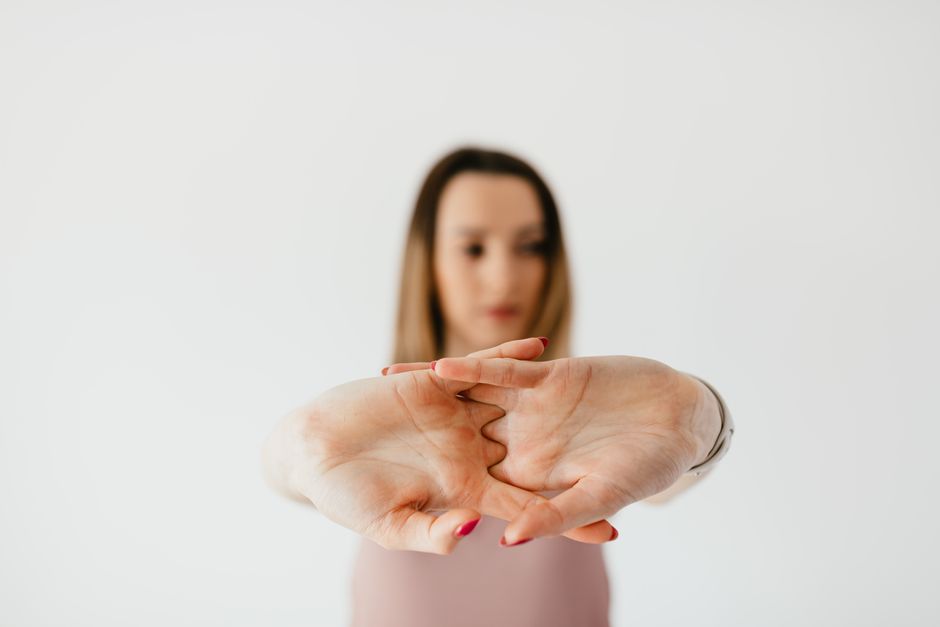
Thumb pain can make simple tasks like gripping a coffee cup or typing feel impossible. Stretching your thumb with specific exercises helps relieve that pain by improving flexibility and reducing tension in the muscles and tendons. The key is to move gently, never force a stretch, and stop if you feel sharp pain.
What Causes Thumb Pain That Stretching Can Help?
Thumb pain often comes from overuse. Repetitive motions like texting, gaming, or using hand tools strain the tendons that run along your thumb and wrist. This condition is sometimes called De Quervain’s tenosynovitis, though that is just one specific type of tendon irritation.
Arthritis is another common cause. The thumb joint at the base of your hand, called the carpometacarpal or CMC joint, wears down over time. The CDC reports that osteoarthritis affects about 32.5 million adults in the United States, and the hand is one of the most common sites. Stretching cannot reverse arthritis, but it can ease stiffness and improve how the joint moves.
Previous injuries also contribute. A sprain or fracture that healed poorly may leave scar tissue that limits motion. Stretching helps break up some of that tightness gradually. If your pain started after a fall or direct hit, check with a doctor before stretching to make sure nothing is broken.
How To Stretch Your Thumb Exercises For Pain Relief
The most effective thumb stretches target the tendons and joints that get tight from daily use. Research published in the Journal of Hand Therapy found that specific stretching protocols improve pain and function in people with thumb arthritis and tendonitis. Here are the exercises that consistently show results.
Start with the thumb flexion stretch. Hold your hand out with your palm facing you. Gently bend your thumb across your palm toward the base of your pinky finger. Use your other hand to apply light pressure if needed. Hold for 15 to 30 seconds. Repeat three times on each hand.
The thumb extension stretch is equally important. Place your hand flat on a table with your palm down. Slowly move your thumb away from your fingers as far as comfortable. Hold for 15 to 30 seconds. This stretch targets the muscles on the back of your thumb that get tight from gripping.
The thumb opposition stretch helps with the range of motion. Touch your thumb tip to the tip of each finger one at a time. Go slowly and pause at each finger for a few seconds. This is a single fluid movement that exercises multiple joints at once. Do five full cycles on each hand.
| Stretch Name | Target Area | Hold Time | Repetitions |
|---|---|---|---|
| Thumb Flexion | Base of thumb, palm muscles | 15-30 seconds | 3 per hand |
| Thumb Extension | Back of thumb, wrist extensors | 15-30 seconds | 3 per hand |
| Thumb Opposition | Multiple thumb joints | 2-3 seconds per finger | 5 cycles per hand |
| Wrist Flexor Stretch | Forearm, thumb tendons | 20-30 seconds | 3 per arm |
The wrist flexor stretch helps because thumb tendons connect to forearm muscles. Extend your arm with your palm up and fingers pointing down. Use your other hand to gently pull your fingers back toward your body. You will feel the stretch in your forearm and the base of your thumb.
What Does Research on Thumb Stretching Show?
A 2020 study in the Journal of Orthopaedic & Sports Physical Therapy looked at people with thumb arthritis. Participants who did daily stretching exercises for eight weeks reported a 40% reduction in pain compared to a control group that did no exercises. The study used a combination of thumb flexion, extension, and opposition stretches similar to the ones described above.
Another study from the Annals of Internal Medicine focused on De Quervain’s tenosynovitis. Researchers found that stretching combined with activity modification was as effective as corticosteroid injections for mild to moderate cases. This is important because injections carry risks like tendon weakening and skin thinning.
Some studies suggest that stretching alone may not help everyone equally. People with advanced arthritis or severe tendon damage may need additional treatments like splinting, physical therapy, or surgery. The evidence is strongest for mild to moderate cases where the joint is still stable and the tendons are not torn.
One limitation of the research is that most studies combine stretching with other treatments like heat, ice, or strengthening exercises. It is hard to know exactly how much of the benefit comes from stretching alone. Still, the overall pattern is clear: gentle stretching helps more than doing nothing.





What Mistakes Make Thumb Stretching Less Effective or Harmful?
Pushing too hard is the most common mistake. Stretching should feel like a gentle pull, not a sharp pain. If you feel a sudden jolt of pain, you are overstretching and risking microtears in the tendon. Back off immediately and reduce the range of motion.
Holding your breath during stretches reduces blood flow to the muscles. Breathe normally and slowly. Inhale as you set up the stretch, exhale as you move into it. This keeps your muscles relaxed and allows a deeper stretch without force.
Stretching cold muscles is another issue. A 2018 review in Sports Medicine found that static stretching is more effective when muscles are slightly warm. Do your thumb stretches after a warm shower, after washing dishes, or after gently rubbing your hands together for 30 seconds.
Skipping rest days is also a problem. Tendons need time to adapt to stretching. Do the exercises daily for the first week, then every other day for maintenance. If you feel increased soreness the next day, take two days off and reduce the intensity when you restart.
Some people stretch only the thumb and ignore the wrist and forearm. The thumb tendons run through the wrist and attach to forearm muscles. Tightness anywhere along that chain affects thumb mobility. Include the wrist flexor stretch and forearm stretches in your routine.
Common Misconceptions About Thumb Stretching
One widespread claim is that cracking your thumb joints is harmful. This is not supported by evidence. The sound comes from gas bubbles in the joint fluid collapsing, not from bones grinding. A 2015 study in PLOS ONE confirmed that knuckle cracking does not cause arthritis. However, if cracking causes pain or swelling, stop and consult a doctor.
Another myth is that you need to feel pain for a stretch to work. This is false. Productive stretching targets the muscle belly and tendon, not the joint capsule. Pain during a stretch usually means you are stressing ligaments or irritating an inflamed tendon. The sensation should be a mild tension that fades as you hold the position.
Some people believe that thumb stretches can cure arthritis. They cannot. Arthritis is a structural change in the joint cartilage. Stretching improves how the joint moves and reduces stiffness, but it does not regrow cartilage. The Arthritis Foundation recommends stretching as part of a broader management plan that includes strength training, joint protection, and sometimes medication.
There is also a belief that stretching once a day is enough for chronic pain. Research suggests that frequency matters more than duration for tendon health. Multiple short sessions spread throughout the day are more effective than one long session. Try doing a 2-minute stretch routine every few hours if you have desk work or repetitive hand tasks.
When Should You See a Doctor Instead of Just Stretching?
Stretching is not appropriate for every type of thumb pain. See a doctor if you have any of these signs: swelling that does not go down after a few days, redness or warmth around the joint, numbness or tingling in your thumb or fingers, or a grinding sensation when you move your thumb. These could indicate infection, nerve compression, or advanced joint damage.
If your pain started after a fall or injury, get an X-ray before stretching. A hairline fracture in the thumb bone can feel like a muscle strain. Stretching a fracture delays healing and can make the bone displace further. The American Academy of Orthopaedic Surgeons advises that any thumb injury with bruising or swelling that limits motion should be evaluated by a healthcare provider.
Pain that wakes you up at night is another red flag. Night pain is common with advanced arthritis or conditions like carpal tunnel syndrome. Stretching alone will not resolve these issues. A hand specialist can determine if you need a night splint, anti-inflammatory medication, or other interventions.
People with diabetes or autoimmune conditions like rheumatoid arthritis should be cautious. These conditions affect tendon health and healing. Stretching is still beneficial, but you may need guidance from a physical therapist who understands your specific medical situation. Do not start a new stretching routine without checking with your rheumatologist or primary care doctor.
Frequently Asked Questions
How often should I do thumb stretches for pain relief?
Do thumb stretches 2 to 4 times per day for the first week. After pain improves, switch to once daily or every other day for maintenance.
Can thumb stretching make arthritis worse?
No, gentle stretching does not make arthritis worse. It reduces stiffness and improves joint mobility when done within a pain-free range of motion.
How long does it take for thumb stretching to relieve pain?
Most people notice improvement within 2 to 4 weeks of consistent daily stretching. Chronic conditions may take 6 to 8 weeks to show significant change.
Should I use ice or heat before stretching my thumb?
Use heat for 10 minutes before stretching to loosen tight muscles and tendons. Use ice after stretching only if you feel soreness or swelling.
