
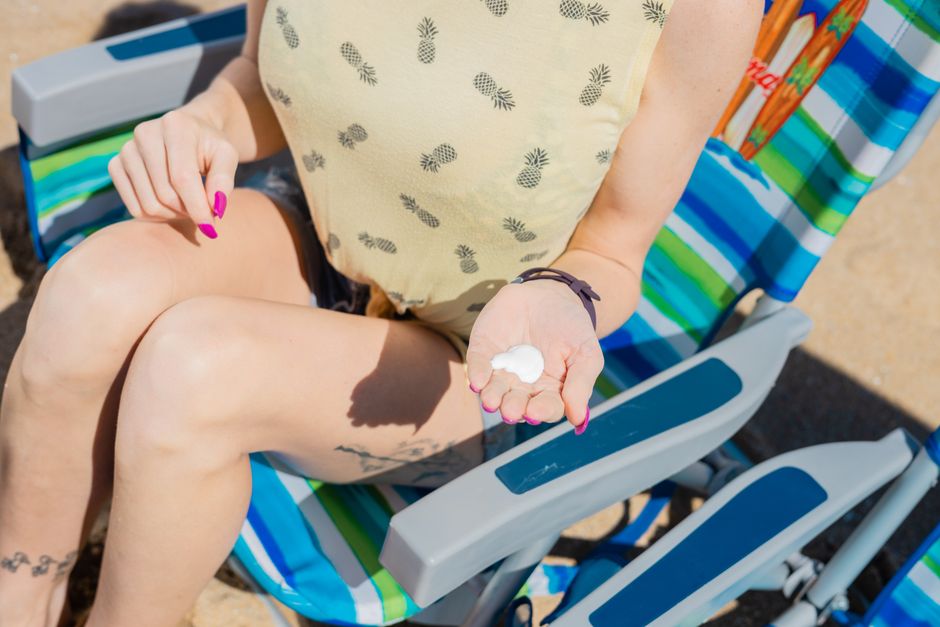
Getting a tan without tanning lotion is possible, but it requires a completely different approach than using a bottle. The safest way to achieve color is through gradual sun exposure that respects your skin type, combined with lifestyle habits that boost your skin’s natural melanin production. This guide explains how to tan without tanning lotion safely while protecting your skin from damage.
How To Tan Without Tanning Lotion Safely: Start With Your Skin Type
Your skin type determines how long you can stay in the sun before burning. The Fitzpatrick scale classifies skin into six types based on how it reacts to UV exposure. Type I always burns and never tans. Type VI rarely burns and tans deeply. Most people fall somewhere in the middle.
Knowing your skin type is not optional. It is the single most important factor in tanning safely. If you have fair skin that burns easily, your safe exposure time is measured in minutes, not hours. If you have darker skin, you can tolerate more sun, but you still need limits.
There is no universal safe time limit for sun exposure. It depends on your latitude, the time of day, the season, and your skin type. A safe approach is to start with short sessions of 10 to 15 minutes and see how your skin responds. If you notice any redness, that is the beginning of a burn, and you should get out of the sun immediately.
Why UV Exposure Causes Tanning and Burning
Your skin produces melanin as a protective response to UV radiation. Melanin absorbs UV rays and helps prevent damage to the DNA in your skin cells. When you tan, your skin is not just changing color. It is building a defense mechanism against future UV exposure.
UVA rays penetrate deeper into the skin and contribute to premature aging. UVB rays affect the outer layers and are the primary cause of sunburn. Both types stimulate melanin production, but they also damage skin cells. The tan you see is actually evidence that your skin has been injured and is trying to protect itself.
This is why dermatologists consistently warn against intentional tanning. A tan is not a sign of health. It is a sign that your skin has absorbed enough UV radiation to trigger a stress response. That response comes with real risks, including skin cancer.
Build a Base Tan Gradually Over Time
The safest way to tan without lotion is to expose your skin to small amounts of UV radiation over several weeks. This allows melanin production to increase slowly without overwhelming your skin’s repair mechanisms. A gradual approach reduces your risk of burning and gives your skin time to adapt.
Start with short exposure sessions every other day. This gives your skin time to recover between sessions. If you expose yourself daily, you may not give your skin enough time to repair damage before the next dose of UV. Every other day is a reasonable starting point for most people.
Increase your exposure time by a few minutes each session only if your skin shows no signs of redness. If you burn, wait until the burn fully heals before exposing that skin again. Tanning over a sunburn is never safe and increases your risk of long-term damage.




Time of Day and Sun Intensity Matter
UV radiation is strongest when the sun is directly overhead, typically between 10 a.m. and 4 p.m. During these hours, you need less time to tan, but you also burn faster. Outside these hours, UV levels drop, and you need longer exposure to achieve the same color.
Your location matters too. Higher altitudes have thinner atmosphere and more UV exposure. Being near water, sand, or snow increases UV reflection, which means you can burn faster than you expect. Cloud cover does not block all UV rays. Up to 80 percent of UV radiation can pass through clouds.
The UV index is a practical tool. It is a daily forecast of UV intensity on a scale from 1 to 11 or higher. When the UV index is 3 or above, sun protection is recommended. Checking the UV index for your area can help you decide whether tanning is worth the risk on any given day.
Foods That Support Natural Melanin Production
Certain nutrients play a role in melanin production. Tyrosine is an amino acid that your body uses to make melanin. Foods rich in tyrosine include eggs, fish, poultry, and dairy products. Copper is another nutrient involved in melanin synthesis, found in nuts, seeds, and shellfish.
Beta-carotene and other carotenoids can give your skin a subtle warm tone. These antioxidants are found in carrots, sweet potatoes, and leafy greens. Some research suggests that eating carotenoid-rich foods can slightly enhance skin color, but the effect is modest and takes weeks of consistent intake.
No food will give you a deep tan without sun exposure. Diet supports your skin’s natural processes, but it cannot replace UV stimulation. If you are eating a balanced diet, you are likely getting enough of these nutrients. There is no evidence that high-dose supplements improve tanning.
Natural Oils and Their Real Effects on Tanning
Some people use coconut oil, olive oil, or other natural oils hoping to speed up tanning. These oils do not contain ingredients that increase melanin production. They may help your skin retain moisture, which can make a tan look more even and last longer.
There is a real danger with oils. Some oils can make your skin more sensitive to UV radiation, increasing your risk of burning. Citrus oils, such as bergamot and lime oil, are known photosensitizers. They can cause severe reactions when combined with sun exposure. Avoid them entirely.
Even safe oils like coconut oil do not provide meaningful sun protection. They have negligible SPF values and should never be used as a substitute for sunscreen. If you use oil while tanning, you are increasing your risk of burning and long-term skin damage.
Why Tanning Beds Are Not a Safe Alternative
Tanning beds emit UVA and UVB radiation just like the sun. The World Health Organization classifies tanning beds as carcinogenic to humans, meaning they are proven to cause cancer. Using a tanning bed before age 35 increases your melanoma risk significantly.
There is no safe dose of UV radiation. This applies to both the sun and tanning beds. If your goal is to tan without tanning lotion, you might think a tanning bed is a controlled option. It is not. The risks are well documented and severe.
The evidence is clear that intentional UV exposure for cosmetic tanning increases skin cancer risk. Dermatologists do not recommend any form of intentional tanning, whether from the sun or from artificial sources. The safest approach is to protect your skin and accept your natural skin tone.
Protecting Your Face While Tanning Your Body
Your face shows sun damage faster than other body parts. The skin on your face is thinner and more exposed to the elements. If you are tanning your body, consider protecting your face with a hat or sunscreen. Many people develop wrinkles and dark spots on their face decades before other skin shows similar damage.
Your ears, neck, and shoulders are also high-risk areas. These areas get significant sun exposure and are common sites for skin cancer. When tanning, these areas need protection just like your face.
No tan is worth permanent damage to your face. If you want to tan your body, protect your face and other sensitive areas. This approach lets you achieve some color while reducing your risk of visible aging and skin cancer on the most exposed parts of your body.
Self-Tanners as the Only Truly Safe Option
If you want color without any UV damage, self-tanners are the only genuinely safe option. Dihydroxyacetone, the active ingredient in most self-tanners, reacts with amino acids on the surface of your skin to produce a temporary brown color. This reaction does not involve UV radiation and does not damage your skin.
You asked how to tan without tanning lotion safely, and the honest answer is that UV-based tanning always carries risk. Self-tanners offer a tan-like appearance without that risk. They are not tanning lotions in the traditional sense, but they are the only method dermatologists consider safe.
Self-tanners do not provide sun protection. You still need sunscreen when you go outside. But they allow you to have the appearance of a tan without exposing yourself to cancer-causing UV radiation. For anyone who values long-term skin health, this is the only recommended approach.
Frequently Asked Questions
Can you get a tan without any sun exposure?
No. Your skin needs UV radiation to produce melanin, which creates a tan. The only way to get color without UV exposure is using a self-tanner.
How long does it take to tan safely without lotion?
It depends on your skin type and the UV index, but a gradual tan typically develops over one to two weeks with short, regular exposure sessions. Start with 10 to 15 minutes and increase slowly if your skin shows no redness.
Does coconut oil help you tan faster?
No. Coconut oil does not increase melanin production, and it provides almost no sun protection. It may moisturize your skin, but it will not make you tan faster and can increase your burn risk.
What is the safest way to get a tan?
Using a self-tanner is the only method that carries no skin cancer risk. Any tan from UV exposure, whether from the sun or a tanning bed, involves DNA damage to your skin.
