
Vaginal discharge is normal. It is how the vagina keeps itself clean and healthy. The amount, color, and texture change with your menstrual cycle, and most changes are not a sign of a problem. Controlling discharge usually means understanding what is normal for you, managing the moisture and comfort that comes with it, and knowing which changes need a doctor’s attention.
What Is Normal Vaginal Discharge?
Normal discharge is clear to milky white, and it does not smell strong or unpleasant. It may turn slightly yellow when it dries on underwear, which is also normal.
The vagina contains glands that produce fluid. This fluid carries away old cells and bacteria. It helps maintain the acidic environment that protects against infection. Discharge is a sign the system is working, not a sign something is wrong.
What counts as normal varies a lot from person to person. Some women notice very little. Others notice enough to need a panty liner most days. Both can be completely healthy.
Normal discharge typically has these features:
- Clear, white, or slightly off-white
- Thick and sticky, or thin and slippery, depending on the cycle phase
- Mild or no odor
- No itching, burning, or irritation
Discharge follows a predictable pattern through the menstrual cycle. After your period, it tends to be scant and thicker. Around ovulation, it becomes clear, stretchy, and slippery, similar to raw egg white. After ovulation, it becomes thicker and cloudier again before your next period.
How To Control Discharge Day to Day
You cannot stop normal discharge, and you should not try to. It protects you. What you can control is how much it affects your comfort and daily life.
Practical steps that help
- Wear cotton underwear. Cotton lets air circulate and absorbs moisture better than synthetic fabrics.
- Change out of damp underwear or swimwear promptly. Staying in wet clothing keeps the area moist, which can encourage irritation.
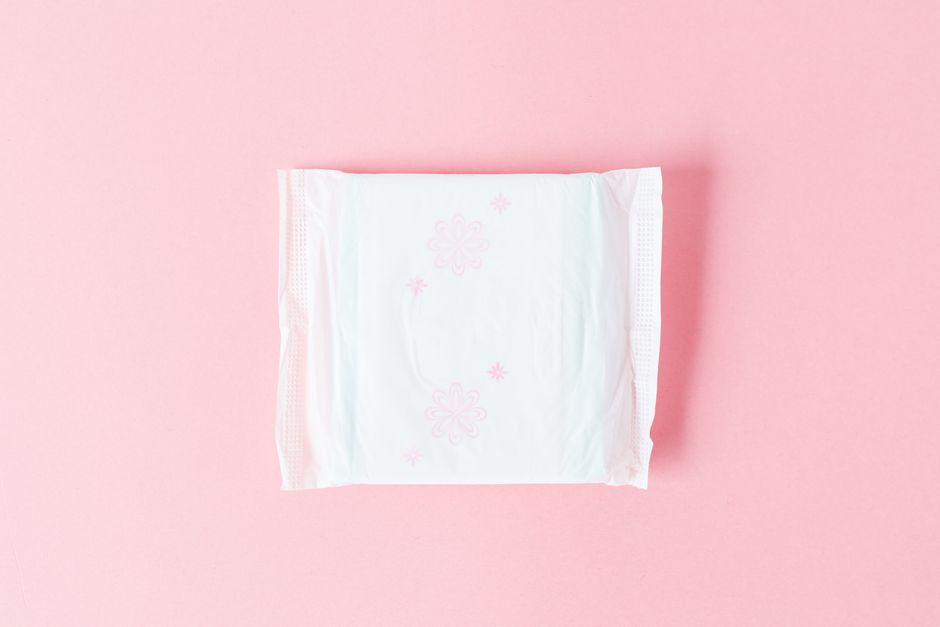
- Use unscented panty liners if discharge is heavy, and change them regularly. Scented liners can irritate sensitive skin.
- Avoid douching. Douching disrupts the natural balance of bacteria and can actually lead to more discharge and infection.
- Skip scented soaps, sprays, and wipes on the genital area. Plain water is enough for external washing.
- Wipe from front to back after using the toilet. This reduces the chance of bacteria from the rectum reaching the vagina.
None of these steps reduce discharge to zero. They reduce discomfort and lower the risk of irritation and infection. That is the realistic goal.
What does not work
Douching is the most common mistake. It is widely marketed as a way to “clean” the vagina, but the vagina cleans itself. Douching can push bacteria upward and has been linked to a higher risk of pelvic inflammatory disease. Some clinicians advise against it entirely.
Over-the-counter “feminine hygiene” products that promise to control odor or discharge have little evidence behind them. Many contain fragrances that can irritate the vulva.
Why Does Discharge Change?
Discharge changes for many reasons. Most of them are harmless. The most common ones relate to hormones, the menstrual cycle, and normal body changes.
Pregnancy often increases discharge. Hormonal birth control can change its amount and texture. Sexual arousal increases clear, slippery fluid. Some women notice more discharge around ovulation and less in the days before their period.
These changes are normal:
- Cycle timing: clear and stretchy around ovulation, thicker after
- Pregnancy: often heavier, usually white or milky
- Hormonal contraception: varies by method and person
- Arousal: clear and slippery, temporary
When discharge changes because of hormones or the cycle, no treatment is needed. The change is the body doing its job.





When Is Discharge a Sign of Infection?
Discharge that changes in color, smell, or texture, especially with itching or irritation, is worth checking. Several common infections cause these symptoms, and most are easily treated.
Signs that point to infection include:
- Yellow, green, or gray discharge
- A strong or fishy odor
- Itching, burning, or swelling of the vulva
- Discharge with a thick, clumpy texture like cottage cheese
- Pain during sex or urination
- Pelvic pain or fever
These symptoms do not tell you which infection you have. Different conditions can look similar. Bacterial vaginosis, yeast infections, and sexually transmitted infections can all cause changes that overlap. That is why a test matters. Treating the wrong cause wastes time and can make things worse.
Bacterial vaginosis is one of the most common causes of abnormal discharge in women of reproductive age. It happens when the balance of bacteria in the vagina shifts. It is not a sexually transmitted infection, but sexual activity can raise the risk. Yeast infections cause intense itching and thick white discharge. Trichomoniasis is a sexually transmitted infection that can cause yellow-green discharge.
If you have any of the signs above, see a clinician. Do not try to self-treat with leftover medication or over-the-counter products without a diagnosis.
Can Lifestyle Changes Reduce Discharge?
Lifestyle changes can reduce the risk of infection-related discharge. They do not reduce normal discharge, and they should not be expected to.
What helps most is protecting the natural balance of the vagina. The vagina is acidic, and that acidity keeps harmful organisms in check. Anything that disrupts it can lead to more discharge.
Habits that support balance:
- Avoid douching and scented products
- Wear breathable cotton underwear
- Change pads, tampons, and liners regularly
- Practice safer sex, including condom use, to reduce the risk of sexually transmitted infections
- Manage blood sugar if you have diabetes, since high blood sugar raises the risk of yeast infections
Diet and probiotic supplements are often promoted as ways to prevent infections. The evidence here is limited and mixed. Some studies suggest certain probiotic strains may help prevent bacterial vaginosis or yeast infections, but results vary and no single product is established as reliably effective. No clinical guidelines currently recommend a specific probiotic for this purpose.
Does Discharge Need Treatment?
Normal discharge needs no treatment. Abnormal discharge needs the right treatment for its cause. The two are not the same, and treating normal discharge as a problem can cause harm.
When a clinician diagnoses an infection, treatment depends on the type. Bacterial vaginosis and yeast infections are usually treated with prescription or over-the-counter antifungal or antibiotic medications. Trichomoniasis needs prescription antibiotics. Sexually transmitted infections may require treatment for partners as well.
Some infections clear on their own, but many do not. Untreated bacterial vaginosis has been linked to a higher risk of pelvic inflammatory disease and pregnancy complications. That is one reason not to ignore symptoms that persist.
No over-the-counter product is proven to stop normal discharge. Products that claim to do so are not backed by clinical evidence. If a product promises to eliminate discharge, treat that claim with skepticism.
What About Discharge After Menopause?
Discharge usually decreases after menopause because estrogen levels drop. Less estrogen means less natural lubrication and thinner vaginal tissue.
Some women notice dryness rather than discharge. Others notice a change in discharge that can be a sign of infection or another condition. Any new discharge after menopause, especially if it is bloody or accompanied by pain, should be checked by a clinician. Bleeding after menopause is never something to ignore.
Frequently Asked Questions
How can I stop vaginal discharge?
You cannot and should not stop normal discharge because it keeps the vagina healthy. If discharge is heavy or bothersome, cotton underwear, panty liners, and avoiding douching can help manage comfort.
What causes too much vaginal discharge?
Hormonal changes, pregnancy, ovulation, and hormonal birth control commonly increase normal discharge. A sudden increase with odor, color change, or itching may point to an infection that needs a clinician’s diagnosis.
When should I see a doctor about discharge?
See a clinician if discharge turns yellow, green, or gray, has a strong odor, or comes with itching, burning, pelvic pain, or fever. These signs suggest infection rather than normal discharge.
Does douching help control discharge?
No. Douching disrupts the vagina’s natural bacterial balance and can raise the risk of infection, so clinicians generally advise against it.
