
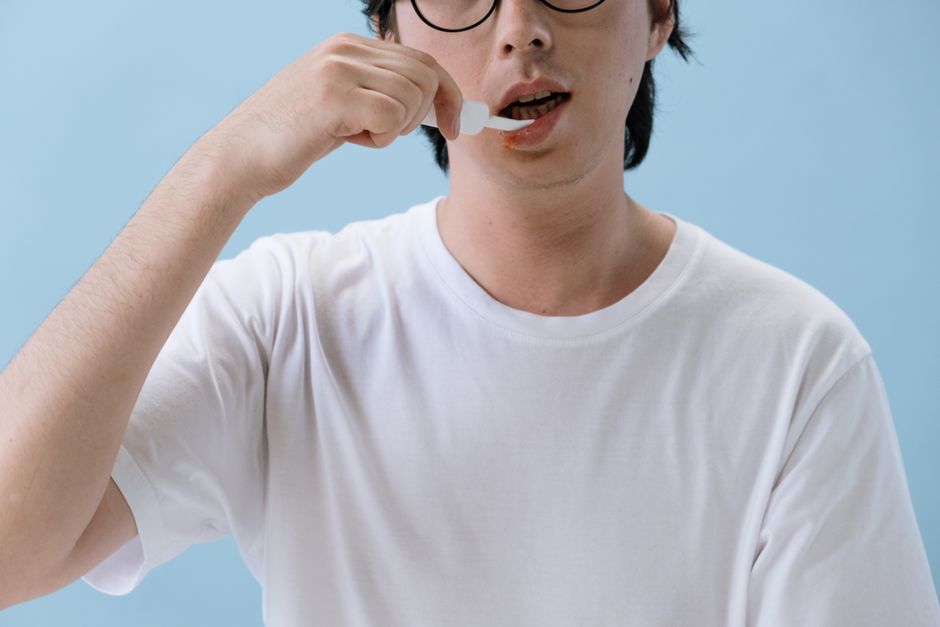
Hemp oil can be taken three main ways: swallowed as a tincture or capsule, applied directly to the skin, or mixed into food and drinks. The best method depends on your goal, since oral, topical, and culinary use each deliver the oil differently. Oral use works systemically, topical use works locally on the skin, and food use is simply a tastier way to consume it orally.
What Is Hemp Oil Exactly?
Hemp oil comes from the seeds of the hemp plant, Cannabis sativa. Seed oil is pressed from the seeds alone, and it contains no significant amounts of cannabinoids like CBD or THC. This is the oil you find in grocery stores for cooking and salads.
There is also hemp extract oil, sometimes called full-spectrum hemp oil. This is made from the flowers and leaves, not just the seeds. It contains cannabinoids, including CBD, and is the product sold in dropper bottles at health food stores. Knowing which one you have matters because they are used differently.
If you bought oil labeled as a dietary supplement, you likely have an extract. If you bought it in the cooking oil aisle, you have seed oil. Read the label carefully before deciding how to use it.
How To Take Hemp Oil Orally
Oral use is the most common way to take hemp extract oil. You place drops under your tongue, hold them there for 60 to 90 seconds, then swallow. This is called sublingual administration. The tissues under the tongue absorb the oil directly into the bloodstream, which is faster than swallowing it.
Holding the oil under the tongue matters. When you swallow it immediately, it goes through the digestive system and liver first. This reduces how much reaches your bloodstream and delays the effect. Sublingual absorption bypasses some of that first-pass metabolism.
Most dropper bottles have measurement marks. A typical starting dose is one full dropper, which is usually about 1 milliliter. Many products contain roughly 15 to 30 milligrams of CBD per milliliter, but this varies widely by brand. Always check the label for the exact concentration.
Capsules and softgels are the other oral option. They are swallowed whole and processed through the digestive system. This takes longer to feel effects, usually 45 to 90 minutes, but the effect may last longer. Capsules also give you a precise, consistent dose every time, which is harder to achieve with a dropper.
There is no standard clinical dose for hemp oil. No official guidelines exist for how much to take for any specific condition. Start low and increase slowly if needed, but discuss this with a healthcare provider first, especially if you take other medications.
How To Use Hemp Oil On Your Skin
Topical hemp oil is applied directly to the skin. This works differently from oral use. When applied topically, the oil does not enter the bloodstream in meaningful amounts. It works locally on the skin and the tissues just beneath it.
Hemp seed oil is naturally rich in fatty acids, including linoleic acid. These fats support the skin barrier and help with moisture retention. For dry skin, eczema patches, or general irritation, plain hemp seed oil applied to the affected area is a reasonable option. Some research suggests it helps with symptoms of atopic dermatitis, though larger trials are still needed.
Hemp extract balms and creams are formulated for localized discomfort. People apply them to sore joints, muscles, or specific skin areas. The evidence for topical CBD reducing pain or inflammation is limited and mixed. Some small studies show benefit, others show no difference from placebo.
If you use a topical product, apply it to clean, dry skin and massage it in gently. Wash your hands afterward unless you are treating your hands. Avoid applying hemp oil to broken skin or open wounds, as this can cause irritation.
Do a patch test first. Apply a small amount to your inner forearm and wait 24 hours to check for redness or itching. Allergic reactions to hemp seed oil are rare but possible.




Can You Add Hemp Oil To Food?
Yes, hemp seed oil works well in food. It has a mild, nutty flavor that pairs nicely with salads, dips, and drizzled dishes. This is the culinary oil sold for cooking purposes.
Do not heat hemp seed oil to high temperatures. It has a low smoke point, meaning it breaks down and can turn bitter when heated. Use it raw or add it after cooking. Drizzle it over roasted vegetables, mix it into salad dressings, or stir it into hummus and pesto.
Hemp extract oil can also be added to food, but there are caveats. Mixing your measured dose into food makes it harder to know how much you actually consumed, especially if the food is shared. The oil may also stick to the container or not mix evenly. For accurate dosing, oral tincture use is more reliable.
Adding hemp extract oil to food also changes how it is absorbed. Like capsules, food-borne hemp oil goes through the digestive system. Effects take longer to appear and are less predictable. Some research suggests taking CBD with high-fat meals increases absorption, but this also makes the effect harder to anticipate.
If you choose to add extract oil to food, use it in single-serving items. A spoonful in a smoothie or a salad dressing you will consume entirely keeps the dose more accurate than mixing it into a dish for multiple people.
Which Method Works Best For Your Goal?
Match the method to the outcome you want. For general wellness or sleep support, sublingual drops are the most common choice. They offer a reasonable balance of speed and control.
For localized skin issues or muscle soreness, topical products make more sense. They target a specific area without affecting your whole body. The evidence is not strong, but the approach is low-risk for most people.
For cooking and nutrition, hemp seed oil is the right product. It provides essential fatty acids and fits naturally into a healthy diet. It does not contain CBD or other cannabinoids, so it will not produce any of the effects associated with hemp extract.
One non-obvious point: many people assume all hemp products produce similar effects. They do not. Hemp seed oil is a food product. Hemp extract oil is a supplement. Using seed oil when you wanted CBD effects will not work, and taking extract oil for nutrition misses the point of both.
Hemp Oil Side Effects And Safety Considerations
Hemp seed oil is generally recognized as safe for eating. It is a food, and most people tolerate it without issues. Digestive upset is possible if you consume large amounts, since it is a fat.
Hemp extract oil has a different safety profile. The World Health Organization has stated that CBD is generally well tolerated, but side effects do occur. The most commonly reported ones include fatigue, diarrhea, and changes in appetite or weight.
Drug interactions are a real concern. CBD affects liver enzymes that process many medications. This can change how your body breaks down certain drugs, potentially making them stronger or weaker than intended. If you take prescription medication, especially for blood pressure, seizures, or blood thinners, talk to your doctor before using hemp extract oil.
The FDA has not approved hemp extract oil as a treatment for any condition. One prescription CBD drug, Epidiolex, is approved for certain seizure disorders, but over-the-counter products are not regulated the same way. No over-the-counter hemp product has been proven to treat, cure, or prevent any disease.
Pregnant and breastfeeding women should avoid hemp extract oil. No adequate safety studies exist for this population. The evidence is genuinely absent, and the potential risks are unknown.
How To Choose A Quality Hemp Oil Product
The hemp product market is poorly regulated. Quality varies dramatically between brands. Look for products that have third-party lab testing. Reputable companies publish certificates of analysis showing what is actually in the bottle.
Check that the label states the amount of CBD per serving. If a product simply says “hemp oil” without specifying cannabinoid content, it may contain very little CBD. Some products are made from hemp seed oil and labeled in a way that confuses buyers into thinking they contain CBD.
Be skeptical of health claims on packaging. A product cannot legally claim to treat or cure a disease if it is not FDA-approved. Products that make such claims are violating regulations and should be treated with caution.
Start with a low dose regardless of the product. Keep a journal of how much you take and how you feel. This helps you find what works for you without guessing.
Frequently Asked Questions
How long does it take for hemp oil to work?
Sublingual drops typically take effect within 15 to 30 minutes. Capsules and food-based consumption take 45 to 90 minutes because the oil must pass through the digestive system first.
Can you put hemp oil on your skin directly?
Yes, you can apply hemp seed oil or hemp extract balms directly to the skin. Topical application works locally and does not enter the bloodstream in significant amounts.
Can you cook with hemp oil?
Hemp seed oil can be used in food but should not be heated to high temperatures. Use it raw in dressings, drizzled over finished dishes, or stirred into dips and spreads.
Is hemp oil the same as CBD oil?
No. Hemp seed oil comes from the seeds and contains no CBD. Hemp extract oil comes from flowers and leaves and does contain cannabinoids. The labels are often used interchangeably, which causes confusion.
