
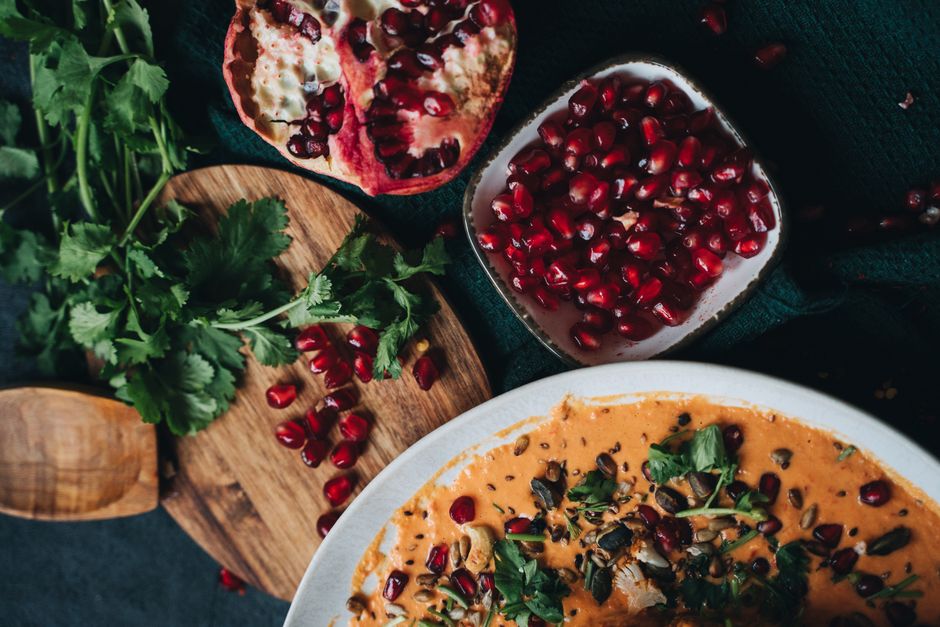
Hummus is a whole food, but with one important caveat. The base ingredients — chickpeas, tahini, olive oil, lemon juice, and garlic — are all minimally processed whole foods. What food scientists look at is the final product on the shelf, where added preservatives, oils, and stabilizers can change that status. The short answer is that homemade hummus is a whole food, while many store-bought versions are technically a processed food.
What Makes a Food “Whole” According to Food Scientists
Food scientists define a whole food as one that has not been significantly altered from its natural state. Think of an apple, a raw almond, or a boiled potato. These foods retain their fiber, vitamins, minerals, and naturally occurring compounds because nothing has been stripped away or added.
Hummus sits in an interesting position. Its main ingredient, the chickpea, is a whole food. Chickpeas are soaked, cooked, and blended — but the cooking process does not remove nutrients. In fact, cooking makes some nutrients more available to your body. The same applies to tahini, which is simply ground sesame seeds.
The problem arises when manufacturers add ingredients to improve shelf life, texture, or flavor. Extra canola oil, sugar, citric acid, potassium sorbate, and modified food starch are common additions. These do not make hummus dangerous, but they do move it away from the whole food category.
One non-obvious point: blending or pureeing food does not make it less whole. The physical breakdown of food is different from chemical processing. A blended chickpea is still a chickpea. What changes the whole food status is what gets added after blending.
Is Hummus A Whole Food What Food Scientists Say About Store-Bought Versions
Food scientists generally agree on this distinction: hummus is a whole food when it contains only whole food ingredients. When you read a label and recognize every ingredient as something you could buy and cook at home, that hummus qualifies as a whole food.
Many commercial hummus brands use a short ingredient list. Chickpeas, water, tahini, olive oil, lemon juice, salt, and garlic. These products are minimally processed. The processing involved — cooking and blending — is similar to what you would do in your own kitchen.
Other brands add stabilizers and preservatives. Guar gum, xanthan gum, and potassium sorbate are common. These ingredients are safe and approved for food use. But they are additives, and their presence means the product is technically a processed food.
The practical takeaway is straightforward. Read the ingredient list. If it looks like a recipe, the hummus is a whole food. If it contains ingredients you would not find in a home kitchen, it is a processed food — though not necessarily an unhealthy one.
Nutritional Profile: What Whole Food Hummus Actually Contains
Whole food hummus provides a solid nutritional package. Chickpeas deliver plant protein and dietary fiber. One half-cup serving of cooked chickpeas contains about 7 grams of protein and 6 grams of fiber. Tahini adds healthy fats, calcium, and iron. Olive oil contributes monounsaturated fats.
This combination matters for how your body processes the food. The fiber in chickpeas slows digestion and helps stabilize blood sugar. The fat from tahini and olive oil helps your body absorb fat-soluble vitamins from other foods you eat alongside the hummus.
Hummus is also naturally low in sugar and contains no cholesterol. It is a plant-based food, which means it contains no animal products unless dairy has been added. Some commercial brands add yogurt or milk powder for a creamier texture, which changes the nutritional profile.
The sodium content deserves attention. Salt is necessary for flavor, but some store-bought hummus brands add more than others. A typical two-tablespoon serving contains 100 to 200 milligrams of sodium. That is not excessive, but it adds up if you eat hummus regularly.




How Processing Affects the Nutritional Value of Hummus
Processing does not automatically destroy nutrients. In the case of chickpeas, cooking is required to make them edible and digestible. Raw chickpeas contain compounds that interfere with nutrient absorption. Cooking neutralizes these compounds.
What processing does affect is the quality of the fats and the presence of additives. Olive oil can be replaced with cheaper oils like soybean or sunflower oil in commercial products. These oils are not harmful, but they have a different fatty acid profile than olive oil.
Heat processing for shelf stability can also reduce vitamin content. Vitamin C and some B vitamins are sensitive to heat. However, chickpeas are not a major source of these vitamins to begin with. The core nutrients — protein, fiber, minerals — remain largely intact through processing.
The more significant concern is added sugar. Some brands add sugar or honey to balance the tanginess of lemon and garlic. This is not a health crisis, but it is an unnecessary addition that moves the product further from its whole food roots.
Practical Ways to Keep Hummus a Whole Food
Making hummus at home is the most reliable way to ensure it is a whole food. The process is simple. Cook dried chickpeas or use canned ones. Blend with tahini, lemon juice, garlic, olive oil, and salt. Adjust to taste.
If you prefer store-bought, check the ingredient list before buying. Look for short lists with recognizable ingredients. Avoid products with added sugars, hydrogenated oils, or a long list of chemical-sounding additives.
One tip food scientists often mention: the order of ingredients matters. Ingredients are listed by weight, from most to least. If oil appears before chickpeas, the product contains more oil than chickpeas. That is a sign of a lower-quality product.
Another consideration is portion size. Whole food status does not mean unlimited consumption. Hummus is calorie-dense because of the tahini and olive oil. A reasonable serving is two to four tablespoons. Eating an entire container in one sitting is not a whole food problem — it is a portion control problem.
Common Myths About Hummus and Whole Food Status
A common myth is that hummus must be eaten fresh to count as a whole food. This is not true. Refrigerated hummus with a short ingredient list is still a whole food. The refrigeration is about food safety, not processing.
Another myth is that canned chickpeas make hummus less whole. Canned chickpeas are cooked chickpeas with water and sometimes salt. They are minimally processed and nutritionally similar to dried chickpeas cooked at home. The can itself does not change the whole food status.
Some people believe that all processed foods are unhealthy. This is an oversimplification. Processing exists on a spectrum. Hummus with additives is still a nutritious snack. It is simply not a whole food in the strictest sense.
The distinction matters for people who track their diet closely. If you are following a whole food eating pattern, you want to know exactly what you are consuming. Knowing how to read a label and identify additives gives you that control.
Frequently Asked Questions
Is hummus considered a processed food?
Technically yes, because the chickpeas are cooked and blended. But hummus made only from whole food ingredients is minimally processed and nutritionally similar to eating the ingredients separately.
What ingredients make hummus no longer a whole food?
Added preservatives like potassium sorbate, stabilizers like guar gum, added sugars, and non-olive vegetable oils. These ingredients are safe but move the product into the processed food category.
Is store-bought hummus as healthy as homemade hummus?
It can be, if the ingredient list is short and recognizable. The nutritional difference between homemade hummus and a store-bought brand with clean ingredients is minimal.
Can I eat hummus every day on a whole food diet?
Yes, as long as the hummus contains only whole food ingredients and you watch portion sizes. Two to four tablespoons per day is a reasonable serving that provides protein, fiber, and healthy fats.
