
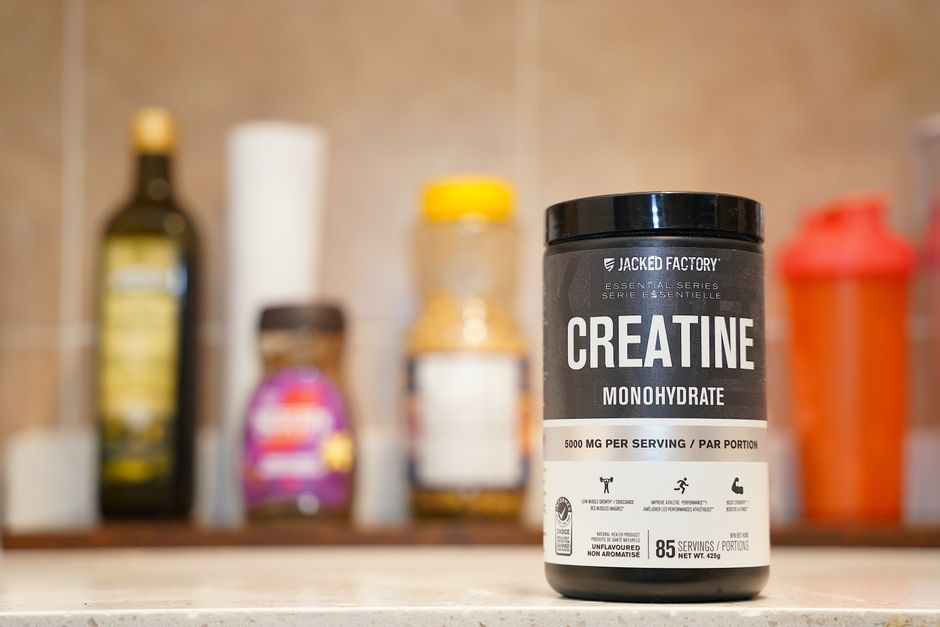
Creatine is one of the most studied supplements in sports nutrition, and the evidence for its effectiveness is strong. The short answer to how to take it is simple: mix it with water or milk and drink it daily. The longer answer involves timing, dosage, and what actually matters for results. This guide breaks down the practical details so you can take creatine correctly without falling for common myths.
Does It Matter Whether You Use Water Or Milk?
For most people, the choice between water and milk comes down to personal preference. Both liquids effectively deliver creatine to your muscles. Research consistently shows that creatine monohydrate dissolves and absorbs well in either fluid.
Milk contains protein and carbohydrates, which can slightly improve insulin response. Insulin helps shuttle nutrients into muscle cells, and some studies suggest this may enhance creatine uptake. However, the difference is small. Taking creatine with water on its own still produces the full muscle saturation effect over time.
One practical consideration is digestion. Some people experience stomach discomfort when mixing creatine with milk, especially on an empty stomach. If you have a sensitive stomach, water is the safer choice. If you tolerate dairy well, milk works fine and adds calories that may be useful if you are trying to gain weight.
What Is The Correct Daily Dose?
The standard recommended dose is 3 to 5 grams per day. This amount is well established in clinical research and is the dose used in most long-term studies. Taking more than this does not provide additional benefit. Your muscles can only store a limited amount of creatine, and excess is excreted in urine.
Some people start with a “loading phase” of 20 grams per day for 5 to 7 days. This saturates muscles faster, typically within a week rather than three to four weeks. Loading is optional. The final muscle creatine levels are the same whether you load or simply take 3 to 5 grams daily. The only difference is how quickly you reach saturation.
If you choose to load, split the 20 grams into four doses of 5 grams spread throughout the day. Taking 20 grams at once can cause stomach cramps and diarrhea. There is no evidence that loading is necessary, and skipping it is perfectly effective for long-term results.
When Should You Take Creatine?
Timing matters less than consistency. Studies have examined whether taking creatine before or after exercise makes a difference. The evidence is mixed, but any difference is small. What matters most is that you take it every day, regardless of whether you train that day.
Some research suggests that taking creatine after a workout, alongside a meal containing carbohydrates and protein, may produce slightly better uptake. This is likely due to the insulin response from food. However, creatine taken at any other time of day still accumulates in muscle effectively over time.
The best time to take creatine is the time you will actually remember. If you struggle with daily habits, pair it with a meal you never skip, such as breakfast or dinner. Consistency over months produces full muscle saturation. Perfect timing produces no measurable advantage for most people.




How To Mix Creatine Properly
Creatine monohydrate does not fully dissolve in cold liquid. It settles at the bottom of a glass if left standing. This is normal and does not mean the product is poor quality. Stir it thoroughly or use a shaker bottle, and drink it promptly before it settles.
Warm liquids dissolve creatine more completely, but heat does not damage it. You can mix creatine into warm tea, coffee, or even oatmeal without reducing its effectiveness. The compound is stable at normal cooking and beverage temperatures.
Do not mix creatine into carbonated drinks like soda. The carbonation can cause the powder to foam excessively, and the high sugar content adds unnecessary calories. Plain water, milk, or a post-workout shake are all reasonable options.
Do You Need To Cycle Creatine Or Take Days Off?
No. Cycling is not necessary. Creatine is not a drug that requires a break. It is a compound naturally found in meat and fish, and your body produces it in small amounts. Taking it continuously at 3 to 5 grams per day is safe for long periods.
Research studies have used creatine continuously for years without reporting adverse effects. There is no evidence that your body becomes tolerant or that you need a “reset” period. If you stop taking it, muscle creatine levels gradually return to baseline over several weeks. Any strength gains that depended on extra creatine will slowly diminish, but gains from training itself remain.
The idea that creatine damages kidneys or requires cycling is a myth that persists online. Healthy individuals taking standard doses show no kidney problems in clinical studies. If you have pre-existing kidney disease, consult your doctor before taking creatine. For healthy people, daily use is well tolerated.
What Happens If You Skip A Day?
Missing one day has no meaningful effect. Muscle creatine levels stay elevated for weeks after you stop supplementing. A single missed dose will not reduce your stores or affect your performance.
The real risk is inconsistent use over a long period. Taking creatine sporadically, such as only on training days, means your muscles may never reach full saturation. Full saturation requires steady daily intake. If you miss a day, simply resume your normal dose the next day. Do not double up to “catch up.” Doubling the dose increases the risk of stomach discomfort without speeding up saturation.
Does Milk Interfere With Creatine Absorption?
No. Milk does not interfere with creatine absorption. Some online sources claim that milk protein slows digestion and reduces creatine uptake. This is not supported by evidence. Creatine is absorbed through the intestines regardless of what you mix it with.
In fact, the carbohydrates in milk may slightly enhance creatine retention. Lactose, the natural sugar in milk, triggers an insulin response that supports nutrient uptake into muscle cells. This effect is modest, but it is not a reason to avoid milk.
The only real downside of milk is caloric content. A glass of whole milk adds about 150 calories. If you are tracking calories strictly, water is a calorie-free option. If you are trying to gain muscle mass, the extra calories from milk can be helpful.
What Form Of Creatine Should You Buy?
Choose creatine monohydrate. It is the most studied form and the only form with consistent evidence of effectiveness across dozens of clinical trials. It is also the cheapest form per serving.
Alternative forms such as creatine hydrochloride, creatine ethyl ester, and buffered creatine are marketed as better absorbed or causing less bloating. No clinical evidence confirms these claims. Studies comparing alternative forms to monohydrate find no meaningful difference in muscle creatine levels or performance outcomes.
Look for a product labeled “micronized creatine monohydrate” if you find the powder hard to mix. Micronization grinds the particles smaller, which helps them suspend in liquid more easily. It is the same compound with the same effects.
Who Should Avoid Creatine?
Most healthy adults can take creatine safely. The main exception is people with pre-existing kidney disease or those taking medications that affect kidney function. Creatine increases creatinine levels in the blood, which is a marker doctors use to assess kidney health. High creatinine from creatine use is not harmful, but it can confuse medical tests.
Pregnant and breastfeeding women should avoid creatine because no safety studies exist for this population. No clinical guidelines currently exist for creatine use during pregnancy or lactation. If you fall into this category, wait until after you finish breastfeeding before supplementing.
Teenagers should consult a doctor or pediatrician before using creatine. Some research has examined creatine use in adolescent athletes, but long-term safety data in growing individuals is limited. A healthcare provider can help determine whether supplementation is appropriate.
Frequently Asked Questions
Can I take creatine with milk every day?
Yes, taking creatine with milk daily is safe and effective. The protein and carbohydrates in milk do not interfere with creatine absorption.
Is it better to take creatine with water or milk?
Neither is clearly better for results. Water is calorie-free and easier on digestion, while milk adds protein and calories that may support muscle gain.
How long does creatine take to work?
With a loading phase, effects appear within one week. Without loading, full muscle saturation takes three to four weeks of daily 3 to 5 gram doses.
Can I mix creatine into hot coffee or tea?
Yes, heat does not damage creatine. Mixing it into warm beverages is an effective way to take your daily dose.
