
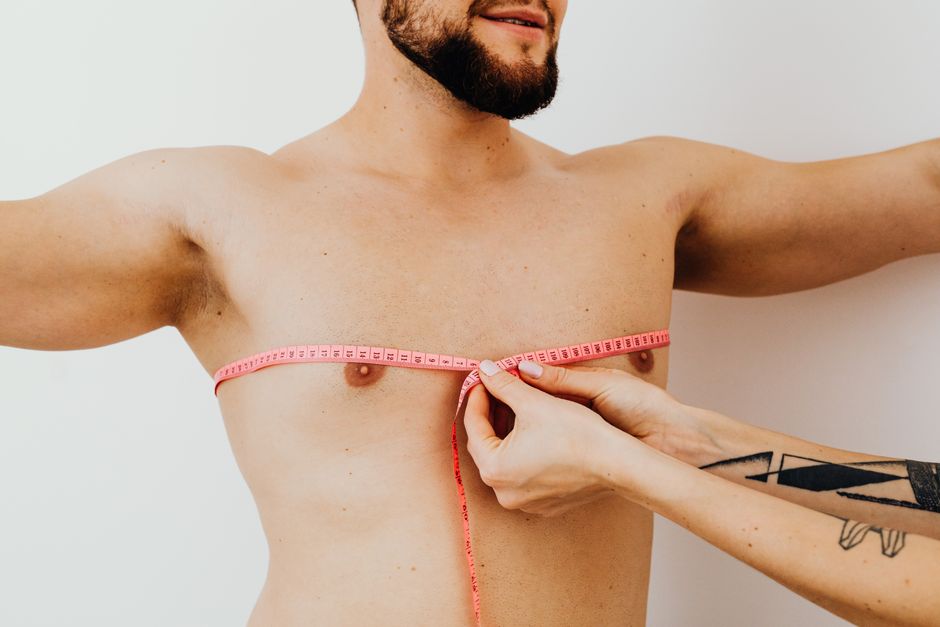
To track fitness progress with body measurements, use a flexible tape measure against bare skin, keep the tape snug but not compressing, and measure at the same landmarks every time. A flexible tape measure gives you numbers a scale cannot: where fat is leaving and where muscle is building. Measure at consistent times, usually first thing in the morning before eating or drinking, and write the numbers down every time. Progress shows up as a trend over weeks, not a single reading.
Why Do Body Measurements Beat the Scale?
The scale measures one thing: total body weight. That number includes muscle, fat, bone, water, and the contents of your digestive tract. It cannot tell you which of those changed.
This matters most when you start strength training. Muscle is denser than fat, so a pound of muscle takes up less space than a pound of fat. It is entirely normal to lose fat and gain muscle at the same time while the scale barely moves. Your waist can shrink while your weight stays flat. Without a tape measure, that progress is invisible.
Body measurements also capture fat distribution, which carries real health meaning. Research consistently shows that fat stored around the abdomen is more strongly linked to metabolic and cardiovascular risk than fat stored on the hips and thighs. A waist measurement tracks that risk in a way a scale never will.
One clarification worth knowing: measurements are not a body fat percentage test. They track change over time in specific areas. If you want an actual body fat estimate, methods like DEXA scans or hydrostatic weighing are the established standards, though they are not practical for weekly tracking.
What Do You Need to Take Body Measurements?
The equipment list is short. A flexible, non-stretch tape measure is the only real requirement. Cloth tapes sold for sewing work well. Retractable body tape measures with a locking mechanism make solo measuring easier.
Skip the metal carpenter’s tape. It does not bend around a limb, and it will give you bad numbers.
Beyond the tape, you need two things that cost nothing:
- A consistent time of day, ideally morning before food or drink
- A way to record numbers, whether a notebook, spreadsheet, or phone app
Wear as little as possible, or the same thin clothing each time. A thick sweatshirt can add inches to a waist reading. Measuring over bare skin removes that variable entirely.
How To Take Body Measurements To Track Fitness Progress at Each Site
Consistency matters more than perfection. The same landmark, the same tape tension, and the same posture every time will give you usable data. Here is how to measure each site.
Waist
Stand tall and exhale normally. Do not suck in. Find the narrowest point of your torso, usually just above the belly button, and wrap the tape around it. Keep the tape parallel to the floor all the way around. Some people have a clear narrowest point; others do not. If yours is unclear, use the top of your hip bones as a fixed landmark instead and stay with it every time. The CDC and other health organizations commonly use the top of the hip bone for waist measurement in clinical settings, so either landmark works as long as you never switch.
Hips
Stand with feet together. Wrap the tape around the fullest part of your buttocks. Keep it level. This is usually wider than the waist, and the waist-to-hip ratio is a number some clinicians use to assess fat distribution.
Chest
Wrap the tape around the fullest part of your chest, usually across the nipples. Keep your arms down at your sides. Breathe normally and take the reading at the end of a normal exhale, not a forced one. For women, a sports bra gives a more repeatable landmark than a regular bra, which can shift.
Upper Arm
Let the arm hang relaxed at your side. Measure the midpoint between the top of your shoulder and your elbow. Measure the same arm every time. If you are tracking strength training progress, some people also measure the flexed arm, but pick one method and stay with it.
Thigh
Stand with weight evenly distributed. Measure the midpoint between your hip crease and the top of your kneecap. Measure the same leg each time.
Calf
Measure the fullest part of the calf, usually a few inches below the knee. Keep the tape level and the leg relaxed, not flexed.



What Common Measuring Mistakes Throw Off Your Numbers?
Most bad data comes from small inconsistencies, not from the tape itself.
- Pulling the tape too tight. The tape should sit flush against the skin without denting it. Compressing soft tissue can shave off real inches and make progress look better than it is.
- Letting the tape sag or tilt. A tape that drifts off level adds length to the reading. Check in a mirror if you can.
- Measuring at different times of day. Waist measurements can shift after meals, and hydration status affects readings. Morning, before eating, is the most repeatable window.
- Measuring over different clothing. Same clothing or no clothing, every time.
- Switching landmarks. If you measured at the belly button last month, measure there this month.
One more: do not measure right after a workout. Blood flow to working muscles and temporary swelling can inflate arm and thigh readings for a while.
How Often Should You Measure, and What Counts as Progress?
Every two to four weeks is the practical sweet spot for most people. Weekly is fine if you like the data, but daily measurements will drive you crazy. Normal fluctuations in water, food, and hormones can move a waist reading by small amounts from one day to the next.
Look at the direction of the trend across several measurements, not any single number. A waist that drops a half inch over six weeks is real progress. A waist that bounces up and down by a quarter inch week to week is noise.
Context matters for interpretation. If your waist is shrinking and your arm is growing, that is a classic recomposition pattern: fat loss plus muscle gain. If everything is shrinking, you are likely losing overall mass. If your waist is growing while you train hard, look at your eating and recovery before assuming anything is wrong.
Track measurements alongside other markers. How your clothes fit, how strong you feel, and your energy during workouts all tell part of the story. The tape is one tool, not the whole picture.
When Should You Talk to a Doctor About Your Measurements?
Waist circumference is used clinically as a screening tool, not a diagnosis. A larger waist is associated with higher risk of type 2 diabetes and cardiovascular disease, but it is one factor among many, including blood pressure, blood sugar, cholesterol, and family history.
If your waist is increasing steadily and you are not sure why, that is worth a conversation with a clinician. The same goes if you are losing weight or inches without trying. Unintended changes in body size can have medical causes that deserve evaluation.
For most people tracking fitness, measurements are simply feedback. They tell you whether your training and eating are moving you toward your goal. They are not a verdict on your health on their own.
Frequently Asked Questions
Should I measure my waist at the belly button or the narrowest point?
Either works as long as you use the same spot every time. Clinical guidelines often use the top of the hip bone, so if you want a number you can compare to health thresholds, that landmark is the safer choice.
How tight should the tape measure be?
Snug against the skin without pressing in or leaving a mark. If the tape dents your skin, you are compressing tissue and the reading will be too low.
Can I take body measurements at night instead of in the morning?
Yes, as long as you always measure at the same time. Morning before eating tends to be the most consistent because food, drink, and activity have not yet changed your readings.
How long before I see changes in my measurements?
Many people see meaningful changes over four to eight weeks of consistent training and nutrition. The timeline varies widely based on your starting point, your program, and how closely you follow it.
