
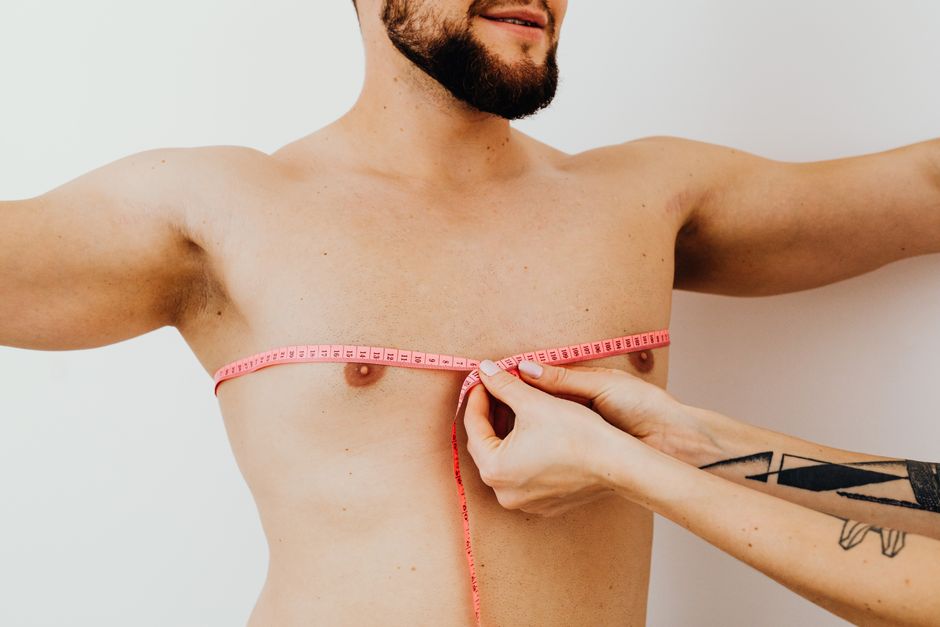
Measuring a man’s body serves two very different purposes: buying clothes that fit and tracking health. For clothing, you need a flexible tape measure and four key numbers. For health, you need a scale, a tape measure, and a clear understanding of what the numbers actually mean. This guide walks through both processes step by step, so you get accurate results every time.
How To Measure A Male Body Clothing Fitness Health: The Essential Numbers
Start with the four measurements that determine most clothing sizes: chest, waist, hips, and inseam. You also need neck and sleeve length for dress shirts and suits. These numbers translate directly to the sizes you see on tags.
For health tracking, the critical measurements are waist circumference, weight, and body mass index (BMI). Waist circumference matters most because it estimates abdominal fat, which is linked to higher risks of heart disease and type 2 diabetes.
Take all measurements in the morning before eating for the most consistent results. Your body changes throughout the day, so measuring at the same time keeps your numbers comparable.
What Tools Do You Need For Accurate Body Measurements?
A flexible cloth tape measure is the only essential tool. The fiberglass or fabric type used for sewing works best because it bends around the body. Metal tape measures used for construction do not work for body measurements.
For health tracking, you also need a reliable bathroom scale. Digital scales are generally more accurate than analog ones. Weigh yourself at the same time each day, preferably in the morning after using the bathroom and before eating or drinking.
A mirror helps ensure the tape sits level, especially for chest and hip measurements. If you measure yourself rather than having someone help, the mirror prevents the tape from slipping at an angle.
How To Measure Your Chest, Waist, And Hips For Clothing
Stand naturally with your arms relaxed at your sides. Do not puff out your chest or suck in your stomach. The goal is a relaxed, true measurement.
For the chest, wrap the tape around the fullest part of your chest, typically at nipple level. The tape should be snug but not tight enough to compress the skin. Keep it parallel to the floor. Breathe normally and record the number at the end of a normal exhale.
For the waist, the measurement location depends on the purpose. For clothing sizes, measure at the narrowest point of your torso, usually just above the belly button. For health tracking, measure at the top of the hip bone, which is the standard clinical location. These two numbers can differ by an inch or more.
For the hips, wrap the tape around the fullest part of your buttocks. This measurement matters for pants and fitted clothing. Keep your feet together and the tape parallel to the floor.




How To Measure Inseam, Neck, And Sleeve Length
The inseam is the distance from the crotch seam to the bottom of the pant leg. For accurate measurement, use a pair of pants that already fits you well. Lay them flat, measure from the crotch seam to the hem, and double-check against a second pair you like.
Measuring your own inseam directly on your body is difficult. If you attempt it, stand with your feet shoulder-width apart and measure from the crotch to the floor along the inside of your leg. This method is less accurate than measuring existing pants.
For the neck, wrap the tape around the base of your neck where the collar sits. Keep one finger between the tape and your neck to allow room for comfort. Dress shirt sizes typically use this measurement in half-inch increments, such as 15.5 or 16.
For sleeve length, start at the center of the back of your neck, go across the shoulder, and down the arm to the wrist bone. Bend your arm slightly at the elbow during this measurement. This method works best with help from another person.
How To Measure Waist Circumference For Health Assessment
Waist circumference is a direct health indicator, not just a clothing size. The measurement estimates abdominal fat, which behaves differently from fat stored elsewhere in the body. Abdominal fat is metabolically active and linked to cardiovascular risk.
To measure it correctly, find the top of your hip bone with your fingers. Wrap the tape around your bare abdomen at this level. The tape should be snug but not compress the skin. Take the measurement at the end of a normal exhale.
For men, a waist circumference below 37 inches is generally considered lower risk. Measurements of 37 to 40 inches indicate increased risk. Measurements above 40 inches indicate substantially increased risk for heart disease and type 2 diabetes.
These thresholds come from established clinical guidelines and are consistent across major health organizations. Waist circumference combined with BMI gives a more complete health picture than either measurement alone.
How To Calculate And Interpret BMI Correctly
BMI, or body mass index, is a calculation using your weight and height. The formula is weight in kilograms divided by height in meters squared. For practical purposes, many online calculators and health apps do this automatically.
For men, a BMI under 18.5 is underweight. A BMI of 18.5 to 24.9 is normal weight. A BMI of 25 to 29.9 is overweight. A BMI of 30 or higher is obese. These categories come from World Health Organization classifications.
BMI has known limitations. It does not distinguish between muscle and fat. A muscular man can have a BMI in the overweight range with very low body fat. For this reason, BMI works best as a screening tool, not a definitive diagnosis.
Waist circumference fills this gap. Someone with a high BMI but normal waist circumference likely carries more muscle. Someone with a normal BMI but high waist circumference still carries excess abdominal fat. Use both numbers together for the most accurate health assessment.
How Often Should You Take These Measurements?
For clothing, measure once and keep the numbers recorded. Your size changes slowly over time. Re-measure when you notice clothes feeling different or when you change your fitness routine significantly.
For health tracking, weekly measurements work well. Daily measurements show normal water weight fluctuations that can be discouraging. Weekly measurements at the same time and under the same conditions give you a reliable trend.
Track both waist circumference and weight. Weight alone can stay stable while waist circumference changes. This happens when you lose fat and gain muscle at similar rates. The tape measure catches these changes that the scale misses.
Record your measurements in a notebook or a phone app. Seeing the trend over months matters more than any single reading. A slow downward trend in waist circumference indicates real progress even if the scale barely moves.
Common Mistakes That Ruin Measurement Accuracy
Measuring over clothing is the most common error. Clothing adds thickness and distorts the tape position. Measure directly against the skin for waist and chest measurements.
Holding the tape too tight or too loose both produce inaccurate numbers. The tape should contact the skin fully without leaving an indentation. If you can slide more than two fingers under the tape, it is too loose.
Measuring at the wrong location happens frequently. The waist for health purposes is at the hip bone, not at the belly button and not at the narrowest point. These locations can differ by several inches, producing very different risk classifications.
Measuring after a meal or late in the day inflates waist and weight numbers. Morning measurements before eating give the most consistent baseline for health tracking.
How To Use Your Measurements For Fitness Progress Tracking
Your measurements create a baseline. From that baseline, you can track whether your fitness program is working. The scale shows total weight change. The tape measure shows where that change happens.
A successful fat loss program typically shows waist circumference decreasing while weight may stay similar or decrease slowly. A successful muscle building program shows weight increasing while waist circumference stays stable or decreases.
Take progress photos alongside your measurements. Photos capture changes in muscle definition and posture that numbers miss. Take front, side, and back photos in consistent lighting and clothing every four weeks.
Strength gains in the gym do not always translate to immediate measurement changes. Muscle takes time to build visibly. Give any fitness program at least eight to twelve weeks before judging results based on measurements.
When To Seek Professional Guidance
A waist circumference above 40 inches or a BMI above 30 warrants a conversation with your healthcare provider. These numbers indicate elevated risk that deserves professional attention and possibly medical testing.
Your provider can measure blood pressure, blood sugar, and cholesterol to assess your complete metabolic health. These measurements together give a much fuller picture than any single body measurement.
Some clinicians also use body fat percentage measurements for more detailed assessment. Methods include skinfold calipers, bioelectrical impedance scales, and DEXA scans. These tools add information but are not necessary for basic health screening.
No single measurement tells the whole story. The combination of waist circumference, BMI, blood pressure, and blood work provides the most complete health assessment. Your measurements at home are the starting point for these conversations.
Frequently Asked Questions
What is the correct way to measure waist for health purposes?
Wrap the tape around your bare abdomen at the top of your hip bone, snug but not tight, and measure at the end of a normal exhale. This location differs from where you measure for clothing sizes.
How often should a man measure his waist circumference?
Weekly measurements at the same time of day give you a reliable trend without the frustration of daily water weight fluctuations. Morning measurements before eating are most consistent.
What waist measurement indicates health risk for men?
Measurements above 40 inches indicate substantially increased risk for heart disease and type 2 diabetes. Measurements of 37 to 40 inches indicate increased risk.
Why is my BMI high but my waist circumference normal?
This pattern typically indicates higher muscle mass, since BMI does not distinguish muscle from fat. Waist circumference provides a more accurate picture of abdominal fat risk in this situation.
