

Taking a pregnancy test at home is straightforward, but doing it correctly matters. The most accurate way is to test after your missed period, first thing in the morning, and follow the package instructions to the letter. Read the result within the time window stated in the instructions—usually 3 to 5 minutes—because reading it too early or too late can give you a false result.
How Do Home Pregnancy Tests Work?
Home pregnancy tests detect a hormone called human chorionic gonadotropin (hCG). Your body only makes this hormone after a fertilized egg attaches to the lining of the uterus. That attachment, called implantation, usually happens about 6 to 10 days after ovulation.
Once implantation occurs, hCG levels rise quickly. They typically double every 48 to 72 hours in early pregnancy. The test strip contains antibodies that bind to hCG. When the hormone is present in your urine, it triggers a chemical reaction that produces a visible line, symbol, or digital readout.
Different tests have different sensitivity levels. Some can detect hCG at 10 mIU/mL, while others need 25 mIU/mL or more. A more sensitive test can detect pregnancy a day or two earlier, but no test is reliable before implantation has even occurred.
When Is the Best Time To Take a Pregnancy Test?
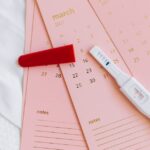
The best time to take a home pregnancy test is on the first day of your missed period or after. Testing before your missed period risks a false negative because hCG levels may still be too low to detect.
For the most reliable result, wait until one week after your missed period. At that point, hCG levels are usually high enough for any test to detect them. Testing earlier than this increases the chance of getting a negative result even if you are pregnant.
Your urine is most concentrated when you first wake up. Morning urine contains the highest levels of hCG, which reduces the risk of a false negative. If you must test later in the day, try to hold your urine for at least four hours beforehand and avoid drinking large amounts of fluid, which can dilute the sample.
How To Take A Pregnancy Test And Read Results
Start by checking the expiration date on the box. An expired test can give inaccurate results. Read the entire package insert before you begin, because instructions vary slightly between brands.
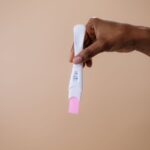
Wash your hands with soap and water. Collect your urine in a clean cup if your test requires dipping the strip. If the test is a midstream test, hold the absorbent tip in your urine stream for the time specified in the instructions—usually about 5 seconds. If it is a cassette test, use the dropper to place the exact number of drops specified into the sample well.
Lay the test flat on a dry surface. Set a timer for the time specified in the instructions, typically 3 to 5 minutes. Do not check the result before this time is up, and do not wait much longer than the maximum time stated.
Reading the result depends on the type of test you used:
- Strip tests: Two lines means pregnant, even if one line is faint. One line means not pregnant. A line in the control area only confirms the test worked.
- Digital tests: The screen displays the words “Pregnant” or “Not Pregnant.” These remove any guesswork about reading lines.
- Cassette or midstream tests: A plus sign means pregnant. A minus sign means not pregnant. Some show two lines, others show a color change.
A faint line is still a positive result. The line’s darkness depends on your hCG level, which varies by how far along you are and how concentrated your urine is. A faint positive is still a positive.



What Can Cause a False Positive or False Negative?
False positives are rare when the test is used correctly. They can happen if you are taking fertility medications that contain hCG, such as some treatments used during IVF. They can also occur if you recently gave birth or had a miscarriage, because hCG can remain in your body for several weeks afterward.
A rare condition called a chemical pregnancy—where a fertilized egg implants but stops developing—can produce a positive test followed by a negative one. This is not a false positive; the test detected real hCG, but the pregnancy did not continue.
False negatives are far more common. They usually happen because you tested too early. If you test before implantation has occurred or before hCG rises above the test’s detection threshold, you will get a negative result even if you are pregnant.
Diluted urine can also cause a false negative. Drinking large amounts of water before testing dilutes your urine and can lower hCG concentration below the test’s detection limit. Testing in the afternoon after drinking fluids throughout the day increases this risk.
Some medical conditions involving the pituitary gland can produce small amounts of hCG, but these are rare and usually produce levels too low to trigger a positive home test.
What Should You Do After Getting a Positive Result?
A positive home pregnancy test is highly accurate when performed correctly. The test detects hCG, and hCG is only produced during pregnancy or under specific medical circumstances.
Contact a healthcare provider to confirm the pregnancy and discuss next steps. They may order a blood test, which can detect hCG earlier and measure exact levels, or they may schedule an ultrasound to confirm the pregnancy and estimate a due date.
Schedule your first prenatal appointment even if you have no symptoms. Early prenatal care is associated with better outcomes for both mother and baby. If you take prescription medications or have a chronic health condition, discuss these with your provider as soon as possible.
Begin taking a prenatal vitamin with folic acid if you have not already. Folic acid helps prevent neural tube defects, which develop in the first weeks of pregnancy—often before you know you are pregnant.
A positive test followed by bleeding, severe cramping, or a negative test a few days later warrants a call to your healthcare provider. These can be signs of a chemical pregnancy or an ectopic pregnancy, which requires medical attention.
What Should You Do After Getting a Negative Result?
A negative result means the test did not detect hCG in your urine at the time you tested. It does not always mean you are not pregnant.
If your period does not start within a few days, test again. Wait 48 to 72 hours between tests to give hCG levels time to rise if you are pregnant. Testing again with morning urine gives you the best chance of an accurate result.
If you have irregular periods, it can be harder to know when to test. If you are tracking ovulation through basal body temperature or ovulation predictor kits, test about 14 days after suspected ovulation. If you are not tracking, wait at least 21 days after unprotected sex before testing.
If you continue to get negative results but your period does not come, or if you have other symptoms like nausea, breast tenderness, or fatigue, see a healthcare provider. They can perform a blood test, which is more sensitive than a urine test.
Can Medications or Medical Conditions Affect Test Results?
Most common medications do not interfere with home pregnancy tests. Pain relievers, antibiotics, birth control pills, and hormone replacement therapy do not affect hCG detection.
Only medications that contain hCG can cause a false positive. These include some fertility treatments, particularly those used in assisted reproduction. If you are undergoing fertility treatment, your doctor will advise you on when to test.
Medical conditions that affect hCG production are rare. Some tumors can produce hCG, but these are uncommon. Kidney disease or urinary tract infections generally do not affect test accuracy, though very dilute urine from any cause can make detection harder.
How Accurate Are Home Pregnancy Tests?
Home pregnancy tests are about 99% accurate when used exactly as directed. This accuracy applies when you test after your missed period and read the result within the specified time window.
Accuracy drops when you test early. Testing before your missed period can produce false negatives in up to half of pregnancies, depending on the test’s sensitivity and the timing of implantation. This is not a flaw in the test; it simply means hCG levels have not yet reached a detectable threshold.
User error is the most common cause of inaccurate results. Common mistakes include testing too early, reading results after the time window has passed, using an expired test, or not following the specific instructions for that brand. Evaporation lines—faint lines that appear after the test has dried—can be mistaken for positive results if you read the test too late.
Frequently Asked Questions
Can I take a pregnancy test at night?
Yes, but your urine will be more diluted than in the morning, which increases the risk of a false negative. If you test at night, hold your urine for at least four hours and limit fluids beforehand.
How long should I wait to read a pregnancy test?
Read the test within the time window stated in the instructions, typically 3 to 5 minutes. Reading too early may show no result, and reading too late may show an evaporation line that looks like a faint positive.
Can a faint line mean I am pregnant?
Yes, a faint line is a positive result. The test detects hCG, and any visible line—even a faint one—means hCG is present in your urine.
How soon after a missed period should I test?
Test on the first day of your missed period or later. Waiting one week after your missed period gives the most reliable result because hCG levels will be higher.
