
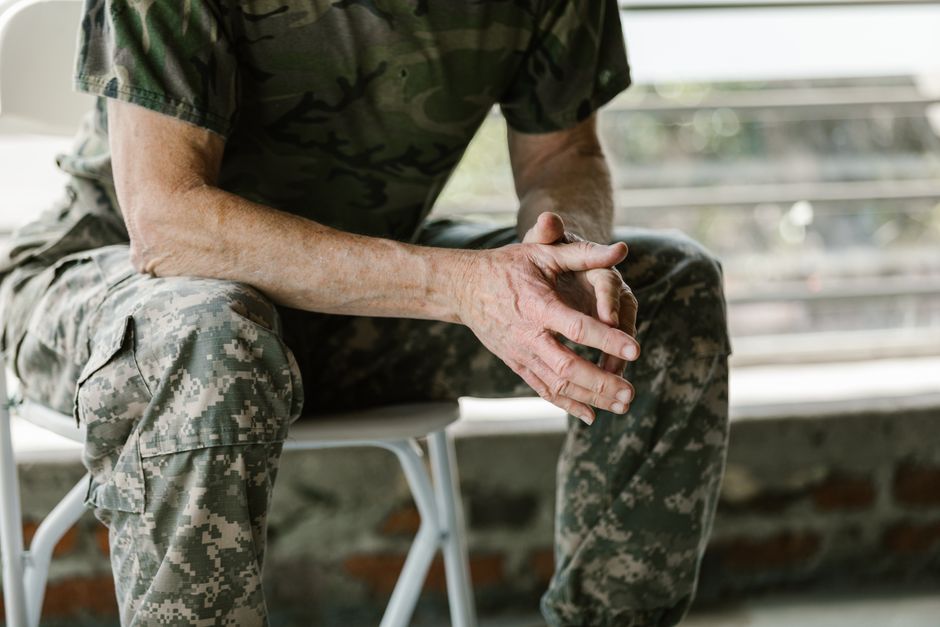
Starting Army boot camp is stressful for almost everyone. Adding anxiety into that mix can feel overwhelming. But you can survive boot camp with anxiety by preparing mentally and physically before you arrive. The steps below focus on practical strategies you can start using today.
How to Survive Army Boot Camp with Anxiety: Preparing Before You Leave
Preparation reduces the unknown. And the unknown is a major trigger for anxiety. You do not need to know every detail about boot camp to feel more in control. You just need a solid foundation.
Start by getting your body used to a routine. Wake up early. Go to bed early. Your body will face this schedule regardless, so adjusting now makes the transition less jarring. Physical fitness also matters. You do not need to be a star athlete, but being able to run a mile and do basic push-ups and sit-ups will lower your stress about physical training.
Learn the basics of military life before you go. Know how to address a drill sergeant. Practice making your bed with tight corners. Memorize the general orders or the Soldier’s Creed if you can. This is not about being perfect. It is about reducing the number of new things you have to process at once.
Talk to your recruiter about what to expect. Ask specific questions about the first week. Knowing the schedule for processing day, for example, can help you feel less anxious about the unknown. Many people find that the anticipation is worse than the actual event.
What Happens in the First Week of Basic Training
The first week is often called “reception” or “processing week.” It is a blur of medical checks, haircuts, uniforms, and paperwork. It is also when many people feel the most anxious because everything is unfamiliar.
You will be yelled at. This is a deliberate part of training. It is not personal. Drill sergeants use a loud, direct style to build discipline and teach you to respond under pressure. Remind yourself that the yelling is a method, not a judgment of you as a person.
You will lose most of your personal freedom. Your phone will be taken away. Your schedule will be controlled. Your movements will be restricted. This loss of autonomy can feel deeply unsettling, especially for someone with anxiety. It helps to remember that this is temporary and structured. The system is designed to move you through it.
Do not try to stand out in the first week. Follow instructions exactly. Do what you are told when you are told. This is not the time to ask questions or question orders. Just move with the group and do the next right thing.
Simple Coping Strategies to Use During Training
You will not have access to your usual coping tools. No phone. No comfort food. No alone time. You need strategies that work in a barracks full of people.
Controlled breathing is one of the most effective tools. When you feel your heart racing or your chest tightening, focus on your breath. Inhale for four counts, hold for four counts, exhale for four counts. Repeat this several times. This activates your parasympathetic nervous system, which helps calm your body’s stress response.
Grounding techniques can also help. When anxiety pulls your mind into the future or into worry, bring it back to the present. Notice five things you can see. Four things you can touch. Three things you can hear. This simple exercise interrupts the anxiety spiral.
Use the structure of the day to your advantage. Boot camp is highly scheduled. Every hour has a purpose. Instead of fighting the structure, lean into it. The structure can be a relief because you do not have to make decisions. You just have to follow the plan.
Focus on the next task, not the whole nine weeks. The entire training period feels impossible to manage. The next hour does not. Break the day into small chunks. Get through breakfast. Get through the next formation. Get through the next drill. This reduces the feeling of being overwhelmed.
-
 How to Prevent Separation Anxiety in a Puppy? Steps You Can Start Today
 -
Can You Join the Army with Anxiety? Here’s What to Know
-
Will the Army Make My Anxiety Worse? What You Need to Know
-
What Color Noise is Best for Anxiety? The Real Answer
-
Memory Wave Review 2026: Legit Brainwave Program or Overhyped Scam?





What to Do When Panic Hits in the Moment
Panic can happen even with the best preparation. It is a sudden surge of intense fear that feels physical. Your heart pounds. You cannot catch your breath. You feel like something terrible is about to happen.
The first thing to know is that a panic attack will not hurt you. It feels awful, but it is not dangerous. It usually peaks within a few minutes and then begins to fade. Remind yourself of this in the moment.
Do not try to fight the panic. Fighting it makes it worse. Instead, let it pass through you. Keep your feet on the ground. Keep your hands relaxed. Focus on your breathing and let the wave pass.
If you are in a formation and feel panic rising, you may not be able to step out. This is where your preparation matters. Use your breathing technique silently. Count your breaths. Focus on the back of the person’s head in front of you. Do whatever you need to do internally to ride out the wave.
If the panic becomes unmanageable and you feel you cannot continue, you can request to speak with a medic. This is not a sign of weakness. It is a sign of self-awareness. The military has medical staff available for a reason.
How to Talk to Drill Sergeants About Your Anxiety
This is a delicate topic. There is no universal rule about disclosing anxiety in the military. The culture values toughness and resilience. Some drill sergeants are understanding. Others are not.
You are not required to disclose a mental health condition unless it affects your ability to serve. If you manage your anxiety without medication or with stable medication, you may choose to keep it private. Many people do.
If you need to ask for help, do so directly and respectfully. Say something like, “Drill Sergeant, I am having a medical issue and need to see a medic.” You do not need to explain the details of your anxiety. You just need to request the care you need.
If you are on medication for anxiety, you must disclose this during the medical screening at reception. Do not hide it. The military needs to know what medications you take to ensure your safety during training. Some medications are allowed during basic training, and some are not. This is determined on a case-by-case basis.
Can You Be Discharged for Anxiety in Boot Camp?
Yes, it is possible. But it is not automatic. Many people with anxiety complete basic training without any issues. The military evaluates each person individually.
If your anxiety is severe and interferes with your ability to perform basic tasks or poses a safety risk, you may be separated. This is called an entry-level separation. It is different from a dishonorable discharge. It is a neutral administrative separation that can happen in the first 180 days of service.
If you are struggling, the military may offer you counseling or other support before deciding on separation. They want to retain people who can serve. They also have standards to maintain. The outcome depends on your specific situation and how well you respond to support.
Seeking help for anxiety does not automatically mean discharge. It can mean you are given tools to cope. But if the anxiety significantly impairs your function, separation is a real possibility. This is important to understand before you go.
Building Mental Resilience During the Nine Weeks
Resilience is not something you either have or do not have. It is a skill you build. Boot camp is an opportunity to build it, even though it is hard.
Each day you complete is evidence that you can do this. Keep a mental note of your wins. You made it through the gas chamber. You finished the ruck march. You passed the weapons qualification. These are real accomplishments.
Connect with the people around you. Your fellow trainees are going through the same experience. Sharing the struggle makes it lighter. You do not need to become best friends. You just need to have people who understand what you are going through.
Remember your “why.” Why did you join the Army? Was it for education, purpose, or a better life? When the days feel long and the anxiety feels loud, go back to that reason. It is the anchor that keeps you grounded.
Boot camp is temporary. It has a defined end date. The anxiety you feel is real, but it is not permanent. You are capable of more than you think, and each day you survive is a step closer to the finish line.
Frequently Asked Questions
Will the Army discharge me if I have anxiety?
Not automatically. Many people with anxiety complete basic training successfully. If anxiety severely impairs your ability to perform, you may face an entry-level separation, but seeking help does not guarantee discharge.
Can I take anxiety medication during boot camp?
You must disclose all medications during medical screening at reception. Some anxiety medications are allowed during basic training, and some are not, depending on the specific medication and your individual case.
How do I get through a panic attack during a formation?
Use controlled breathing silently and focus on a fixed point in front of you. Remind yourself the attack will pass in a few minutes. If it becomes unmanageable, request to see a medic.
Should I tell my drill sergeant about my anxiety?
You are not required to disclose anxiety unless it affects your ability to serve. If you need medical help, request to see a medic directly without explaining your mental health details.
