
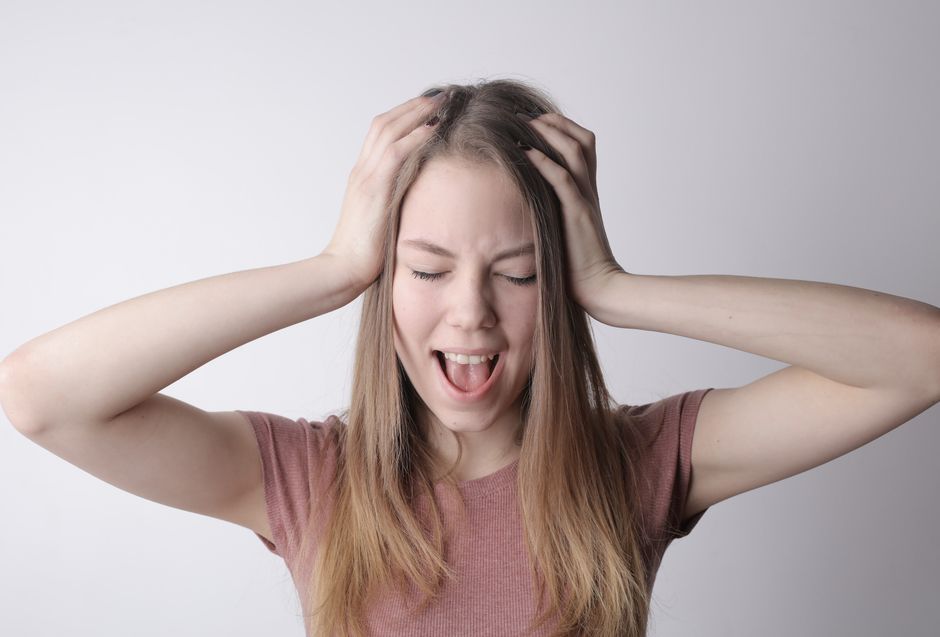
If you have searched for help with anxiety you have probably seen articles about color noise. White noise is the most famous. But pink noise and brown noise are getting a lot of attention too. The real answer is that brown noise is the best color noise for anxiety for most people. It sounds deeper and more natural. It also does not have the harsh high frequencies that can bother some people. Brown noise helps many people feel calmer and sleep better.
What is color noise and how does it work?
Color noise is a way to describe different sound frequencies. Think of it like the colors of light. White light has all colors mixed together. White noise has all sound frequencies mixed together at the same volume. Pink noise and brown noise are different because they change the balance of high and low sounds.
The science behind noise and anxiety is not complicated. Your brain is always listening for danger. Unexpected sounds grab your attention. This is a survival instinct. Constant background noise masks those sudden sounds. Your brain relaxes because there is nothing new to worry about.
This is called sound masking. It is the same reason a fan helps you sleep. The steady sound covers up little noises that would wake you up. For anxiety the same principle applies. A steady sound can help your nervous system settle down.
White noise vs pink noise vs brown noise for anxiety
White noise sounds like a radio tuned to static. It has equal energy at all frequencies. Many people find it too sharp or harsh. The high frequencies can actually increase tension for some people instead of reducing it.
Pink noise sounds softer than white noise. It lowers the volume of high frequencies. Think of steady rain or rustling leaves. Some studies suggest pink noise can improve deep sleep. For anxiety it is a good middle ground. It is gentler than white noise but still has some high frequencies.
Brown noise sounds much deeper. It is also called red noise or Brownian noise. Think of a strong waterfall or thunder rumbling in the distance. Brown noise has even less high frequency energy than pink noise. The sound is low and full. Many people describe it as calming in a way that feels physical. You can feel it in your chest.
For anxiety brown noise is usually the best choice. The deep sound is less likely to irritate you. It also covers a wider range of low sounds. This makes it very effective at masking noise.
What color noise is best for anxiety during the day?
During the day you need sound that helps you focus without making you sleepy. Brown noise can work well here too. But some people prefer pink noise for daytime use. It is less intense than white noise but still has enough high frequency to keep you alert.
If you work in a noisy office or have loud neighbors brown noise is a strong option. The low rumble masks conversations and traffic sounds very effectively. Pink noise is better if you find brown noise too heavy or drowsy.
Try both for a few days. Pay attention to how your body feels. Do you feel more relaxed or more on edge? Do you feel sleepy or focused? Your personal reaction is more important than any general recommendation.




What color noise is best for anxiety at night?
Sleep and anxiety are closely connected. Poor sleep makes anxiety worse. Anxiety makes sleep harder. Color noise can help break this cycle.
Brown noise is excellent for sleep. The deep frequencies are similar to the sounds of a heartbeat or breathing. This may help your body feel safe and calm. Many people fall asleep faster with brown noise than with silence.
Pink noise has research behind it for deep sleep. Some studies have found that pink noise increases slow wave sleep. This is the most restorative stage of sleep. If you wake up feeling tired despite sleeping enough hours pink noise might help.
White noise is not recommended for sleep if you are sensitive to sound. The sharp frequencies can keep your brain slightly alert. You might sleep but the quality may not be as good.
How to use color noise for anxiety the right way
Volume matters more than people think. Color noise should be at a comfortable level. It should not be loud enough to drown out everything. The goal is masking not blasting. A good rule is to set the volume so it is audible but not louder than a normal conversation.
Duration also matters. Some people use color noise all night. Others only use it for 20 to 30 minutes to fall asleep. For daytime anxiety you might use it for an hour or two during stressful tasks. There is no one right way.
Where you place the sound source matters too. A speaker across the room sounds different than headphones. Headphones give you more control. Speakers create a more natural sound field. Try both.
Do not use color noise to avoid dealing with anxiety entirely. It is a tool not a treatment. If your anxiety is severe or persistent talk to a healthcare professional. Color noise can help you cope but it does not replace therapy or medication when those are needed.
Are there any downsides to color noise for anxiety?
Color noise is safe for most people. But there are a few things to know. Very loud noise of any kind can damage hearing over time. Keep the volume at a safe level. If you have tinnitus some colors of noise may help but others may make it worse. White noise is sometimes too harsh for people with tinnitus. Brown noise is usually better tolerated.
Some people find that color noise becomes a crutch. They cannot fall asleep or focus without it. This is not necessarily bad. Many people use tools to help them function. But if you feel dependent on it try using it only when you really need it.
Children and babies should use color noise at lower volumes. The American Academy of Pediatrics recommends keeping noise machines under 50 decibels for infants. For older children the same caution applies. Low volume is safer.
Can color noise replace medication or therapy for anxiety?
No. Color noise is a coping tool. It can help you feel calmer in the moment. It can make sleep easier. It can reduce the impact of environmental noise. But it does not treat the underlying causes of anxiety.
Anxiety disorders are medical conditions. They often respond well to therapy and sometimes medication. Color noise is not a substitute for professional care. If your anxiety affects your daily life or causes significant distress seek help from a mental health provider.
Think of color noise like a comfortable chair or a warm drink. It helps you feel better temporarily. That is valuable. But it does not solve the root problem. Use it as part of a larger approach to managing anxiety.
Frequently Asked Questions
Is brown noise better than pink noise for anxiety?
Yes for most people brown noise is better because it sounds deeper and less harsh. Some people still prefer pink noise so try both to see what calms you personally.
Can I listen to color noise all night?
Yes it is safe to listen all night at a low volume. Keep the sound below 50 decibels to protect your hearing and avoid sleep disruption.
Does color noise work for panic attacks?
It can help during a panic attack by providing a steady sound to focus on. It is not a treatment for panic disorder so consult a doctor if attacks are frequent.
What is the best noise color for anxiety and ADHD together?
Brown noise is often recommended for both conditions because the deep sound is calming and helps with focus. Pink noise is a good alternative if brown noise feels too heavy.
