
Marriage is hard work for everyone, but an Asperger marriage comes with a unique set of challenges that most couples never have to face. When one partner has Asperger’s Syndrome—now diagnosed as Autism Spectrum Disorder (ASD)—the neurotypical partner often feels lonely, confused, and exhausted. The key to surviving and even thriving in this type of marriage is understanding that your partner processes the world differently, not wrong. What works is a combination of education, explicit communication, and a willingness to adjust expectations that were built for a neurotypical relationship.
What Is an Asperger Marriage?
An Asperger marriage is a relationship where one partner has Asperger’s Syndrome. The other partner is usually neurotypical, meaning they process social cues, emotions, and communication in a typical way. The term “Asperger’s” is no longer an official diagnosis, but many adults still identify with it. In current medical language, it falls under Autism Spectrum Disorder.
In these marriages, the neurotypical partner often carries the emotional weight of the relationship. They initiate conversations about feelings, manage the social calendar, and try to decode their partner’s behavior. The partner with Asperger’s may struggle with reading facial expressions, understanding subtle hints, or knowing what their spouse needs emotionally without being told directly.
This mismatch creates a predictable pattern of misunderstanding. The neurotypical partner feels unloved and ignored. The Asperger partner feels confused and criticized. Neither is wrong. They are simply speaking different emotional languages.
How To Survive An Asperger Marriage: What Works in Real Life?
Survival in an Asperger marriage starts with a fundamental shift in perspective. You must stop expecting your partner to read your mind or infer your needs from context clues. They will not. This is not a choice they are making. It is how their brain processes social information.
What works is direct, explicit communication. Say exactly what you need, when you need it, with no hints and no sugarcoating. Instead of sighing and hoping your partner notices you are upset, say “I am feeling overwhelmed and I need to talk about the kids’ schedule for tomorrow.” This feels unnatural at first. It feels robotic and unromantic. But for an Asperger partner, this is the clearest way to show love.
Education is the second pillar. Read books about Asperger’s in adults. Learn about sensory overload, executive dysfunction, and alexithymia—the difficulty identifying and describing emotions. The more you understand the neurology behind the behavior, the less personal the behavior feels.
Third, build a structured life. Routines reduce anxiety for the Asperger partner. Predictability allows them to function at their best. A predictable home environment means more emotional energy available for the relationship, not less.
Why Does the Neurotypical Partner Feel So Alone?
The loneliness in an Asperger marriage is profound because it is invisible. From the outside, the marriage may look functional. Your partner goes to work, pays bills, and does not argue. But inside, you feel like you are living with a roommate who does not understand you.
This loneliness comes from a lack of emotional reciprocity. When you share a worry, your partner may respond with a solution instead of comfort. When you cry, they may sit silently because they do not know what to do. When you want to celebrate a success, they may ask why you are making such a big deal of it.
These responses feel cold and uncaring. But research consistently shows that individuals with ASD often experience empathy differently. They do feel emotions, sometimes intensely. The challenge is recognizing and expressing those emotions in a way that others can understand.
Understanding this does not erase the loneliness. But it reframes it. Your partner is not rejecting you. They are limited in their ability to show up in the way you need. That distinction is crucial for your mental health.





What Are the Most Common Conflict Points?
Conflict in Asperger marriages usually centers on a few predictable areas. Knowing these in advance helps you prepare for them rather than being blindsided.
Emotional communication is the biggest one. The neurotypical partner needs to talk about feelings to feel connected. The Asperger partner finds this conversation confusing and exhausting. They do not know what to say, so they say nothing or they say something logical that sounds dismissive.
Social obligations are another flashpoint. Family gatherings, parties, and even casual dinners with friends require a set of social skills that drain the Asperger partner quickly. They may refuse to attend, or they may attend but sit in a corner looking miserable. The neurotypical partner feels embarrassed and unsupported.
Parenting styles often clash as well. The Asperger parent may struggle with the chaotic, unpredictable nature of young children. They may be rigid about rules while the neurotypical parent is more flexible. This creates arguments about discipline and daily routines.
Sensory issues can also cause conflict. Bright lights, loud noises, or certain textures can cause genuine distress for the Asperger partner. The neurotypical partner may not understand why their spouse is irritable or needs to leave a restaurant immediately.
How Can Both Partners Feel Heard?
Feeling heard is possible, but it requires abandoning the standard rules of marital communication. Traditional advice says to use “I feel” statements and mirror your partner’s emotions. This advice often fails in an Asperger marriage because the Asperger partner does not naturally process emotional language that way.
Instead, create a communication system that works for both of you. Some couples use written communication for difficult topics. Writing allows the Asperger partner time to process without the pressure of an immediate response. It also prevents the neurotypical partner from being triggered by a blank facial expression.
Set a regular check-in time. Once a week, sit down for thirty minutes and discuss practical matters, emotional concerns, and upcoming events. Keep it structured. Have an agenda. This takes the spontaneity out of emotional conversations, which reduces anxiety for the Asperger partner and guarantees the neurotypical partner gets time to speak.
Both partners need to accept that their way of expressing love may not match what the other needs. The neurotypical partner may need to learn to see love in acts of service and reliability. The Asperger partner may need to learn that saying “I love you” out loud matters, even if it feels performative.
When Should You Seek Professional Help?
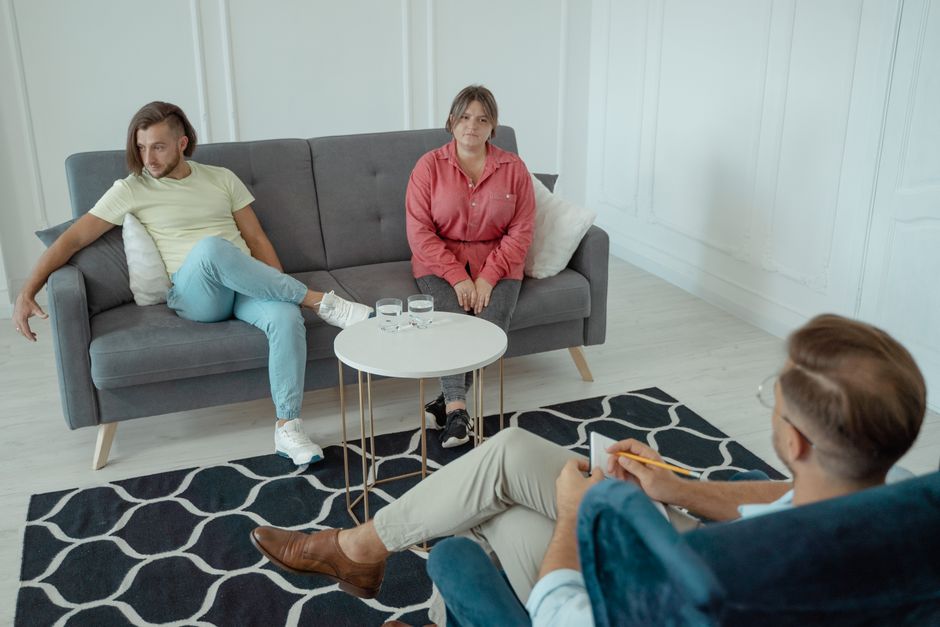
Professional help is not a sign of failure. It is a necessary tool for many Asperger marriages. The challenge is finding the right professional. A standard couples therapist who does not understand autism may make things worse by pushing the Asperger partner to be more emotionally expressive in ways they cannot sustain.
Look for a therapist who specializes in neurodiverse relationships or who has specific experience with adult autism. These professionals understand that the goal is not to make the Asperger partner appear neurotypical. The goal is to build a bridge between two different ways of experiencing the world.
Individual therapy for the neurotypical partner is also valuable. You need a safe space to express your frustration, grief, and loneliness without worrying about how your partner will react. A therapist can help you set boundaries, manage expectations, and decide what you need to stay in the marriage.
Some couples also benefit from autism-specific coaching rather than traditional therapy. Coaches focus on practical skills like communication scripts, sensory management, and daily routines. This practical focus often feels more useful than talk therapy for the Asperger partner.
Is Staying Together Always the Right Choice?
No. Some Asperger marriages cannot and should not be saved. If there is abuse, addiction, or a complete refusal by either partner to acknowledge the other’s reality, separation may be the healthiest option.
The decision to stay requires both partners to commit to the work. The Asperger partner must be willing to learn social skills and practice emotional communication. The neurotypical partner must be willing to accept that some emotional needs will never be fully met by their spouse and must find other outlets for those needs.
Many couples do stay together and build deeply satisfying lives. The key is redefining what a good marriage looks like. A good Asperger marriage may not involve spontaneous romantic gestures or deep emotional talks. It may involve quiet companionship, shared routines, mutual respect, and a deep understanding that your partner loves you in the only way they know how.
This is not settling. This is seeing your partner clearly and choosing them anyway.
Frequently Asked Questions
Can an Asperger marriage work long term?
Yes, many Asperger marriages succeed long term when both partners understand the diagnosis and commit to explicit communication. Success depends on mutual respect and a willingness to adapt expectations rather than on trying to change the Asperger partner’s neurology.
How do I get my Asperger husband to understand my feelings?
State your feelings directly with no hints, and use written communication if verbal conversations are too difficult. Explain what you need clearly, such as “I need you to listen without offering a solution right now.”
Does my husband with Asperger’s love me?
Most likely yes, but he expresses love through actions and reliability rather than through emotional words or gestures. People with Asperger’s often feel deep love but struggle to communicate it in ways neurotypical partners recognize.
What should I not say to my Asperger partner?
Avoid vague statements, hints, or expecting them to infer your meaning from tone or body language. Also avoid accusing them of being cold or uncaring because they process emotions differently.
