
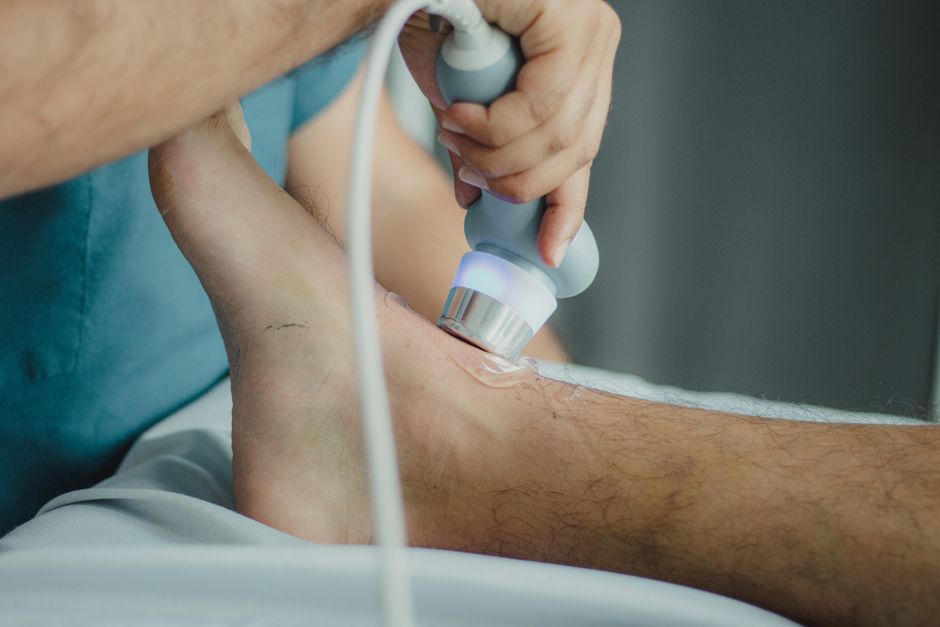
Nerve damage can heal naturally, but the process is slow and depends on the type and severity of the injury. The body can repair peripheral nerves at a rate of about one millimeter per day if the nerve sheath is intact. Natural strategies that support this process include addressing underlying causes like vitamin deficiencies, reducing inflammation, improving blood flow, and providing key nutrients. However, complete recovery is not guaranteed for severe damage, and medical treatment is often necessary.
How does nerve damage happen?
Nerves can be damaged in several ways. Physical injury from cuts, crushing, or stretching disrupts the nerve fibers. Metabolic conditions like diabetes can cause progressive nerve damage over time due to high blood sugar. Autoimmune diseases, infections, vitamin deficiencies, and toxins can also harm nerves.
In peripheral nerves, damage to the myelin sheath (the protective coating) or the axon (the nerve fiber itself) can slow or block signals. In the spinal cord and brain, nerve cells have very limited ability to regenerate. Understanding the cause is critical because treatment and natural repair potential vary widely.
What are the signs of nerve damage?
Common symptoms include numbness, tingling, burning pain, and weakness in the affected area. Some people experience sensitivity to touch or loss of coordination. In more severe cases, muscles may atrophy or reflexes diminish.
If you have diabetes, unexplained numbness in your feet is a common early sign. Symptoms often start in the longest nerves — the hands and feet — before spreading. It is important to distinguish nerve damage from other conditions like muscle strain or circulation problems. A doctor can confirm nerve injury through physical exams, nerve conduction studies, or blood tests.
Can nerves heal naturally on their own?
Yes, but only under certain conditions. Peripheral nerves have some ability to regenerate if the nerve cell body remains intact and the nerve sheath (endoneurium) provides a pathway. The damaged ends can grow back at about one millimeter per day. This process works best for clean cuts or mild compression injuries.
In contrast, nerves in the brain and spinal cord (central nervous system) do not regenerate effectively. Scar tissue and inhibitory molecules block regrowth. For central nervous system damage, natural repair is very limited and recovery usually depends on rewiring through rehabilitation rather than regrowth of damaged cells.
The extent of natural healing also depends on age, overall health, and whether the underlying cause is removed. For example, controlling blood sugar in diabetic neuropathy can stop progression but rarely reverses existing damage completely.





How To Repair Nerve Damage Naturally What Works?
Several natural approaches have evidence supporting nerve repair. Key nutrients include vitamin B12, which is essential for myelin maintenance. Studies have found that B12 supplementation can help some types of neuropathy, especially when deficiency is present. Vitamin B1 (thiamine) and B6 are also involved in nerve function, though high doses of B6 can actually cause nerve damage.
Alpha-lipoic acid, an antioxidant, has shown benefit in diabetic neuropathy by reducing oxidative stress. Some research suggests 600 mg daily can improve symptoms, but studies vary. Omega-3 fatty acids from fish oil may reduce inflammation and support nerve cell membranes. Curcumin, the active compound in turmeric, also has anti-inflammatory properties that could theoretically help, but human evidence is limited.
Exercise is one of the most effective natural strategies. It increases blood flow to nerves, promotes the release of neurotrophic factors like NGF (nerve growth factor), and encourages nerve regeneration. Physical therapy can prevent muscle atrophy and improve functional recovery. Even modest activity like walking can make a difference.
No single supplement or natural remedy has been proven to cure nerve damage. The best approach combines addressing the underlying cause, optimizing nutrition, regular exercise, and avoiding harm (like alcohol or smoking). Always talk to your doctor before starting high-dose supplements, as some can interact with medications.
Does exercise help nerve regeneration?
Yes, exercise is strongly supported for nerve regeneration. Animal studies consistently show that aerobic exercise increases the production of brain-derived neurotrophic factor (BDNF) and nerve growth factor (NGF), which promote nerve growth and survival. Human studies in people with diabetic neuropathy and other conditions also find that exercise improves nerve conduction and reduces symptoms.
The type of exercise matters. Low-impact activities like walking, swimming, and cycling are safe for most nerve conditions. Strength training can help maintain muscle mass and prevent contractures. Balance exercises reduce fall risk when sensation is impaired. Recovery takes months, so patience and consistency are key.
What natural treatments have the most evidence?
For diabetic neuropathy, alpha-lipoic acid has the strongest evidence base. Several randomized trials show improvement in pain and nerve function with oral doses of 600–1800 mg daily, though optimal dosing and long-term effects are still debated.
Vitamin B12, especially in the form methylcobalamin, has been studied for various neuropathies. A 2017 meta-analysis found that B12 supplementation improved symptoms in diabetic and other peripheral neuropathies. However, benefits are clearest when B12 levels are low.
Acetyl-L-carnitine has some evidence for reducing pain and improving nerve regeneration in chemotherapy-induced neuropathy and diabetic neuropathy. A few small studies show benefit, but larger trials are needed.
Evening primrose oil (source of gamma-linolenic acid) has mixed evidence for diabetic neuropathy. Some studies show modest improvement in nerve function, others show none. It is not a first-line treatment.
No high-quality evidence supports common claims about cayenne pepper cream, magnesium, or specific essential oils for nerve regeneration. Capsaicin cream (from cayenne) can reduce pain by desensitizing nerve endings, but it does not repair the nerve.
When should you see a doctor for nerve damage?
Natural approaches have limits. See a doctor if you have sudden or progressive weakness, loss of sensation, difficulty walking, or loss of bladder or bowel control. These could indicate a serious condition like spinal cord compression or Guillain-Barré syndrome that requires urgent medical treatment.
For gradual symptoms like numbness in the feet, see a primary care doctor to identify the cause. Treating the underlying condition — whether diabetes, vitamin deficiency, or autoimmune disease — is the first step. A neurologist can perform specialized tests and prescribe medications that target nerve pain, such as gabapentin, pregabalin, or tricyclic antidepressants. These are often more effective than natural treatments for pain relief.
Physical therapy and occupational therapy are also considered standard care for nerve damage. They are not “natural” but are non-invasive and evidence-based. Combining medical treatment with supportive natural strategies may give the best outcome.
Frequently Asked Questions
Can nerve damage be reversed naturally?
Some nerve damage can reverse naturally if the cause is removed and the injury is mild, especially in peripheral nerves. Complete reversal is not possible for severe damage or injuries to the brain and spinal cord.
How long does it take for nerves to heal?
Healing is slow, averaging about one millimeter per day in peripheral nerves. For a hand injury, this can take months to years; recovery is rarely complete.
What vitamins repair nerve damage?
Vitamin B12, B1, and B6 are involved in nerve health, but only B12 has strong evidence for repairing damage when deficiency exists. High doses of B6 can cause nerve damage.
Does massage help nerve damage?
Massage can improve circulation and reduce pain, but it does not directly repair nerve fibers. It may help with muscle tension and discomfort associated with nerve damage.
