
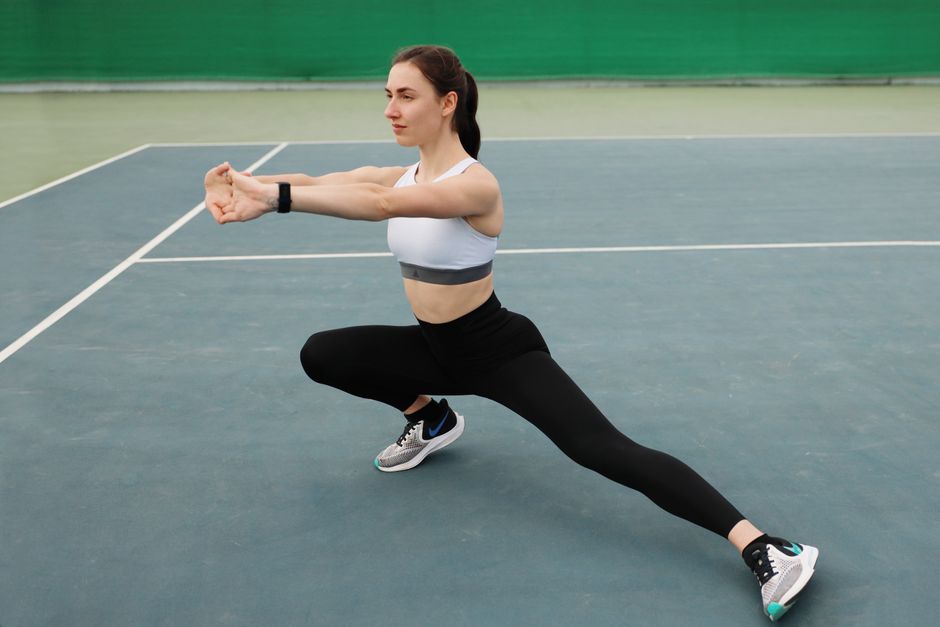
Stretching can help tennis elbow, but doing the wrong stretch or forcing it can make the pain worse. The key is to stretch the muscles around the elbow gently, without pushing into pain, and only when the acute inflammation has settled. Start with a static wrist flexor stretch — hold for 15–30 seconds, repeat a few times, and stop if pain increases. Never bounce or use aggressive pressure.
What Causes Tennis Elbow and Why Stretching Can Help?
Tennis elbow, also called lateral epicondylitis, is a tendon injury on the outside of the elbow. It happens when the tendons that attach your forearm muscles to the elbow bone become irritated or develop small tears. The main cause is repetitive use of the wrist and finger extensors — not just from tennis but from any activity that involves repeated gripping, lifting, or twisting.
Stretching helps by improving flexibility and reducing tension in the tight forearm muscles. Tight muscles pull more on the tendon attachment, which can increase pain. Gentle stretching can also improve blood flow to the area, which may support healing. But stretching alone will not fix the underlying tendon damage. It is part of a larger rehab plan that usually includes strengthening exercises and activity modification.
How To Stretch Tennis Elbow Without Making It Worse
Do not stretch into pain. Pain is a sign that you are aggravating the injured tendon, not helping it. The goal is to feel a gentle stretch in the belly of the forearm muscles, not a pulling sensation at the elbow bone.
Start with your arm straight in front of you, palm facing down. Use your other hand to gently bend your wrist downward so that your fingers point toward the floor. You should feel a stretch along the top of your forearm. Hold for 15 to 30 seconds, then relax. Repeat 3 times. Do this two to three times a day.
You can also stretch the underside of your forearm. Straighten your arm with your palm facing up. Use your other hand to gently bend your wrist so your fingers point down. This stretches the wrist flexors and can relieve tension that contributes to the injury.
Never bounce or pull hard. The stretch should be slow and controlled. If you feel sharp pain at the elbow, stop immediately. If the pain lasts more than a few minutes after stretching, you are overdoing it.
Wrist Flexor vs Wrist Extensor Stretch — Which One Matters More?
Both are important, but the extensor stretch is directly targeting the affected tendons in tennis elbow. The extensor muscles are on the top of your forearm. When they are tight, they put extra strain on the lateral elbow tendon.
The flexor stretch (palm up) helps balance the forearm. Many people with tennis elbow also have tight flexors because they grip hard to compensate. Stretching both sides keeps the entire forearm more relaxed and reduces overall tension at the elbow.





When You Should Not Stretch Tennis Elbow
Do not stretch during the acute phase. If your elbow is red, swollen, or very painful even at rest, stretching will likely make it worse. In the first few days after an injury or flare-up, rest and ice are more appropriate.
Also avoid stretching if you feel a sharp, stabbing pain at the bony bump on the outside of your elbow. That kind of pain means the tendon itself is being irritated. Some clinicians recommend waiting until the sharp pain has subsided and you have mild or moderate pain only during specific activities.
If you have been diagnosed with a partial or complete tendon tear, follow your doctor or physical therapist’s advice. Stretching a torn tendon may delay healing or worsen the injury.
Other Treatments That Work Alongside Stretching
Stretching alone is rarely enough. Most recovery plans include some form of eccentric strengthening — slowly lowering a weight after contracting the muscle. This type of exercise has been studied more than stretching for tennis elbow and is often recommended by physical therapists. Start with very light weight, such as a 1-pound dumbbell or a can of soup.
Massage and foam rolling of the forearm muscles can also help reduce tightness. A counterforce brace worn just below the elbow may offload the tendon during activity. Nonsteroidal anti-inflammatory drugs (ibuprofen or naproxen) can be used short-term for pain, but they do not heal the tendon.
If symptoms persist for more than six weeks despite conservative care, see a healthcare provider. They may recommend physical therapy, corticosteroid injections (which can provide temporary relief but may weaken the tendon long-term), or newer treatments like platelet-rich plasma (PRP) — though evidence for PRP is mixed.
How Long Does It Take for Tennis Elbow to Heal?
Recovery varies widely. Some people improve in a few weeks with rest and stretching. Others take months. Research suggests that most cases resolve within 6 to 12 months regardless of treatment — but that is a long time to tolerate pain. Active management with stretching and strengthening may shorten the course.
Be patient. Tendons heal slowly because they have limited blood supply. Pushing too hard too fast often backfires. Listen to your body: mild discomfort during rehab is acceptable, but pain that lasts more than two hours after an activity or stretch means you overdid it.
Frequently Asked Questions
Should I stretch tennis elbow every day?
Yes, but only if you have no acute pain. Do gentle stretches once or twice daily, holding each for 15–30 seconds. Skip a day if stretching makes the pain worse.
Can stretching make tennis elbow worse?
Yes. Stretching into pain, using a strong pull, or stretching during the acute inflammatory phase can aggravate the tendon. Always stretch gently and stop at the first sign of sharp elbow pain.
Is it better to ice or heat before stretching?
Ice is better for acute pain and inflammation. Heat can be used before stretching to relax tight muscles, but only if there is no swelling. Apply heat for 10–15 minutes, then stretch gently.
When should I see a doctor for tennis elbow?
See a doctor if pain lasts more than six weeks despite rest and gentle stretching, if you have numbness or weakness in your hand, or if you cannot straighten your elbow fully.
