
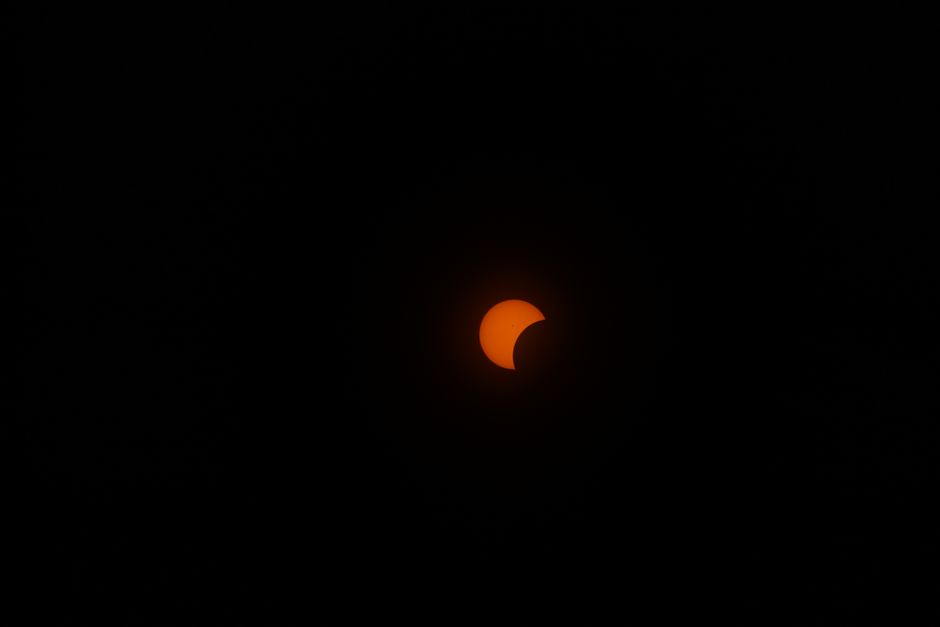
You can safely watch a solar eclipse only with ISO 12312-2 certified eclipse glasses or a handheld solar viewer. Without these certified filters, you risk permanent eye damage or blindness. The only exception is during the brief total phase of a total solar eclipse, when the moon completely blocks the sun. For partial eclipses or the partial phases of a total eclipse, certified glasses are not optional—they are essential.
What Makes Eclipse Glasses Safe and How Can You Verify Them?
Eclipse glasses are not ordinary sunglasses. Regular sunglasses, even very dark ones, block nowhere near enough light. The sun’s intense visible and invisible radiation can burn a hole in your retina without causing any pain. The damage happens before you feel anything.
Safe eclipse glasses meet the ISO 12312-2 international safety standard. This standard ensures the filters reduce the sun’s visible light to safe levels and block nearly all ultraviolet and infrared radiation. The American Astronomical Society (AAS) maintains a list of reputable manufacturers whose products meet this standard. If you do not see the ISO logo and certification number printed on the glasses, do not use them.
Counterfeit glasses are a real problem. Some sellers print fake ISO logos on unsafe products. The AAS advises buying only from known vendors on their approved list. If the glasses arrived from an unknown online seller and the printing looks sloppy or the logo is missing entirely, throw them away. Your eyesight is not worth the gamble.
How To Watch The Eclipse Safely With Or Without Glasses: The Methods That Work
The safest and most reliable method is using certified eclipse glasses. They cost a few dollars and are widely available before a major eclipse event. If you have them, put them on before looking up. Look away before removing them. Do not take them off while staring at the sun.
If you do not have glasses, you can watch the eclipse indirectly using a pinhole projector. This is a simple device that projects an image of the sun onto a surface. You do not look at the sun at all. You look at the projection. This method is completely safe and works well for groups.
To make a pinhole projector, take a piece of cardboard and poke a small hole in it with a pin. Stand with your back to the sun. Hold the cardboard so the sunlight passes through the hole and lands on a second piece of white paper or a flat surface. You will see a small, sharp image of the sun and the moon’s shadow moving across it. The image is tiny but clear.
Another indirect method is to use a colander. The small holes in a kitchen colander act as multiple pinhole projectors. Hold it above the ground and watch the sun’s image appear as dozens of tiny crescents on the pavement. This works surprisingly well and is a fun way to involve children.
What Happens to Your Eyes If You Look at the Eclipse Without Protection?
Looking at the sun without proper protection causes solar retinopathy. This is a burn on the retina, the light-sensitive tissue at the back of your eye. The retina has no pain receptors. You will not feel the damage happening. Symptoms may not appear for hours or even a day later.
Common symptoms include blurred vision, a blind spot in the center of your vision, distorted vision where straight lines look wavy, and altered color perception. The damage can be temporary or permanent. Research published in JAMA Ophthalmology has documented cases where vision loss from solar retinopathy persisted for months and in some cases did not improve at all.
Children are especially at risk because they may not understand the danger. Their eyes also transmit more light to the retina than adult eyes. The American Academy of Ophthalmology states that even a few seconds of direct sun exposure can cause permanent damage. There is no treatment for solar retinopathy. Prevention is the only option.



What About Welding Goggles, Film Negatives, or Other DIY Filters?
Do not use homemade filters. Standard sunglasses, smoked glass, photographic film negatives, X-ray film, polarized filters, and CDs are all unsafe. They block visible light but allow invisible ultraviolet and infrared radiation through. These wavelengths can still damage your retina without you noticing any brightness.
Welding goggles are a partial exception but require caution. A shade number 14 welder’s glass is safe for direct solar viewing. This is a very dark filter used in professional arc welding. Shade 12 or lower is not safe. Most hobbyist or hardware-store welding masks are shade 10 or below. Check the shade number printed on the glass. If it is not shade 14, do not use it.
Some people claim you can use mylar balloon material or floppy disks. Do not believe them. These materials may have pinholes or uneven coatings that let intense sunlight through. The only reliable homemade method is indirect viewing with a pinhole projector. If you want direct viewing, buy certified glasses from a known source.
How to Watch the Total Phase of a Total Solar Eclipse Without Glasses
There is one brief moment when it is safe to look at the sun without glasses. During a total solar eclipse, when the moon completely covers the sun, you can look directly at the eclipse with your naked eyes. This is called totality. It lasts only a few minutes, depending on your location.
You must know exactly when totality begins and ends. The moment the sun starts to reappear, even a tiny sliver of bright light, you must put your glasses back on immediately. That sliver of direct sunlight is intense enough to cause instant retinal burn. Many people make the mistake of looking too long or too late.
During totality, the sun’s corona—the outer atmosphere—is visible as a faint white glow around the black disk of the moon. This is a spectacular sight that no photograph can fully capture. But the window is narrow. Check the exact timing for your location from NASA or a local astronomy group. Set a timer. Do not trust your instincts to look away in time.
If you are watching a partial solar eclipse or are outside the path of totality, you never get this safe window. You must use certified glasses for the entire event. There is no exception.
Comparison of Eclipse Viewing Methods
| Method | Safety Level | Cost | Best For |
|---|---|---|---|
| ISO 12312-2 certified glasses | Safe for direct viewing | Low ($1-$5) | Individuals and families |
| Pinhole projector | Safe indirect viewing | Free (cardboard + pin) | Groups, children, schools |
| Shade 14 welding glass | Safe for direct viewing | Moderate ($10-$30) | Welders or those with access |
| Regular sunglasses | Unsafe | Varies | Do not use |
| Camera viewfinder | Unsafe | Varies | Do not use |
| Binoculars or telescope without filter | Extremely dangerous | Varies | Do not use |
Common Misconceptions About Eclipse Safety
A widespread myth is that you can safely view an eclipse through a smartphone camera. This is false. The camera lens concentrates sunlight onto the sensor and can damage the phone. More importantly, you will likely look at the screen, not the sun, but the urge to look directly at the sun while holding the phone is strong. Do not do it.
Another myth is that wearing eclipse glasses while looking through a camera, binoculars, or telescope is safe. It is not. These devices concentrate sunlight to dangerous levels. The concentrated beam can melt the filter or allow intense light through tiny gaps. You need a special solar filter designed for the specific device. Ordinary glasses are not enough.
Some people believe that if the sky looks dim enough, the eclipse is safe to view. This is wrong. The sky may appear dark during a partial eclipse, but the sun’s surface is still dangerously bright. The visible portion of the sun emits enough radiation to cause immediate eye damage. Dim light does not mean safe light.
Frequently Asked Questions
Can I use my phone to watch the eclipse?
You can use your phone to take a picture of the eclipse if you have a certified solar filter over the lens. Do not look at the sun through the phone’s viewfinder without a filter.
How long can I look at the eclipse with glasses?
You can look for a few seconds at a time. Take breaks to rest your eyes. Do not stare continuously for long periods even with certified glasses.
What if my eclipse glasses are scratched?
Discard scratched or damaged glasses. Scratches can let in intense light and compromise the filter’s safety. Buy a new pair from a trusted source.
Can I watch the eclipse through a telescope?
Only with a certified solar filter attached to the front of the telescope. Never use a telescope without this filter. The concentrated sunlight will destroy your eyes instantly.
