
An itchy scalp that sheds more hair than usual is a common combination, and the two symptoms are often linked by the same underlying process. Inflammation or irritation on the scalp can disturb the hair follicle, and a disturbed follicle can shed hair earlier than it normally would. In many cases the itch and the hair loss share one cause, not two separate problems.
The most frequent culprits are seborrheic dermatitis (dandruff and its more inflamed form), fungal overgrowth, psoriasis, contact reactions to hair products, and a few medical conditions such as thyroid disorders or iron deficiency. Working out which one applies to you usually comes down to where the itch sits, what the scalp looks like, and how the hair is coming out.
Why Is My Scalp Itchy And Losing Hair?
The scalp is skin, and like skin anywhere else it reacts to irritation with inflammation. That inflammation is what you feel as itch. When it persists around the hair follicles, it can interfere with the growth cycle and push hairs into the resting phase earlier than usual.
Hair grows in three phases: a long growing phase, a short transitional phase, and a resting phase. Under normal conditions, a small percentage of hairs are in the resting phase at any one time, and those are the ones that shed. When inflammation, infection, or a systemic stressor disrupts the cycle, more hairs enter the resting phase at once. The result is a noticeable increase in shedding a few weeks to a few months later.
This delay matters. People often assume their hair loss started the same day their scalp began itching. In reality the shedding you see now may reflect a trigger from two to three months ago. That gap is one reason the cause can be hard to pin down without looking carefully at the scalp itself.
Itch and hair loss are not always caused by the same thing, either. Sometimes a person has two separate issues at once — for example, an itchy scalp from product irritation and unrelated genetic hair thinning. Teasing these apart is where a proper scalp exam helps.
What Are The Most Common Causes?
Seborrheic dermatitis is the most common cause of an itchy, flaky scalp. It produces yellowish, greasy flakes, often along the hairline and behind the ears, and the itch can range from mild to persistent. The condition involves an overgrowth of Malassezia, a yeast that normally lives on the scalp. It is not a hygiene problem and it is not contagious.
Scalp psoriasis is another well-established cause. It tends to produce thicker, silvery scales with sharply defined red patches, and it can extend beyond the hairline onto the forehead, neck, or ears. Psoriasis is an immune-mediated condition, not an infection. Itching is common, and scratching can worsen the plaques.
Contact dermatitis happens when the scalp reacts to something applied to it. Common triggers include hair dyes, especially those containing paraphenylenediamine, fragrances, and some preservatives in shampoos and styling products. The itch usually follows a pattern that matches where the product touched the skin.
Fungal scalp infections, known as tinea capitis, are more common in children but can occur in adults. They typically cause patches of scaling, broken hairs, and sometimes redness or pus. This is a genuine infection that needs medical treatment, not a cosmetic fix.
Other causes include:
- Head lice, which cause intense itching and visible nits on the hair shaft
- Iron deficiency, which is associated with increased shedding
- Thyroid disorders, both underactive and overactive, which can disrupt the hair cycle
- Telogen effluvium, a temporary shedding triggered by illness, surgery, severe stress, or rapid weight loss
- Alopecia areata, an autoimmune condition that causes smooth, round bald patches and can sometimes itch
Each of these looks different on close inspection. That is why a doctor or dermatologist examining the scalp directly is more useful than guessing from symptoms alone.
Does An Itchy Scalp Always Mean Hair Loss?
No. An itchy scalp on its own does not cause permanent hair loss. The itch is a symptom, not the mechanism. What matters is what is driving the itch.
If the underlying cause is temporary — a reaction to a new shampoo, a bout of seborrheic dermatitis that responds to treatment — the shedding is usually temporary too. Hair typically regrows once the scalp settles. This is the reassuring part, and it is well supported.
The less reassuring part is that long-standing, untreated inflammation can, over time, affect the follicle in ways that are harder to reverse. This is more of a concern with conditions like scarring alopecias, which are uncommon but do exist. In those cases, the follicle is gradually destroyed and hair does not grow back.
So the practical takeaway is not to panic over an itchy scalp, but also not to ignore one that persists for weeks or months without improvement. Persistent symptoms are worth a professional look.





How Do You Tell The Causes Apart?
The pattern of flakes, the location of the itch, and the appearance of the scalp usually point toward one cause over another. A comparison helps make this clearer.
| Condition | Typical Appearance | Common Location |
|---|---|---|
| Seborrheic dermatitis | Yellowish, greasy flakes | Hairline, behind ears, eyebrows |
| Scalp psoriasis | Thick silvery scales, red patches | Edges of scalp, extends past hairline |
| Contact dermatitis | Redness, sometimes weeping | Where product was applied |
| Tinea capitis | Scaling patches, broken hairs | Scattered patches |
| Alopecia areata | Smooth round bald patches | Anywhere on scalp |
This table is a guide, not a diagnosis. Several of these conditions overlap in appearance, and a scalp can have more than one issue at once. A dermatologist using a dermatoscope can often distinguish them in a single visit.
When Should You See A Doctor?
See a doctor if the itch is severe, if you can see bald patches, if the scalp is painful, oozing, or bleeding, or if over-the-counter shampoos have not helped after several weeks of consistent use. Those features point toward something that needs a proper diagnosis.
Also see a doctor if you have other symptoms alongside the scalp problem — fatigue, weight changes, or unusual cold or heat intolerance, which can suggest a thyroid issue. Blood tests for thyroid function and iron levels are commonly ordered when hair shedding is the main complaint.
Children with scaling and broken hairs should be seen promptly, because tinea capitis requires prescription treatment and can spread to others.
One point that often gets missed: if you have tried several anti-dandruff shampoos without success, the problem may not be dandruff at all. Psoriasis, contact dermatitis, and fungal infection can all look like dandruff to an untrained eye but need different treatment. Reaching for a stronger shampoo is not the answer if the diagnosis is wrong.
What Actually Helps?
Treatment depends entirely on the cause, which is why identifying it matters. For seborrheic dermatitis, shampoos containing ketoconazole, zinc pyrithione, selenium sulfide, or salicylic acid are commonly used, and rotating between them is a strategy some clinicians recommend. For psoriasis, prescription topical treatments or medicated shampoos are often needed. For contact dermatitis, the fix is removing the trigger.
For tinea capitis, oral antifungal medication is required. Topical treatments alone are not effective for scalp fungal infections because the medication does not reach the follicle. This is an established point in clinical practice.
General measures that support scalp health without claiming to cure anything:
- Avoid scratching, which can worsen inflammation and cause secondary infection
- Wash hair regularly with a gentle shampoo to reduce oil buildup that feeds Malassezia
- Avoid harsh dyes, tight braids, and heat styling that stress the follicle
- Do not stop a medicated shampoo as soon as symptoms improve — the condition often returns
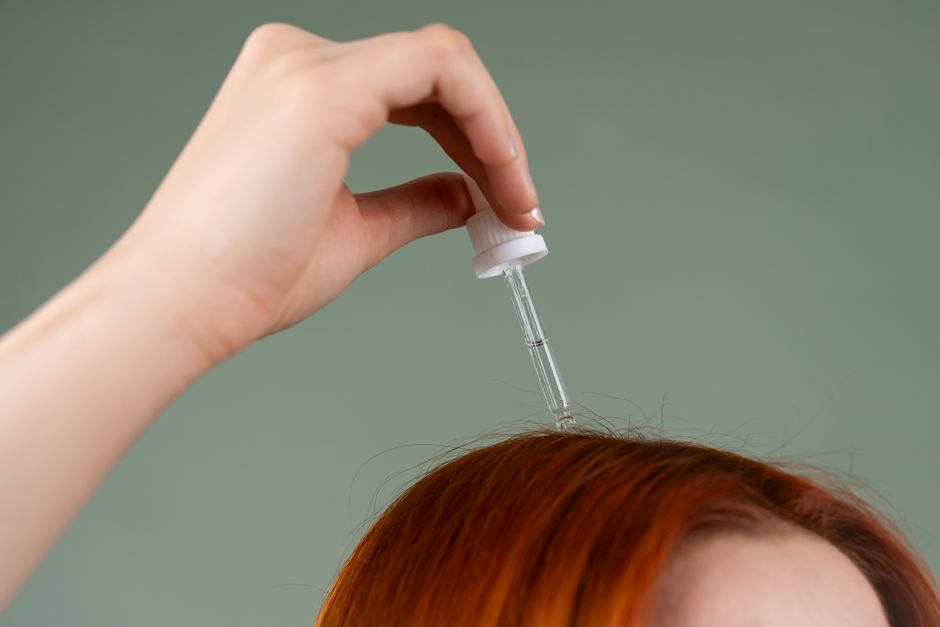
Be cautious with products marketed as hair regrowth solutions for an itchy scalp. If the underlying scalp condition is not treated, no growth serum will fix the shedding. And if the cause is genetic hair thinning, that is a separate problem from the itch and needs its own approach.
Does Stress Play A Role?
Stress can contribute to hair shedding, and it can worsen inflammatory skin conditions, including seborrheic dermatitis and psoriasis. The relationship is real but often overstated in popular coverage.
The mechanism for stress-related shedding is well described: significant physical or emotional stress can push a large number of follicles into the resting phase at once, leading to shedding roughly two to three months later. This is telogen effluvium. It is usually temporary, and hair typically recovers over several months once the stressor resolves.
Stress does not directly cause an itchy scalp in the way an infection or dermatitis does. If your scalp is itchy, look first at the skin itself rather than assuming stress is the whole story.
Frequently Asked Questions
Can an itchy scalp cause permanent hair loss?
An itchy scalp by itself does not cause permanent hair loss — the itch is a symptom, not the cause. Permanent loss is possible only with certain scarring conditions, which are uncommon and require medical diagnosis.
What is the most common cause of an itchy scalp with hair shedding?
Seborrheic dermatitis is the most common cause of an itchy, flaky scalp, and it can be associated with increased shedding. It involves an overgrowth of Malassezia yeast that normally lives on the scalp.
Should I see a dermatologist for an itchy scalp and hair loss?
Yes, if symptoms persist for several weeks, if you see bald patches, or if over-the-counter shampoos have not helped. A dermatologist can examine the scalp directly and distinguish between conditions that look similar.
Will my hair grow back once the scalp issue is treated?
In most temporary causes, such as seborrheic dermatitis or telogen effluvium, hair typically regrows over several months once the trigger is resolved. Hair does not regrow in scarring alopecias, which is why early diagnosis matters.
