
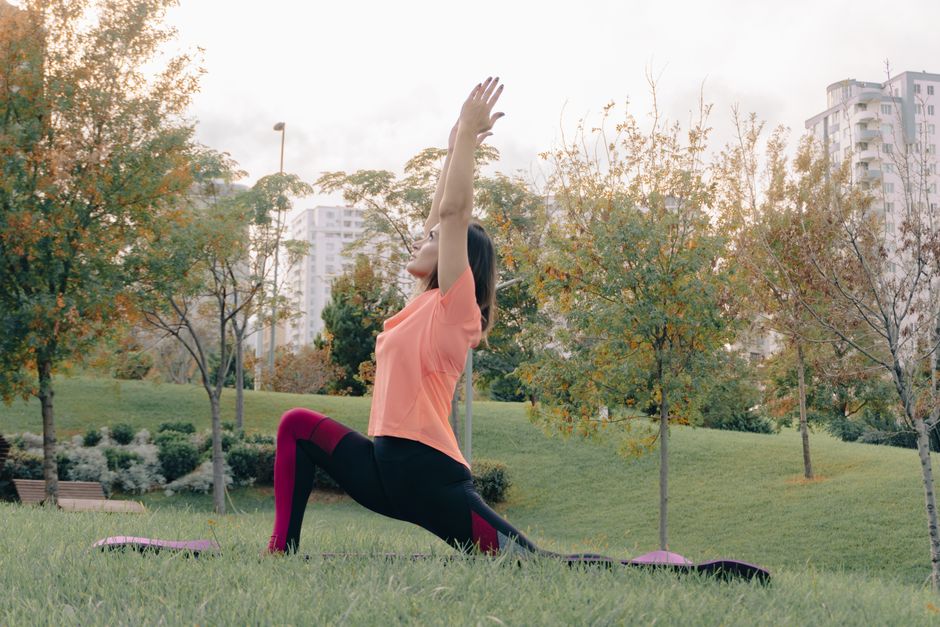
Pneumonia leaves your lungs inflamed, weak, and full of fluid. Even after the infection clears, your lungs need time and specific work to get back to normal. The most effective way to strengthen your lungs after pneumonia is a combination of controlled breathing exercises, gradual physical movement, and avoiding anything that irritates your airways. This is not about quick fixes — it is about rebuilding lung capacity over several weeks.
How Does Pneumonia Damage Your Lungs?
Pneumonia causes the air sacs in your lungs, called alveoli, to fill with fluid or pus. This makes it hard for oxygen to get into your bloodstream. Even after antibiotics or antivirals clear the infection, the inflammation lingers.
Your lung tissue may be stiff and less elastic. Your cough reflex might be weak. Mucus can remain trapped in small airways. The American Lung Association notes that full recovery from pneumonia can take weeks to months, especially in adults over 50 or those with pre-existing conditions.
The damage is not permanent for most people. But your lungs do not just heal on their own if you stay sedentary. They need active rehabilitation, similar to how you would retrain a muscle after an injury.
What Breathing Exercises Actually Help Restore Lung Function?
Controlled breathing exercises are the single most evidence-backed method for lung recovery after pneumonia. Research published in the journal Chest found that diaphragmatic breathing and pursed-lip breathing significantly improve oxygen saturation and reduce shortness of breath in post-pneumonia patients.
Pursed-lip breathing is simple. Breathe in slowly through your nose for two counts. Pucker your lips like you are about to whistle. Breathe out through your mouth for four counts. This creates back pressure in your airways, keeping them open longer and helping trapped air escape.
Diaphragmatic breathing targets the main muscle of breathing. Lie on your back with your knees bent. Place one hand on your chest and the other on your belly. Breathe in through your nose so your belly rises but your chest stays still. Breathe out through pursed lips. Practice this for five minutes, three times a day.
Some people report that a device called an incentive spirometer helps. It is a plastic tube with a ball inside that rises when you inhale. Hospitals use it after surgery to prevent pneumonia. For recovery, it can give you a visual target to aim for. But strong evidence comparing it to simple breathing exercises is limited.
How Should You Gradually Increase Physical Activity?
Your lungs need your body to move to fully recover. When you walk or do light activity, your breathing rate increases naturally. This helps clear mucus, stretches lung tissue, and improves circulation to healing areas.
Start with five minutes of walking on flat ground. Do this twice a day. If you feel winded, slow down — do not stop completely. Stopping suddenly can cause your oxygen level to drop. Instead, slow your pace and focus on pursed-lip breathing until you catch your breath.
Each week, add one to two minutes to your walk. The goal is to reach 20 to 30 minutes of continuous walking without shortness of breath. The American Thoracic Society recommends this gradual approach because it matches how lung tissue actually heals — slowly and in stages.
Avoid high-intensity exercise or heavy lifting for at least four weeks after your symptoms resolve. Your diaphragm and intercostal muscles (the muscles between your ribs) have been working overtime. They need time to recover, not more strain.


What Role Does Mucus Clearance Play in Lung Recovery?
Mucus that stays in your lungs after pneumonia blocks small airways and can lead to reinfection. Clearing it is not optional — it is essential for full recovery.
Hydration is the first step. Drinking enough water thins mucus so it moves more easily. Aim for eight to ten cups of fluid daily unless your doctor has restricted your fluids for another reason.
Steam inhalation can help loosen mucus. Sit in a bathroom with the shower running hot for ten minutes. Or lean over a bowl of hot water with a towel over your head. Do not use boiling water — you can burn your airways.
Controlled coughing is more effective than random coughing fits. Sit upright. Take a slow deep breath. Hold it for three seconds. Cough twice with your mouth slightly open. The first cough loosens the mucus. The second moves it up and out.
Some people use a technique called postural drainage. You lie in different positions to let gravity drain mucus from specific lung areas. This is more common in people with chronic lung conditions like cystic fibrosis. For pneumonia recovery, simple positioning — lying on your side with a pillow under your hips — can help drain the affected lung. Evidence for this in general pneumonia recovery is moderate, but many respiratory therapists recommend it.
| Method | How It Works | Evidence Level |
|---|---|---|
| Pursed-lip breathing | Keeps airways open longer | Strong — multiple clinical studies |
| Diaphragmatic breathing | Strengthens main breathing muscle | Strong — recommended by ATS |
| Incentive spirometry | Visual feedback for deep breaths | Moderate — effective but not superior to breathing exercises |
| Steam inhalation | Loosens mucus | Moderate — widely used, limited high-quality trials |
| Postural drainage | Gravity-assisted mucus clearance | Weak for general pneumonia — strong for chronic conditions |
What Foods and Supplements Support Lung Healing?
Your lungs need specific nutrients to repair damaged tissue. No single food or supplement cures pneumonia damage. But certain nutrients play a direct role in lung health.
Vitamin C is essential for collagen production, which helps repair lung tissue. A 2020 review in Nutrients found that adequate vitamin C levels were linked to faster recovery from respiratory infections. Good sources include citrus fruits, bell peppers, strawberries, and broccoli.
Vitamin D regulates immune function and reduces inflammation. The CDC reports that low vitamin D levels are associated with higher risk of respiratory infections. Your doctor can check your level with a blood test. Supplementation is only recommended if you are deficient.
Zinc supports the immune system and helps repair lung lining. Oysters, beef, pumpkin seeds, and chickpeas are good sources. The National Institutes of Health warns against high-dose zinc supplements without medical supervision because they can cause copper deficiency.
Omega-3 fatty acids from fish like salmon, mackerel, and sardines have anti-inflammatory effects. Some studies suggest they may reduce lung inflammation, though the evidence is not strong enough to recommend high-dose supplements specifically for pneumonia recovery.
What you should avoid matters more. Dairy does not increase mucus production, despite the widespread myth. Multiple studies, including one in the American Review of Respiratory Disease, found no link between dairy consumption and mucus thickness. But if you personally feel more congested after milk, skip it. Individual sensitivity is real.
What Should You Avoid During Lung Recovery?
Some things actively slow down lung healing. Avoiding them is as important as doing the right exercises.
Smoking and vaping are the worst things you can do. They paralyze the cilia — tiny hair-like structures that sweep mucus out of your lungs. Smoking also increases inflammation and damages the alveoli that are trying to heal. The American Lung Association states that smoking just one cigarette after pneumonia can delay recovery by days.
Secondhand smoke is also harmful. If you live with someone who smokes, ask them to smoke outside and away from windows. Even residual smoke on clothing and furniture can irritate healing lungs.
Air pollution and strong fumes trigger coughing and inflammation. Avoid areas with heavy traffic, wood-burning stoves, or strong cleaning chemicals. Use a HEPA air filter in your bedroom if you live in a polluted area.
Lying flat for long periods makes it harder for your lungs to expand fully. Sleep with your head elevated on two pillows. This reduces the work your diaphragm has to do and helps mucus drain.
Overexertion is a common mistake. People feel better and try to return to their normal routine too quickly. This often leads to a setback where symptoms return. Listen to your body. If you feel exhausted after an activity, you pushed too hard. Scale back the next day.
Frequently Asked Questions
How long does it take to fully recover lung function after pneumonia?
Most people see significant improvement in four to six weeks, but full recovery of lung capacity can take three to six months depending on age and overall health.
Can pneumonia cause permanent lung damage?
In most healthy adults, lung tissue heals completely without permanent damage, but scarring can occur in severe cases or in people with underlying lung disease.
Is it safe to exercise after pneumonia?
Yes, but start with five minutes of walking and increase gradually — high-intensity exercise too early can cause relapse or prolonged fatigue.
Does a humidifier help lungs recover from pneumonia?
Yes, moist air can soothe irritated airways and thin mucus, making it easier to cough up, but clean the humidifier daily to prevent mold growth.
