
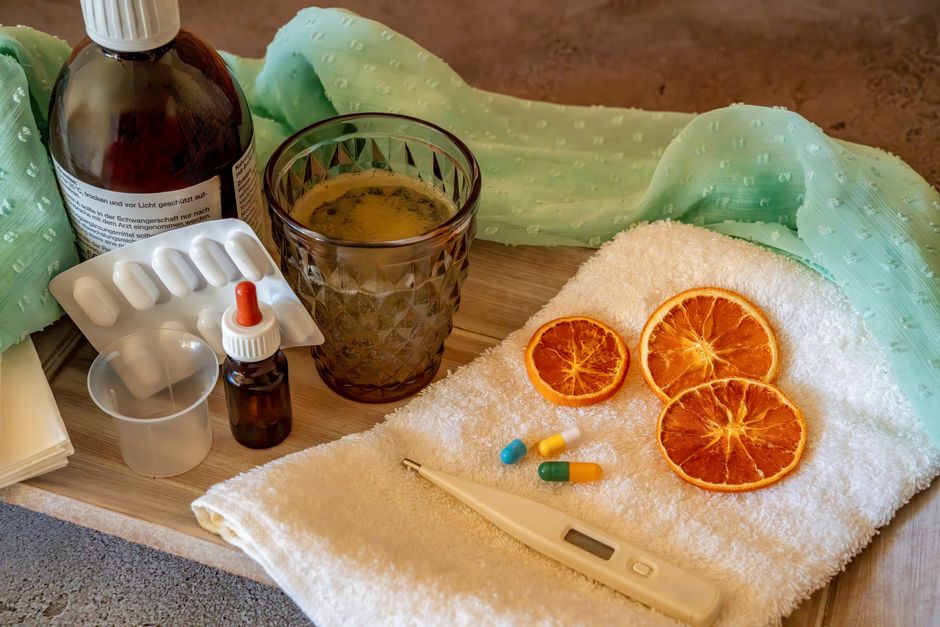
A canker sore can make eating, talking, and even drinking water feel like a chore. The good news is that most canker sores heal on their own within 1 to 2 weeks. While there is no true “cure” that makes them vanish overnight, you can speed up healing and reduce pain fast using simple home treatments like salt water rinses, over-the-counter gels, and avoiding irritating foods. The fastest relief comes from a combination of numbing the area and reducing inflammation, not from a single magic remedy.
What Actually Causes a Canker Sore?
Canker sores, also called aphthous ulcers, are shallow sores that form on the soft tissues inside your mouth. They are not the same as cold sores. Cold sores are caused by the herpes simplex virus and appear on the outside of the lips. Canker sores are not contagious and appear only inside the mouth.
The exact cause of canker sores is not fully understood. Research points to a combination of factors rather than a single trigger. Common triggers include minor mouth injuries, such as biting your cheek or brushing too hard. Stress and lack of sleep also appear to play a role for many people.
Certain foods can trigger canker sores in sensitive individuals. Acidic foods like citrus fruits, tomatoes, and pineapple are frequent culprits. Spicy foods and chocolate are also commonly reported triggers. Some research suggests that sodium lauryl sulfate, a foaming agent found in many toothpastes, may irritate the mouth lining and contribute to sores in some people, though the evidence is not conclusive.
Nutritional deficiencies can also be a factor. Some studies have linked canker sores to low levels of vitamin B12, iron, or folate. Hormonal changes, particularly in women, may also influence how often sores appear. If you get canker sores frequently, it is worth discussing these potential causes with your doctor.
How To Get Rid Of A Canker Sore At Home Fast
The fastest way to get rid of a canker sore is to start treatment the moment you feel it coming on. Many people feel a burning or tingling sensation a day or two before the sore appears. Starting treatment at that point can reduce the size and duration of the sore.
A salt water rinse is one of the most effective and accessible home treatments. Mix half a teaspoon of salt into a glass of warm water and swish it around your mouth for 30 seconds. Spit it out. Do this two to three times a day. The salt helps draw fluid out of the sore tissue, which can reduce swelling and speed healing. It also helps keep the area clean.
Baking soda rinses work in a similar way. Mix one teaspoon of baking soda in a half cup of warm water. Swish and spit. Baking soda can help neutralize acids in the mouth that irritate the sore.
Over-the-counter topical gels and ointments can provide fast pain relief. Products containing benzocaine or lidocaine numb the area temporarily. These are available at most drugstores. Apply the gel directly to the sore with a clean cotton swab. The numbing effect usually lasts for a few hours, which can make eating and drinking much more comfortable.
Ice can also help. Sucking on small ice chips or holding an ice cube against the sore can numb the area and reduce swelling. This provides temporary relief rather than speeding up healing, but it can make the discomfort manageable.
Honey is another option with some evidence behind it. Some research suggests that honey has antibacterial and anti-inflammatory properties that may help canker sores heal faster. Apply a small amount of raw honey directly to the sore several times a day. The evidence is limited, but honey is generally safe and unlikely to cause harm.
What Makes a Canker Sore Worse?
Certain habits and foods can make a canker sore more painful and slow down healing. Avoiding these can be just as important as applying treatments.
Acidic and spicy foods are the biggest culprits. Citrus fruits, tomatoes, vinegar-based dressings, and hot sauces will sting and can irritate the sore further. Salty snacks like chips and pretzels can also cause pain because the salt crystals can scrape against the sore.
Rough or crunchy foods like toast, nuts, and hard crackers can physically irritate the area. Soft foods are easier on the sore. Think mashed potatoes, yogurt, scrambled eggs, and smoothies.
Tobacco and alcohol can both irritate the mouth lining and slow healing. If you smoke or use chewing tobacco, this is a good reason to cut back, at least until the sore heals. Alcohol-based mouthwashes can also sting and delay recovery. If you use mouthwash, choose an alcohol-free version.
Continuing to brush aggressively over the sore will keep it irritated. Be gentle when brushing near the area. Use a soft-bristled toothbrush to reduce the risk of further injury.



When Should You See a Doctor?
Most canker sores do not require medical attention. They heal on their own within two weeks. But there are situations where you should see a doctor or dentist.
See a professional if a sore lasts longer than two weeks. Persistent sores can sometimes indicate a more serious condition. You should also seek medical advice if the sores are unusually large, if they spread to other parts of your mouth, or if you get them frequently.
Pain that is severe enough to interfere with eating or drinking is another sign to seek help. Difficulty swallowing or a fever along with mouth sores also warrants medical attention. Your doctor may prescribe a stronger topical treatment, an antimicrobial mouthwash, or in some cases, an oral medication.
If you have canker sores that keep coming back, tell your doctor. Frequent recurrences may point to an underlying condition such as an inflammatory bowel disease, a vitamin deficiency, or an immune system issue. These conditions need proper diagnosis and management.
How To Prevent Canker Sores From Coming Back
Prevention is not always possible because the exact cause is unknown. But you can reduce your risk of getting canker sores by identifying your personal triggers.
Keep a food diary to track what you eat before a sore appears. If you notice a pattern, try eliminating that food for a few weeks to see if your outbreaks decrease. Common triggers include chocolate, coffee, strawberries, eggs, cheese, and nuts. The list varies from person to person.
Protect your mouth from injury. Chewing carefully, especially when eating hard or sharp foods, can reduce the chance of accidental bites. If you wear braces or other dental appliances, ask your dentist about orthodontic wax to cover sharp edges that rub against the inside of your mouth.
Manage stress and prioritize sleep. Both stress and fatigue are linked to more frequent canker sores. This is not a guaranteed fix, but reducing stress and getting adequate rest may help reduce the frequency of outbreaks.
Review your toothpaste. If you suspect sodium lauryl sulfate is a trigger for you, switch to a toothpaste that does not contain it. Some people report fewer canker sores after making this change, but the evidence is not strong enough to recommend it for everyone.
Are There Any “Miracle” Remedies To Avoid?
The internet is full of home remedies for canker sores that have no evidence behind them. Some can actually make the problem worse.
Rubbing aspirin directly on a canker sore is dangerous. It can cause a chemical burn on the mouth tissue and does nothing to treat the sore. Swallowing aspirin for pain relief is standard, but never place it directly on the sore.
Applying hydrogen peroxide full-strength to the sore is also a bad idea. While diluted hydrogen peroxide is sometimes used in dental care, full-strength application can damage healthy tissue and delay healing. If you choose to use it, dilute it significantly with water, but a salt water rinse is safer and just as effective.
Some people recommend applying garlic directly to the sore. Garlic does have antimicrobial properties, but it also causes a strong burning sensation and can irritate the tissue further. The discomfort usually outweighs any potential benefit.
Vitamin E oil and aloe vera are sometimes suggested. These are unlikely to cause harm, but no strong evidence shows they speed up healing. If you want to try them, apply them sparingly and discontinue if they cause irritation.
Frequently Asked Questions
How long does a canker sore take to heal?
Most canker sores heal on their own within 1 to 2 weeks. Home treatments can reduce pain during that time but do not guarantee faster healing.
Is salt water or baking soda better for canker sores?
Both work similarly by cleaning the area and reducing inflammation. Salt water is more commonly used and easier to prepare with ingredients most people have at home.
Can toothpaste cause canker sores?
Some research suggests that sodium lauryl sulfate, a foaming agent in many toothpastes, may trigger sores in some people. Switching to a toothpaste without it is worth trying if you get frequent canker sores.
Are canker sores contagious?
No. Canker sores are not caused by a virus and cannot be passed to another person. Cold sores, which appear on the outside of the lips, are contagious.
