
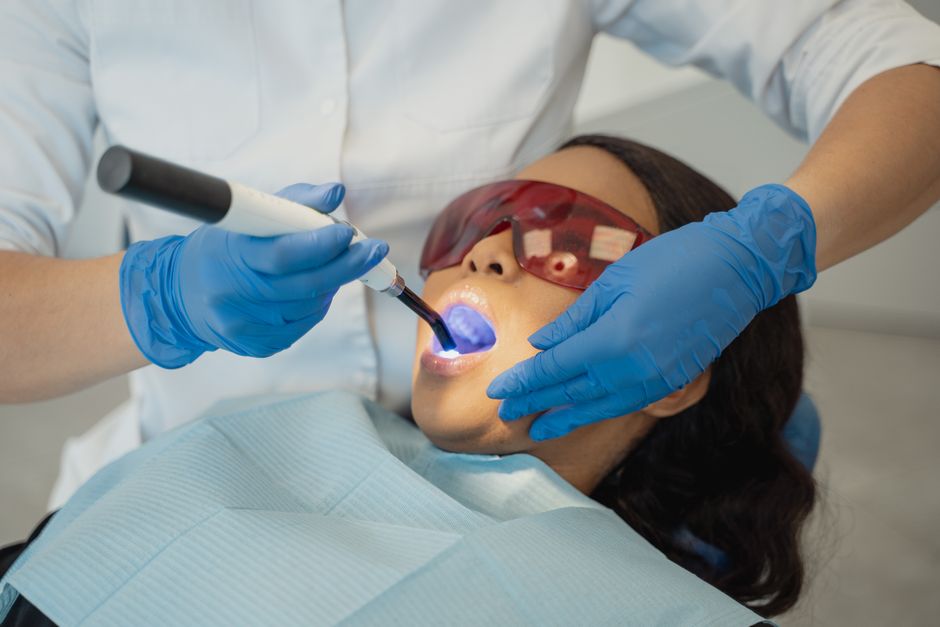
You cannot cure a cavity without a filling once it has broken through the enamel. At that stage, the tooth structure is permanently damaged and cannot regrow. However, you can stop a cavity in its earliest stage — before a hole forms — through a process called remineralization, which uses minerals like fluoride, calcium, and phosphate to rebuild weakened enamel.
Can a Cavity Heal Naturally?
Yes, but only under specific conditions. Tooth enamel is the hardest substance in the human body, but it is not living tissue. It cannot repair itself like skin or bone. What it can do is remineralize.
Your saliva constantly cycles minerals in and out of your enamel. When acids from bacteria and food attack your teeth, minerals leave the enamel. This is called demineralization. When the acid stops, minerals can go back in. That is remineralization.
If the demineralization outpaces remineralization, the enamel weakens. At first, this shows up as a white spot on the tooth. This is called an incipient lesion or a micro-cavity. At this stage, the damage is reversible. No filling is needed if you act quickly.
Once the enamel surface actually breaks — meaning a physical hole forms — the process is no longer reversible. The cavity has progressed past the point where minerals alone can rebuild the structure. A dentist must remove the decayed tissue and place a filling.
What Does Remineralization Actually Do?
Remineralization deposits calcium and phosphate ions back into the enamel crystal structure. Fluoride plays a critical role here. When fluoride is present, the new mineral formed is fluorapatite, which is stronger and more acid-resistant than the original hydroxyapatite in your enamel.
Think of it like this: your enamel is a crystal lattice. Acid pulls ions out, leaving tiny gaps. Remineralization fills those gaps back in. If the gaps are small enough, the enamel returns to full strength. If the gaps get too large, the lattice collapses and forms a cavity.
This is why fluoride toothpaste, fluoride treatments, and even fluoride in drinking water are so effective. They shift the balance toward remineralization. Studies have consistently shown that fluoride reduces cavity formation across populations.
How To Remineralize Early-Stage Cavities At Home
If your dentist has told you that you have a “spot” or an “incipient lesion,” here is what the evidence supports.
Use fluoride toothpaste. Brush twice daily with a toothpaste containing fluoride. Do not rinse your mouth with water immediately after brushing. Spit out the excess but leave the fluoride on your teeth. This allows it to keep working.
Consider a higher-strength fluoride toothpaste. Some toothpastes contain higher fluoride concentrations and are available over the counter. These are not prescription products. They simply deliver more fluoride to the enamel surface. Some research suggests they are more effective at remineralizing early lesions than standard toothpaste.
Limit sugar exposure. Sugar feeds the bacteria in your mouth. Those bacteria produce acid as a byproduct. Each time you eat sugar, your mouth stays acidic for about 20 to 30 minutes. Frequent snacking or sipping sugary drinks keeps your mouth in a constant acid bath. This prevents remineralization from ever catching up.
Chew sugar-free gum. Chewing stimulates saliva production. More saliva means more minerals available for remineralization. Some sugar-free gums contain xylitol, which has been shown in some studies to reduce cavity-causing bacteria. The evidence for xylitol is promising but not definitive. The saliva stimulation alone is helpful.
Watch your acid intake. Acidic drinks like soda, sports drinks, and citrus juices directly dissolve enamel. This is called erosion, and it is different from decay. Erosion removes the enamel surface itself. If you drink these, do so with meals rather than sipping throughout the day.





Do Natural Toothpastes Work?
Some natural toothpastes contain ingredients like hydroxyapatite, which is the same mineral your enamel is made of. Research on hydroxyapatite toothpaste is growing. Some studies suggest it can remineralize early lesions similarly to fluoride. The evidence is not as extensive as the evidence for fluoride, but it is legitimate.
Other natural toothpastes rely on ingredients like baking soda, coconut oil, or essential oils. Baking soda is mildly abrasive and can help remove surface stains. It does not remineralize enamel. Coconut oil pulling has been studied for reducing plaque and bacteria, but no strong evidence shows it reverses cavities. Essential oils like tea tree oil have antibacterial properties, but they do not rebuild enamel.
If you choose a natural toothpaste, check whether it contains fluoride or hydroxyapatite. If it contains neither, you are likely not getting meaningful remineralization benefits from the toothpaste itself.
What About Oil Pulling and Other Home Remedies?
Oil pulling involves swishing oil — usually coconut, sesame, or sunflower — in your mouth for 15 to 20 minutes. Proponents claim it removes toxins and cures cavities. The evidence does not support this.
Oil pulling may reduce plaque and improve gum health in some studies. But no clinical evidence shows it can remineralize enamel or heal a cavity. If you have an active cavity, oil pulling will not fix it. It is not a substitute for brushing, flossing, or dental treatment.
Other popular remedies include garlic, turmeric, and clove oil. Clove oil has real numbing properties and has been used in dentistry for toothache relief. It may temporarily reduce pain from a cavity. It will not cure the cavity itself. Garlic has antibacterial compounds, but no reliable evidence shows it treats cavities when applied to teeth.
Be cautious with any acid-based home remedy. Some people try applying lemon juice or apple cider vinegar to teeth, believing it will kill bacteria. These acids actually erode enamel and make cavities worse. Do not do this.
When Is It Too Late To Avoid A Filling?
If you feel pain, you are likely past the point of remineralization. Pain usually means the decay has reached the dentin, the layer beneath the enamel. Dentin is softer than enamel and decays faster. A cavity that reaches dentin requires a filling.
If you see a visible hole or dark spot, it is too late. If your tooth is sensitive to cold, sweet, or hot, it may be too late. If your dentist can catch the lesion with an explorer instrument, it is too late.
The only way to know for certain is to see a dentist. Early cavities are often invisible without X-rays. Many people have no symptoms at all until the cavity is well advanced.
Delaying treatment for a cavity that needs a filling carries real risks. The decay can spread deeper into the tooth, reaching the pulp where the nerves and blood vessels live. At that point, you will likely need a root canal instead of a simple filling. If the decay destroys too much of the tooth, extraction may be the only option.
Can Diet Prevent Cavities From Forming?
Diet is a major factor in cavity prevention. The bacteria that cause cavities feed on fermentable carbohydrates — sugars and refined starches. When you eat these, the bacteria produce acid. The more often you eat them, the more acid your teeth are exposed to.
It is not just the amount of sugar that matters. Frequency matters more. A single candy eaten after a meal is less harmful than the same candy eaten alone between meals. Your saliva needs time to neutralize the acid and remineralize the enamel.
Some foods may help. Cheese contains calcium and phosphate and stimulates saliva. Studies have shown that eating cheese after a sugary meal can reduce acid levels in the mouth. Crunchy vegetables like carrots and celery stimulate saliva and physically scrub tooth surfaces. Green tea contains compounds that may inhibit bacteria, though the evidence is not strong enough to make specific recommendations.
No food can reverse an existing cavity. Diet is a prevention tool, not a treatment.
What Does The Dentist Do For Early Cavities?
Dentists have options beyond fillings for early-stage decay. One common approach is fluoride varnish. This is a concentrated fluoride coating applied directly to the tooth. It releases fluoride over time and promotes remineralization.
Another option is sealants. These are thin plastic coatings applied to the chewing surfaces of back teeth. They physically block bacteria and food from reaching the grooves where cavities often form. Sealants are most commonly used on children’s teeth, but adults can benefit too.
Some dentists now use a treatment called silver diamine fluoride. This liquid is painted onto the cavity. It kills bacteria and hardens the affected area. It does not remove the decay, but it stops it from progressing. The downside is that it stains the cavity black. It is often used on baby teeth or for patients who cannot tolerate traditional fillings.
These treatments are clinical interventions, not natural remedies. But they are evidence-based options for avoiding a traditional filling in early-stage decay.
Frequently Asked Questions
Can you reverse a cavity once it has started?
Only if the cavity is still in the enamel layer and has not formed a physical hole. Once the enamel breaks, the damage is permanent and requires a filling.
How long does it take to remineralize a cavity?
Remineralization of an early lesion can take weeks to months, depending on the severity of the damage and your oral care routine. There is no guaranteed timeline because every case is different.
Does coconut oil pulling cure cavities?
No. Oil pulling may reduce plaque and bacteria, but no clinical evidence shows it can remineralize enamel or heal a cavity.
Is fluoride necessary for remineralization?
Fluoride is the most proven remineralization agent available, but hydroxyapatite toothpastes also show evidence of effectiveness. Without either, remineralization is slower and less reliable.
