
Straightening your teeth is a process that shifts them into better positions using braces, clear aligners, or other dental appliances. The right method depends on how crooked your teeth are, your age, and your lifestyle. Most people can achieve straighter teeth, but the time and cost vary widely depending on the treatment you choose.
What Are The Main Options For Straightening Teeth?
There are four main ways to straighten teeth today. Each works differently and suits different needs.
Traditional metal braces are the most common and often the most effective. Small metal brackets attach to each tooth, and a wire runs through them. Your orthodontist tightens the wire over time, which slowly moves your teeth. They work for almost any case, including severe crowding or rotation.
Ceramic braces work the same way but use tooth-colored brackets. They are less visible than metal but can stain if you do not care for them well. They cost a bit more and can be slightly more fragile.
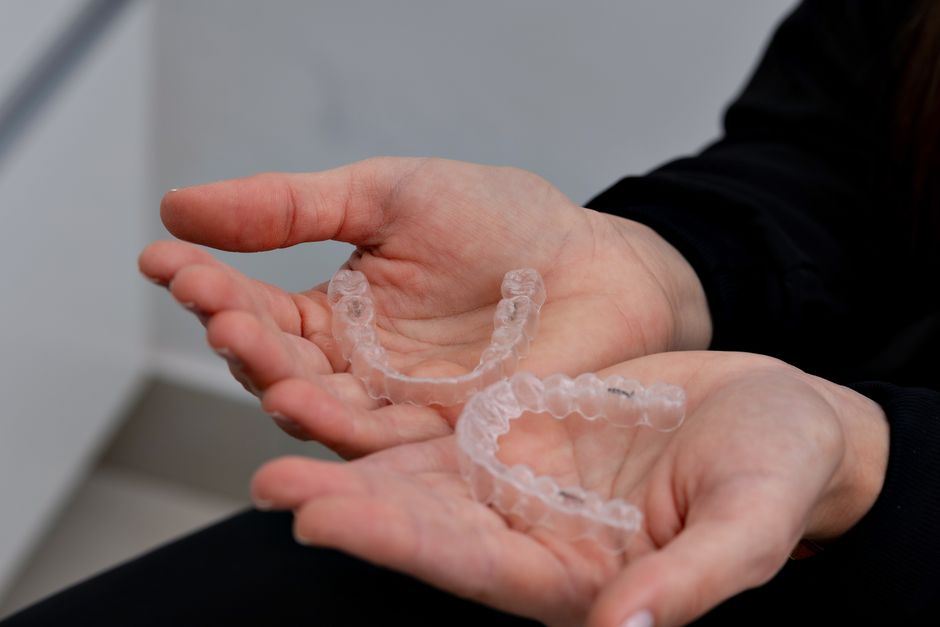
Clear aligners like Invisalign are a series of removable plastic trays. You wear each tray for about two weeks before switching to the next one. They are nearly invisible and you can take them out to eat and brush. They work best for mild to moderate crowding or spacing. They are not ideal for very complex tooth movements.
Lingual braces attach to the back of your teeth, so nobody can see them. They work well for many cases but are harder to clean and can be uncomfortable at first. They also tend to cost more than front-facing braces.
How Does The Tooth Straightening Process Work?
Teeth move because of a biological process called bone remodeling. When pressure is applied to a tooth, the bone on one side breaks down, and new bone forms on the other side. This happens slowly and steadily over months.
Your orthodontist applies gentle, continuous pressure to your teeth. The periodontal ligament — the tissue that holds each tooth in its socket — responds to that pressure. Cells called osteoclasts remove bone in front of the moving tooth, and cells called osteoblasts build new bone behind it. This is why moving teeth too fast is dangerous. The bone needs time to rebuild properly.
Most treatments last between 12 and 24 months. Complex cases can take longer. After your teeth reach their new positions, you will need a retainer. Retainers hold your teeth in place while the surrounding bone hardens and stabilizes. Without a retainer, your teeth will likely shift back toward their original positions.
How Much Do Teeth Straightening Options Cost?
Cost is a major factor for most people. Prices vary by location, provider, and case complexity.
| Treatment | Typical Cost Range | Treatment Time |
|---|---|---|
| Metal braces | $3,000 – $7,000 | 12 – 24 months |
| Ceramic braces | $4,000 – $8,000 | 12 – 24 months |
| Clear aligners (orthodontist-led) | $3,000 – $8,000 | 6 – 18 months |
| Lingual braces | $8,000 – $13,000 | 18 – 36 months |
| At-home aligner kits | $1,000 – $3,000 | 4 – 12 months |
Dental insurance often covers a portion of braces for children but rarely covers adult orthodontics. Many orthodontists offer payment plans. Health savings accounts and flexible spending accounts can also be used for orthodontic treatment.





Are At-Home Aligner Kits Safe?
At-home aligner kits are widely advertised and much cheaper than in-office treatment. They work by sending you a mold kit, then mailing you a series of aligners. No dentist or orthodontist supervises your treatment in person.
These kits can work for very mild cases of crowding or spacing. Some research suggests they are effective for simple tooth movement. However, there are real risks. If your teeth move incorrectly, you can bite down on a tooth that is now too high, which can cause pain and damage. You can also develop gum problems if your teeth shift in a way that changes how they fit together.
The American Association of Orthodontists has warned about at-home aligner treatment without professional supervision. Moving teeth is a medical procedure. X-rays are needed before treatment to check for hidden problems like impacted teeth, bone loss, or decay. Without an exam, these issues can go unnoticed and get worse during treatment.
If you choose an at-home kit, look for one that includes a dentist review of your scans before shipping aligners. Avoid any company that sends aligners without any professional check.
Do You Need To See An Orthodontist Or A Dentist?
Both can straighten teeth, but they have different training. An orthodontist completes dental school plus two to three extra years of residency focused only on tooth movement and jaw alignment. A general dentist can provide basic orthodontic treatment, but complex cases are better handled by an orthodontist.
Your dentist can tell you if your case is simple enough for basic treatment. They can also refer you to an orthodontist if needed. For severe crowding, bite problems, or jaw alignment issues, an orthodontist is the safer choice. They have more experience with difficult movements and can spot problems earlier.
Before starting any treatment, you should have a full dental exam with X-rays. This checks for cavities, gum disease, and bone health. Straightening teeth with untreated gum disease or decay can make those problems worse.
What Age Is Best For Straightening Teeth?
There is no single best age. The American Association of Orthodontists recommends that children have an orthodontic evaluation by age 7. At this age, an orthodontist can spot developing problems while the jaw is still growing. Early treatment can guide jaw growth and create space for permanent teeth.
However, most orthodontic treatment happens between ages 9 and 14, when most permanent teeth have come in. This is often the most efficient time because the jaw is still growing and teeth move more easily.
Adults can straighten their teeth at any age. There is no upper limit. The process takes longer in adults because their bone is denser and no longer growing. Adults also have a higher risk of root resorption — a condition where the tooth root shortens during movement. Your orthodontist will monitor this with periodic X-rays.
How To Care For Your Teeth During Treatment
Oral hygiene becomes more important during orthodontic treatment. Braces create many small spaces where food and plaque can hide. Poor cleaning during treatment can lead to permanent white spots on your teeth when the braces come off.
Brush after every meal using a soft toothbrush. Pay extra attention to the area around brackets and wires. Floss at least once a day using a floss threader or water flosser. Avoid sticky, hard, or chewy foods that can damage brackets. This includes caramels, popcorn, nuts, and hard candy.
With clear aligners, brush and floss after every meal before putting your aligners back in. Failing to do this traps food against your teeth, which increases your risk of cavities. Clean your aligners daily with a soft toothbrush and clear soap. Do not use hot water, which can warp the plastic.
What Happens After Treatment Ends?
When your braces come off or your aligner series finishes, your teeth are not permanently straight. The bone around your teeth is still soft and needs time to harden. Without retention, your teeth will drift back.
You will receive a retainer. Some retainers are removable plastic trays. Others are thin wires bonded to the back of your teeth. Most orthodontists recommend wearing a removable retainer full-time for the first few months, then at night indefinitely.
Teeth naturally shift with age, even without prior orthodontic treatment. Wearing your retainer as directed is the only way to keep your results. People who skip their retainer often see their teeth move within a year or two.
Frequently Asked Questions
How long does it take to straighten teeth?
Most treatments take 12 to 24 months. Mild cases with clear aligners can finish in 6 months, while complex cases may take 3 years or longer.
Can I straighten my teeth without braces?
Clear aligners are the main alternative to braces for mild to moderate cases. At-home aligner kits exist but carry higher risks because no professional supervises your treatment.
Does straightening teeth hurt?
You will feel pressure and soreness for a few days after each adjustment or aligner change. This is normal and usually manageable with over-the-counter pain relievers.
Will my teeth move back after treatment?
Teeth can shift back if you stop wearing your retainer. Wearing your retainer as directed is essential to keep your results long-term.
