
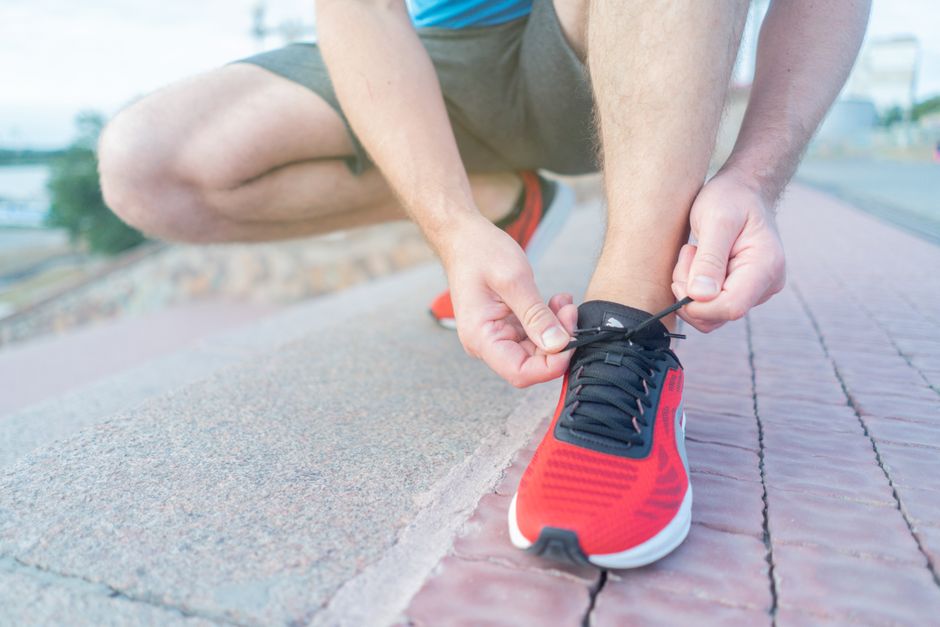
The bar lacing method creates a clean, horizontal line across your shoe, hiding the laces almost completely. It is a popular choice for dress shoes, oxfords, and any footwear where you want a polished, professional look. To straight lace your shoes using the bar method, you feed the lace horizontally across each pair of eyelets, creating a series of straight bars on the outside of the shoe while the diagonal crossovers are hidden on the inside.
What Is the Bar Lacing Method?
Bar lacing is a technique where the lace runs straight across each row of eyelets. Unlike the standard criss-cross method, there are no visible diagonal lines on the outside of the shoe. The result is a series of horizontal bars that look neat and symmetrical.
This style is often called “straight bar lacing” or “European lacing.” It is the standard lacing style for formal shoes because it looks intentional and refined. The laces stay flat against the shoe, which reduces pressure points across the top of your foot.
How To Straight Lace Shoes Bar Lacing Method: Step-by-Step
Start with the laces completely removed from the shoe. You will need both ends of the lace to be even in length.
Step 1: Insert each end of the lace into the bottom pair of eyelets. The lace should go from the outside of the shoe through to the inside. Both ends should now be inside the shoe, exiting through the bottom eyelets.
Step 2: Take the left lace end and bring it straight up to the second eyelet on the same side. Insert it from the inside of the shoe to the outside. Do the same with the right lace end. You now have a horizontal bar across the second row of eyelets.
Step 3: Cross the two lace ends on the inside of the shoe. The left lace end goes to the right side, and the right lace end goes to the left side.
Step 4: Bring each lace end straight up to the next eyelet on its new side. Insert each from the inside to the outside, forming another horizontal bar.
Step 5: Repeat the pattern. Cross the laces on the inside, then bring each end straight up to the next eyelet on the opposite side. Continue until you reach the top of the shoe.
The key detail is that the crossovers always happen on the inside of the shoe. The outside only shows the straight horizontal bars.
Why Choose Bar Lacing Over Criss-Cross?
The main advantage is appearance. Bar lacing looks cleaner and more formal than standard criss-cross lacing. It is the preferred method for dress shoes and business footwear.
There are also practical benefits. Because the laces lie flat, they distribute pressure more evenly across the top of the foot. Some people find this more comfortable than criss-cross lacing, especially if they have high arches or sensitive insteps.
Bar lacing also reduces lace wear. The laces do not rub against each other at a crossing point, so they tend to last longer. The friction that causes fraying is minimized because the laces only bend at the eyelets.





Common Mistakes and How To Avoid Them
The most common mistake is starting with the lace ends on the wrong side of the eyelets. Remember that the first insertion goes from the outside to the inside. If you start from the inside, the first bar will not form correctly.
Another mistake is pulling the laces too tight. Bar lacing should be snug but not tight. Over-tightening can distort the shape of the shoe and cause discomfort across the top of your foot.
Uneven lace lengths can also be a problem. If one end is longer than the other, you will run out of lace before reaching the top eyelets. Check that both ends are equal before you start. If they are not, adjust them before inserting into the bottom eyelets.
For shoes with an odd number of eyelet pairs, the bar lacing pattern still works. You will simply finish with the laces exiting from the top eyelets on opposite sides, ready for a bow.
Bar Lacing Variations for Different Shoe Types
The basic bar lacing method works for most shoes, but there are small adjustments you can make depending on the footwear.
Dress shoes: Use thin, flat laces for the best look. Round or thick laces can look bulky and disrupt the clean horizontal lines.
Sneakers: Bar lacing works on casual shoes too. It gives a minimalist look that some people prefer over the traditional criss-cross. You can use the same steps with any standard lace.
Boots: For boots with many eyelets, bar lacing can be time-consuming but the result is worth it. The straight bars create a structured look that complements the sturdy design of most boots.
Wide feet: If you have wide feet, bar lacing can help. The horizontal bars allow the shoe to open wider at the tongue compared to criss-cross lacing. This can relieve pressure on the sides of your feet.
How Bar Lacing Affects Fit and Comfort
Lacing style changes how a shoe fits. Criss-cross lacing pulls the two sides of the shoe together in a diagonal pattern. Bar lacing pulls them together horizontally.
This difference matters. Horizontal pulling can feel different across the instep. Some people find bar lacing more comfortable because it does not create the same diagonal tension lines across the top of the foot.
However, bar lacing is not ideal for every foot shape. If you have a very high instep, the horizontal bars may feel restrictive. The laces cannot adjust as flexibly as a criss-cross pattern. You may need to leave one eyelet pair unlaced to create more room.
For most people, bar lacing provides a secure fit with even pressure distribution. It is a good option if standard lacing causes discomfort or if you simply want a different feel.
How Long Does Bar Lacing Take?
Bar lacing takes slightly longer than criss-cross lacing. The extra step of crossing the laces on the inside of the shoe adds a few seconds per eyelet pair.
For a shoe with five or six pairs of eyelets, expect to spend about 30 to 60 seconds lacing the shoe. This is not a significant time cost, especially since you only lace the shoe once. After that, you simply loosen the laces to take the shoe on and off.
Once laced, the shoe holds its shape well. The laces stay in place and rarely need adjustment throughout the day.
Frequently Asked Questions
Does bar lacing work on all shoes?
Yes, bar lacing works on any shoe with eyelets. It looks best on dress shoes but also works on sneakers and boots.
How do I keep the laces from crossing on the outside?
Always cross the laces on the inside of the shoe. Feed each lace end straight up to the next eyelet on the opposite side without letting them cross outside.
Is bar lacing more comfortable than regular lacing?
Many people find it more comfortable because it distributes pressure evenly. The horizontal bars avoid the diagonal pressure points created by criss-cross lacing.
What type of laces work best for bar lacing?
Flat, thin laces work best. They lie flat against the shoe and create cleaner horizontal lines than round laces.
