
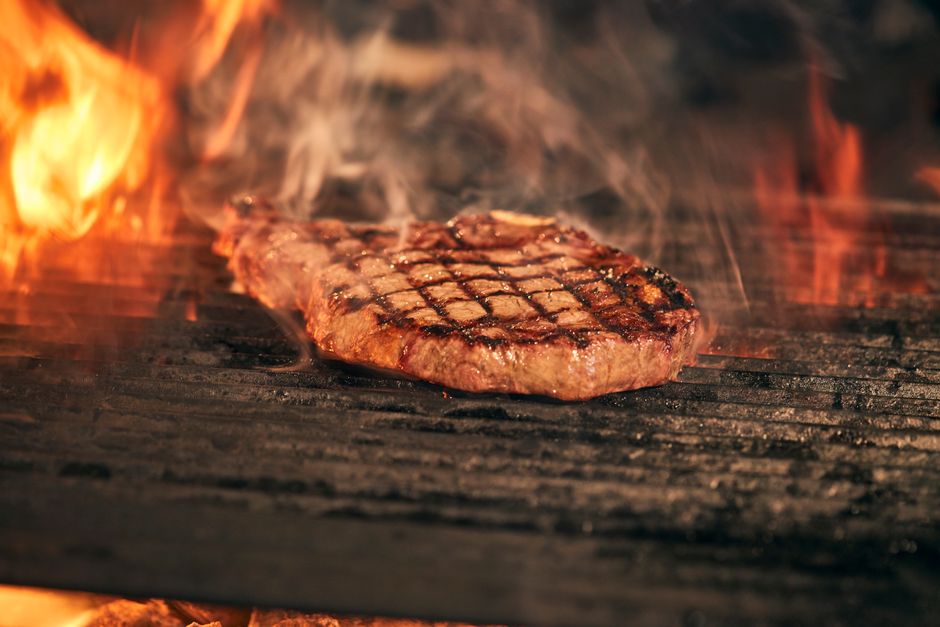
Steak can go bad quickly, and the signs are not always obvious. The most reliable way to tell if steak has gone bad is to trust your senses: a sour or ammonia-like smell, a sticky or slimy texture, and a dull gray or greenish color all mean the meat should be thrown away. When in doubt, throw it out—eating spoiled steak can cause serious food poisoning.
What Are the First Signs That Steak Has Gone Bad?
Fresh steak has a mild, metallic smell—not much of an odor at all. The first sign of spoilage is usually a change in smell. A sour, rancid, or ammonia-like odor means bacteria are multiplying and breaking down the meat.
Texture is the second thing to check. Fresh steak should feel moist but not slippery. If the surface feels sticky, tacky, or slimy, that is a clear sign of bacterial growth. This slime is not just surface moisture—it is a biofilm produced by bacteria. Rinsing it off does not make the meat safe.
Color changes are trickier. Fresh beef is cherry red because oxygen binds to a protein called myoglobin. A dark red or purple color is normal for vacuum-sealed steak. But if the meat turns gray, brown, or green, especially with a dull appearance, it is likely spoiled. Green is the most concerning—it suggests significant bacterial activity.
How To Tell If Steak Has Gone Bad: The Smell Test
Your nose is the most reliable tool you have. Spoiled steak develops a distinct sour or putrid odor as bacteria produce waste products. Some people describe it as similar to ammonia or rotten eggs.
Do not confuse the smell of marinade or seasoning with spoilage. If you are unsure, rinse the steak briefly under cold water and smell it again. A spoiled steak will still smell bad after rinsing. If it smells fine after rinsing, it is probably safe—but only if it has been stored properly.
A slightly “gamey” smell can be normal for aged beef, especially dry-aged cuts. Dry-aged steak has a concentrated, nutty, beefy aroma. This is different from the sharp, acrid smell of spoilage. If you are not familiar with dry-aged beef, ask your butcher what to expect before you buy it.
Check the Texture: Sticky or Slimy Means Spoiled
Touch the steak with clean, dry fingers. Fresh steak should be slightly tacky—like touching a piece of raw chicken—but not slippery. A slimy or sticky film on the surface is a reliable sign of spoilage.
This slime forms when bacteria multiply and produce a polysaccharide layer. It is a sign that the meat has been stored too long or at the wrong temperature. The slime cannot be washed off safely. Even if you trim the surface, bacteria may have penetrated deeper into the tissue.
Some people recommend pressing the steak with a finger. If the indentation remains and does not spring back, the meat is breaking down. This is a less reliable test than smell or slime, but combined with other signs, it supports the conclusion that the steak is past its prime.





Color Changes: When Red Turns Gray or Green
Color alone does not always tell you if steak is spoiled. Vacuum-sealed steak often looks purple or dark red because it has not been exposed to oxygen. Once you open the package, the meat should turn bright red within about 15 minutes as oxygen binds to myoglobin.
Gray or brown patches can be normal in some cases. If the steak has been exposed to oxygen for a few days, the surface can oxidize and turn brown, even while the interior remains safe. This is called oxidation, and it does not always mean the meat is spoiled.
Green is different. A greenish tint or green spots indicate significant bacterial growth. This is not safe to eat, regardless of how the rest of the meat looks. If you see any green on your steak, throw it away immediately.
How Long Does Steak Last in the Fridge?
Raw steak lasts about 3 to 5 days in the refrigerator when stored at or below 40°F (4°C). This applies to steaks from the butcher or grocery store that have been continuously refrigerated. Ground beef lasts less—only 1 to 2 days—because grinding exposes more surface area to bacteria.
Cooked steak lasts 3 to 4 days in the refrigerator. Leftover steak should be stored in a shallow container and refrigerated within 2 hours of cooking. If you leave cooked steak out at room temperature for more than 2 hours, bacteria can multiply to unsafe levels.
Freezing stops bacterial growth but does not kill bacteria. Steak can be frozen indefinitely and remain safe, but quality declines over time. For best texture and flavor, use frozen steak within 6 to 12 months. Freezer burn—dry, grayish patches from air exposure—does not make meat unsafe, but it does affect taste and texture.
Can You Eat Steak That Smells Slightly Off?
No. Any off odor is a warning sign. The bacteria that cause spoilage are the same types that can cause foodborne illness. Even if you cook the steak thoroughly, some bacterial toxins are heat-stable. This means cooking does not destroy all the harmful substances produced by bacteria.
Food poisoning from spoiled beef can cause nausea, vomiting, abdominal cramps, and diarrhea. Symptoms typically appear within 24 hours of eating contaminated meat. For most healthy adults, symptoms resolve within a few days. But for older adults, pregnant women, young children, and people with weakened immune systems, food poisoning can be severe and require hospitalization.
The cost of throwing away a steak is far less than the cost of a hospital visit. When in doubt, discard the meat. There is no reliable home test that can tell you whether spoiled meat is safe to eat after cooking.
What About Steak That Looks Fine but Tastes Bad?
Sometimes steak looks and smells fine but tastes off. This can happen with meat that has absorbed odors from other foods in the refrigerator. It can also happen with meat that is near the end of its shelf life but not yet fully spoiled.
If you cook a steak and it tastes sour, bitter, or otherwise unpleasant, stop eating it. Trust your taste buds. A bad taste can indicate the beginning of spoilage that your nose did not detect. Do not finish the steak to avoid wasting it—your health is worth more than the cost of the meat.
Some people describe spoiled beef as tasting “gamey” or “livery.” If your steak tastes significantly different from what you expect, it is safer to stop eating and discard the rest.
Is It Safe To Eat Steak Past Its Sell-By Date?
Sell-by dates are not safety dates. They indicate the last day the store should sell the product, not the last day it is safe to eat. A steak can be safe to eat 1 to 2 days past its sell-by date if it has been properly refrigerated and shows no signs of spoilage.
Use-by dates are more serious. This date indicates the last day the product is expected to be at peak quality. After the use-by date, the risk of spoilage increases significantly. Do not eat steak past its use-by date, even if it looks and smells fine.
The most important factor is how the steak has been stored, not the date on the package. Steak that has been left at room temperature for several hours is unsafe even if it is well within its use-by date. Steak that has been continuously refrigerated at the proper temperature is often safe for a day or two past the sell-by date.
How To Store Steak To Make It Last Longer
Proper storage extends the life of your steak. Keep raw steak in the coldest part of the refrigerator, usually the back of the bottom shelf. The temperature should be at or below 40°F (4°C). Use a refrigerator thermometer to verify the temperature—many home refrigerators run warmer than their settings suggest.
Store raw steak in its original packaging if it is leak-proof. If the package is torn or leaking, rewrap the steak in plastic wrap or aluminum foil and place it in a resealable bag. Keep raw meat on the bottom shelf to prevent juices from dripping onto other foods.
For longer storage, freeze steak as soon as possible after purchase. Wrap it tightly in freezer paper or plastic wrap, then place it in a freezer bag. Remove as much air as possible before sealing. Thaw frozen steak in the refrigerator, not on the counter. Never refreeze thawed raw steak—this increases the risk of bacterial growth.
Frequently Asked Questions
Can I cut off the bad parts of a spoiled steak and eat the rest?
No. Bacteria can spread throughout the meat even if only one area looks or smells bad. Trimming visible spoiled spots does not remove all the bacteria or their toxins, so the entire steak should be discarded.
Does cooking spoiled steak make it safe to eat?
No. Cooking kills bacteria, but it does not destroy all the toxins bacteria produce. These heat-stable toxins can still cause food poisoning even after the steak is thoroughly cooked.
Why does my steak smell like eggs?
An egg-like or sulfur smell indicates bacterial growth producing hydrogen sulfide gas. This is a clear sign of spoilage, and the steak should be thrown away immediately.
Is brown steak always bad?
No. Brown or gray patches can result from oxidation when meat is exposed to oxygen for several days. If the steak smells fine and feels normal, it is likely safe, but if brown color is paired with an off smell or slimy texture, discard it.
