
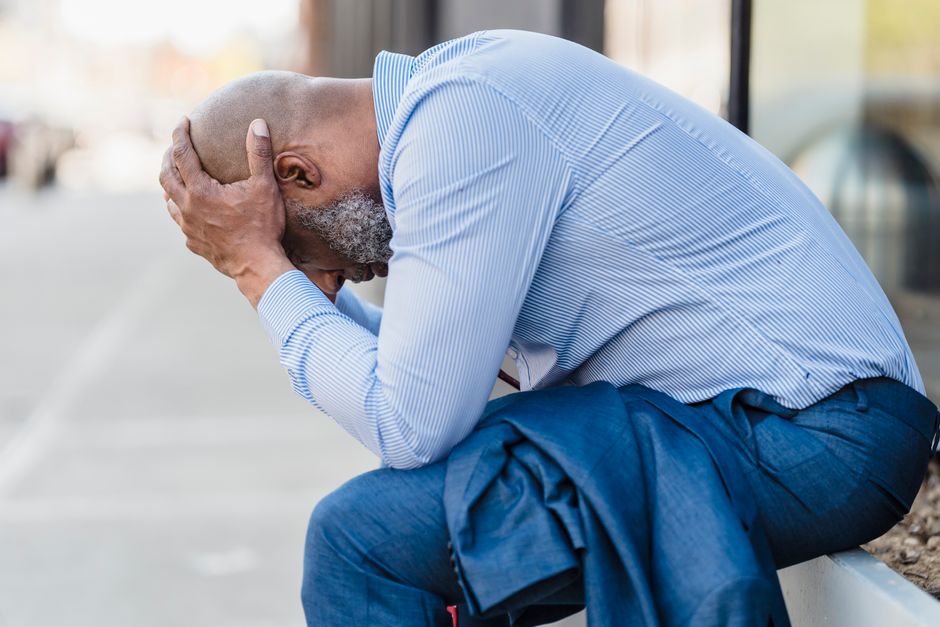
Stress can cause many digestive changes, but it does not directly cause black stool. Blood in the upper digestive tract is the most common cause of black, tarry stools. However, stress can contribute to conditions that lead to bleeding, such as stomach ulcers. Knowing the difference between a stress-related stool change and a true medical emergency is critical.
What Makes Stool Turn Black?
Black stool happens when blood is digested. Blood that travels through the stomach and small intestine turns dark and tarry by the time it exits the body. Doctors call this melena. It usually signals bleeding somewhere between the esophagus and the upper part of the small intestine.
Not all black stool is bleeding. Iron supplements, bismuth subsalicylate (the active ingredient in Pepto-Bismol), and black licorice can all darken stool. These causes are harmless and will resolve once you stop the trigger.
The key difference is texture and smell. Stool from bleeding is typically sticky, tarry, and has a distinctly foul odor. Stool darkened by food or supplements usually keeps a normal or firmer consistency.
Can Stress Directly Cause Black Stool?
No. Stress alone cannot turn stool black. There is no physiological pathway where psychological stress directly produces blood in the digestive tract.
What stress can do is increase stomach acid production and reduce blood flow to the stomach lining. This combination can irritate the stomach lining and worsen existing ulcers. If an ulcer begins to bleed, the result is black stool. The stress is an indirect contributor, not the direct cause.
Some research suggests stress may also increase the risk of developing peptic ulcers in the first place, though the primary cause of most ulcers remains the bacterium H. pylori or regular use of nonsteroidal anti-inflammatory drugs (NSAIDs) like ibuprofen or aspirin. Stress is a secondary factor that can make these conditions worse.
When Should You Worry About Black Stool?
Black stool from bleeding requires prompt medical attention. You should contact a doctor the same day if you notice black, tarry stool, especially if you have not taken iron or bismuth subsalicylate recently.
Seek emergency care immediately if black stool is accompanied by any of these signs:
- Dizziness or lightheadedness
- Rapid heartbeat
- Shortness of breath
- Pale skin
- Severe abdominal pain
- Vomiting blood or material that looks like coffee grounds
These symptoms suggest significant blood loss. Do not wait to see if they improve on their own. Blood loss from the upper digestive tract can become dangerous quickly, particularly in older adults or people with existing health conditions.





What Other Symptoms Might Accompany Stress-Related Digestive Issues?
Stress commonly affects digestion in ways that do not involve blood. Many people experience changes in stool color, consistency, or frequency during periods of high stress. These changes are not dangerous.
Stress can cause stool to appear pale or yellow because it speeds up transit time. When food moves through the intestines too quickly, bile does not have enough time to break down fully, which can lighten stool color. Stress can also cause diarrhea or constipation, bloating, and abdominal cramping.
These symptoms are uncomfortable but not emergencies. The distinction matters. Pale stool, loose stool, or constipation from stress does not require emergency care. Black, tarry stool does because it indicates bleeding.
What Are the Most Common Causes of Black Stool?
When a doctor evaluates black stool, they first rule out the harmless causes. Iron supplements are a common culprit. So is bismuth subsalicylate, found in many over-the-counter stomach remedies. Black licorice contains a compound that can also darken stool.
If those are not the cause, the doctor will look for bleeding. The most common sources are:
- Peptic ulcers in the stomach or duodenum
- Gastritis, or inflammation of the stomach lining
- Torn blood vessels in the esophagus, often from severe coughing or vomiting
- Esophageal varices, which are enlarged veins in the esophagus usually linked to liver disease
Regular use of NSAIDs is a leading cause of ulcer-related bleeding. Alcohol abuse can also irritate the stomach lining and increase bleeding risk. If you take blood thinners like warfarin or apixaban, your bleeding risk is higher.
How Do Doctors Diagnose the Cause of Black Stool?
A doctor will start with a medical history and physical exam. They will ask about medications, supplements, alcohol use, and any recent digestive symptoms. They may order blood tests to check for anemia, which suggests blood loss.
The most reliable test for upper digestive bleeding is an endoscopy. A thin, flexible tube with a camera is passed through the mouth into the stomach and upper small intestine. This allows the doctor to see the bleeding site directly and often treat it during the same procedure.
If the endoscopy does not find a source, the doctor may consider bleeding lower in the digestive tract. A colonoscopy can examine the large intestine for polyps, inflammation, or other sources of bleeding.
Can Stress Cause Stomach Ulcers That Bleed?
Stress can worsen existing ulcers, but it rarely creates them alone. The two main causes of peptic ulcers are H. pylori infection and long-term NSAID use. Both damage the protective mucus layer of the stomach, allowing acid to irritate the tissue underneath.
Once an ulcer exists, stress can make it worse. Stress increases gastric acid secretion and reduces blood flow to the stomach lining, which slows healing. A person under significant stress who already has an ulcer may experience more pain and a higher risk of bleeding.
Some research has explored whether stress independently increases ulcer risk. The evidence is mixed, but most gastroenterologists view stress as a contributing factor rather than a primary cause. If you have ulcer symptoms and high stress, addressing both is important.
What Does Stress-Related Stool Change Look Like Compared to Bleeding?
Stress-related stool changes usually involve consistency and frequency, not color. Diarrhea from stress is loose or watery but normal in color. Constipation from stress produces hard, difficult-to-pass stool that may be darker than usual because it spent more time in the colon.
True bleeding-related black stool is unmistakable in most cases. It is black like tar, sticky, and has a strong odor. Even a small amount of blood can produce this appearance because digestion changes the blood’s color and consistency.
If you are unsure whether your stool is black from bleeding or from another cause, a simple test can help. A doctor can test a stool sample for hidden blood. At-home tests are also available, but a medical evaluation is more reliable if you have symptoms.
How Is Bleeding-Related Black Stool Treated?
Treatment depends on the cause. If an ulcer is bleeding, the doctor may stop the bleeding during endoscopy and prescribe medication to reduce stomach acid. Proton pump inhibitors like omeprazole are commonly used to help ulcers heal.
If H. pylori is present, antibiotics are prescribed to eradicate the infection. If NSAIDs caused the ulcer, the doctor will advise stopping them. For severe bleeding, hospitalization and intravenous fluids or blood transfusions may be necessary.
The prognosis for ulcer-related bleeding is generally good with prompt treatment. Most people recover fully. Delaying care increases the risk of complications from blood loss.
When Should You See a Doctor for Stress-Related Digestive Symptoms?
You should see a doctor for black stool that is not explained by iron, bismuth subsalicylate, or black licorice. You should also see a doctor if you have persistent digestive symptoms from stress that interfere with eating, sleeping, or daily activities.
Stress-related digestive changes are common and treatable. Managing stress through exercise, adequate sleep, and relaxation techniques can help. If digestive symptoms persist despite stress management, a medical evaluation is warranted to rule out other causes.
Do not assume every digestive symptom is stress-related. Conditions like inflammatory bowel disease, celiac disease, and gastrointestinal cancers can produce symptoms that overlap with stress-related changes. A doctor can help distinguish between them.
Frequently Asked Questions
Can anxiety cause black stool?
No, anxiety does not directly cause black stool. Anxiety can worsen digestive conditions like ulcers that may bleed, but the black stool itself signals bleeding, not anxiety.
How long does black stool last after Pepto-Bismol?
Black stool from bismuth subsalicylate typically lasts for a few days after you stop taking it. If it persists longer than that, see a doctor.
Is black stool always serious?
No. Iron supplements, bismuth subsalicylate, and black licorice can cause harmless black stool. If you have not consumed these, black stool likely indicates bleeding and requires medical evaluation.
What does stress poop look like?
Stress often causes loose, watery stool or constipation, but the color usually remains normal. Black, tarry stool is not a typical stress response and should be evaluated by a doctor.
