
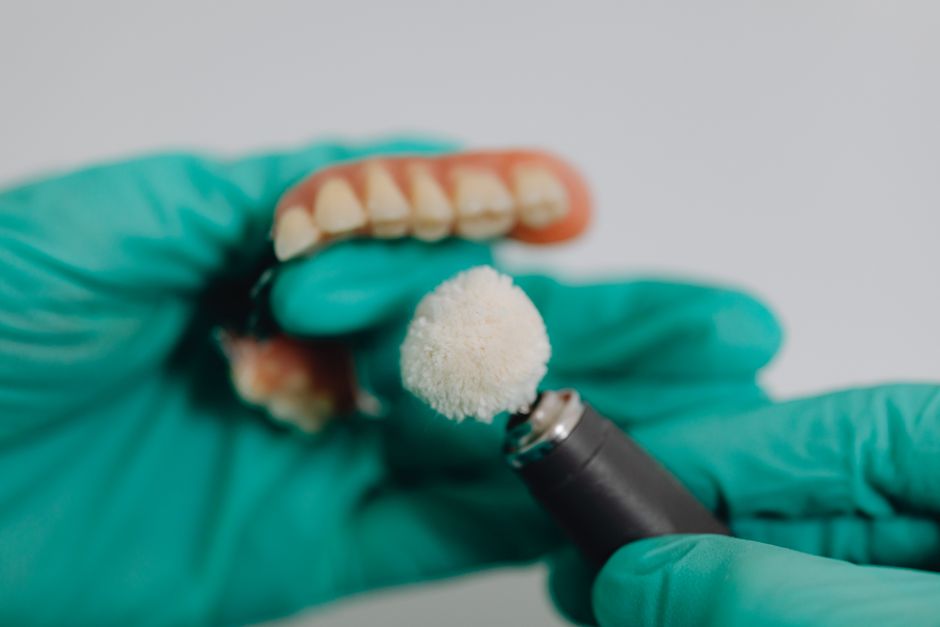
Storing dentures overnight is not complicated, but doing it wrong can warp, crack, or stain them. The single most important rule is to keep them moist. Dentures are made of acrylic resin that dries out and loses its shape when exposed to air for long periods. The safest method is to place them in a container of plain water or a denture soaking solution overnight. That simple habit prevents most overnight damage.
Why Do Dentures Need to Stay Wet Overnight?
Denture base material contains water. When that water evaporates, the material shrinks and can warp. A warped denture no longer fits properly. It can rub against your gums, cause sore spots, and make chewing uncomfortable.
Keeping dentures in liquid overnight prevents this drying process. It also helps remove food particles and bacteria that accumulate during the day. A dry denture left on a nightstand is the most common cause of avoidable damage.
Some people wonder if dentures are like natural teeth and need to “breathe.” They do not. Natural teeth are living tissue. Dentures are not. Moist storage is the standard recommendation from dental professionals.
What Is the Best Liquid for Storing Dentures?
Plain water is the simplest and safest option. It keeps the material hydrated without introducing any chemicals. Most dentists recommend plain water as the default choice.
Denture cleaning solutions are also acceptable for overnight soaking. These products are designed to kill bacteria and remove stains. However, they are not all the same. Some contain bleaching agents that can whiten the pink acrylic portion of the denture if used too often. If you use a soaking solution, follow the product instructions exactly. Rinse the denture thoroughly before putting it back in your mouth.
Never use hot water. Hot water can warp the acrylic resin permanently. Use cool or lukewarm water only.
Do not use toothpaste on dentures. Most toothpaste is too abrasive and creates microscopic scratches. Bacteria collect in those scratches. Use a soft denture brush and a denture cleaner or plain mild soap instead.
Choosing a Safe Storage Container
Any clean container with a lid works. A dedicated denture cup is convenient because it is clearly labeled and less likely to be confused with a drinking glass. This matters more than you might think. Dentures have been accidentally thrown away or poured down the drain when left in an unlabeled cup.
The container should be large enough that the denture rests flat without being squeezed or bent. Cramming a denture into a small container can distort its shape over time.
If you have a partial denture, the same rules apply. Keep it fully submerged overnight in a covered container. Partial dentures also have metal clasps. Those clasps can bend if the denture is handled roughly or stored improperly.





Should You Store Dentures Dry or in a Special Case?
Some denture cases are advertised as “dry storage” cases. These are not recommended for overnight storage. No clinical evidence supports dry storage as a safe alternative to wet storage. The acrylic material still needs moisture.
There is one exception worth noting. If your dentist specifically instructs you to store a denture dry for a short period — for example, before a reline or adjustment — follow their advice. Otherwise, keep it wet.
If you are traveling, you can use a small travel case designed for dentures. Fill it with water at your destination. Do not wrap dentures in a paper towel or tissue. This is a common habit, but it leads to accidental disposal. The white denture looks like a crumpled tissue.
How to Clean Dentures Before Overnight Storage
Cleaning before storage is just as important as the storage itself. Rinse the denture under cool water to remove loose food particles. Then brush it with a soft denture brush and a non-abrasive cleaner.
Do not use household cleaners, bleach, or harsh chemicals. These can damage the acrylic and leave toxic residues. A denture that smells like bleach is not safe to put in your mouth.
After brushing, rinse the denture again. Then place it in the storage container with fresh water or fresh soaking solution. Do not reuse soaking solution from the night before. It has already done its job and may contain dissolved debris.
Your gums also need attention. Brush your gums, tongue, and palate with a soft toothbrush before bed. This removes plaque and stimulates circulation. It is not part of denture storage, but it is part of keeping your mouth healthy with dentures.
What Happens If a Denture Dries Out?
If a denture sits dry for a few hours, it is usually fine. Rehydrate it by soaking in cool water for 30 minutes to an hour before wearing it again.
If a denture sits dry for days or weeks, it may warp permanently. A warped denture will not fit correctly. You might notice it feels loose, rocks side to side, or presses painfully in certain spots. Do not try to fix this yourself. Do not boil it, bend it, or use adhesives to force it into place. See your dentist.
In some cases, a warped denture can be relined or rebased. In other cases, a new denture is needed. The longer a denture stays dry, the more likely replacement becomes.
Are Denture Soaking Tablets Worth Using?
Effervescent denture cleaning tablets are a common product. They dissolve in water and create a bubbling solution that helps remove stains and kill bacteria. Some research suggests they are effective at reducing microbial buildup on dentures.
These tablets are not a substitute for brushing. They help with disinfection and stain removal, but they do not remove plaque effectively on their own. Use them according to the package directions, usually 15 to 30 minutes or overnight depending on the brand.
If you use a soaking tablet, rinse the denture well before putting it back in your mouth. Some people find the taste unpleasant if they skip the rinse.
Common Mistakes That Damage Dentures Overnight
Several habits cause avoidable damage. The most common include leaving dentures on a nightstand, using hot water, and wrapping them in tissue. All three are easy to fix.
- Leaving dentures dry: Acrylic shrinks and warps without moisture. Always store in liquid.
- Using hot water: Heat distorts the shape of the denture. Use cool or lukewarm water.
- Wrapping in tissue: Dentures look like paper when wrapped. They get thrown away.
- Using abrasive cleaners: Toothpaste and household scrubbers scratch the surface. Bacteria grow in scratches.
- Skipping the rinse before wear: Soaking solution can irritate your mouth if not rinsed off.
Avoiding these mistakes takes almost no effort. The payoff is a denture that fits well and lasts longer.
When to See Your Dentist About Denture Fit
Even with perfect overnight storage, dentures need professional care over time. Your jawbone changes shape as you age. A denture that fit perfectly five years ago may not fit well today.
See your dentist if you notice any of these signs: the denture feels loose, causes sores, clicks when you talk, or you have trouble chewing. Do not wait for the problem to become painful. A loose denture can rub your gums raw and make eating difficult.
Most dentists recommend a denture check-up at least once a year. During this visit, the dentist examines the fit and the condition of the acrylic. Early adjustments are far less expensive than a full replacement.
How To Store Dentures Overnight Without Damage: The Bottom Line
The routine is simple. Rinse the denture. Brush it gently. Place it in a labeled container with cool water or a denture soaking solution. Cover it. Leave it overnight. Rinse it before wearing it again.
That is the entire process. No special equipment is required. No expensive products are necessary. Plain water works perfectly well.
If you follow this routine every night, your dentures will stay clean, hydrated, and properly shaped. You will avoid the most common causes of denture damage and the cost and hassle of premature replacement.
Frequently Asked Questions
Can I store my dentures in plain water overnight?
Yes. Plain cool water is the safest and most recommended option for overnight denture storage. It keeps the acrylic hydrated without exposing it to any chemicals.
Is it bad to leave dentures out dry overnight?
Yes. A dry denture can warp, shrink, and lose its fit. Always store dentures in water or a denture soaking solution overnight.
Can I use hot water to clean my dentures?
No. Hot water can permanently warp the acrylic material. Use cool or lukewarm water only.
How long can dentures stay out of water?
A few hours is generally fine, but they should be soaked in cool water for 30 minutes before wearing again. If left dry for days, the denture may warp permanently and need professional repair or replacement.
