
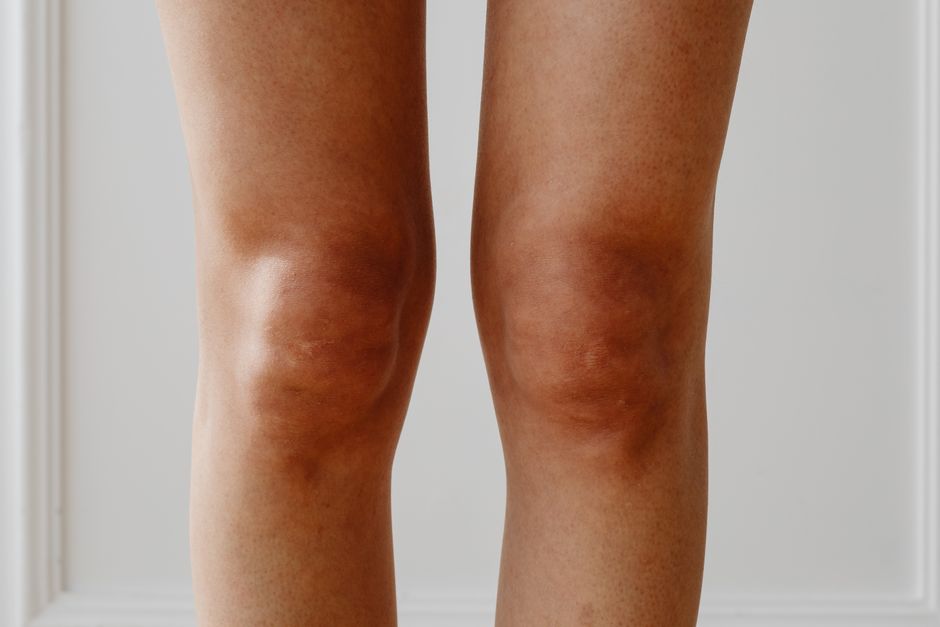
Knee pain stops many people from running, but the problem is usually not running itself. It is how people run, how fast they increase mileage, and what their body is ready for. The nine tips for running without hurting your knees focus on gradual load management, proper form, and strength work — not on avoiding running altogether. Research shows that most running-related knee pain is preventable with the right approach, and running can actually strengthen your knees over time when done correctly.
What Actually Causes Knee Pain in Runners?
The most common cause of knee pain in runners is patellofemoral pain syndrome. This is a fancy name for pain around or behind the kneecap. It affects about 25% of all runners, according to research published in the British Journal of Sports Medicine.
Contrary to what many people believe, knee pain is rarely caused by “wearing out” the joint. The Arthritis Foundation states that moderate running does not increase the risk of knee osteoarthritis. In fact, some studies suggest it may protect the knees by strengthening the muscles and cartilage around the joint.
The real culprit is usually a sudden increase in training load. When you run more miles, faster paces, or more days per week than your body has adapted to, the tissues around your knee get stressed. They become inflamed. That inflammation is what hurts.
Other factors include weak hip and glute muscles, poor running form, and inappropriate footwear. But the number one cause remains doing too much too soon.
How To Run Without Hurting Your Knees 9 Tips
Tip 1: Increase mileage slowly. The 10% rule is a good starting point. Do not increase your weekly mileage by more than 10% from one week to the next. Some experts now recommend even smaller increases for people with a history of knee pain.
Tip 2: Strengthen your glutes and hips. Weak hip muscles cause your knee to collapse inward when you land. This puts uneven stress on the kneecap. Exercises like clamshells, side-lying leg raises, and glute bridges directly address this.
Tip 3: Land softly. Aim for a midfoot strike rather than a heavy heel strike. A shorter stride with a higher cadence — around 170 to 180 steps per minute — reduces impact on your knees. You can check your cadence with a simple metronome app.
Tip 4: Run on softer surfaces when possible. Grass, dirt trails, and rubber tracks absorb more shock than concrete or asphalt. This does not mean you must avoid pavement entirely. Just mix in softer surfaces for some of your runs.
Tip 5: Wear the right shoes for your foot type. Go to a running specialty store where they watch you walk and run. Shoes that are too worn out or wrong for your foot shape can change your gait and stress your knees.
Tip 6: Warm up before you run. A 5-minute brisk walk followed by dynamic stretches — leg swings, walking lunges, high knees — prepares your muscles and joints for the impact of running.
Tip 7: Do not run through sharp pain. Dull ache that fades as you warm up is often okay. Sharp or stabbing pain during a run is a warning sign. Stop and walk. If the pain returns on your next run, take a rest day.
Tip 8: Add strength training twice per week. Squats, lunges, step-ups, and deadlifts build the muscles that support your knees. A 2019 study in the Journal of Orthopaedic & Sports Physical Therapy found that strength training reduced knee pain in runners by 50% over 8 weeks.
Tip 9: Listen to your body and take rest days. Your knees need time to recover between runs. Running every single day without rest is a recipe for overuse injury. Two to three rest days per week is normal and healthy.
What Does the Research Actually Say About Running and Knee Health?
The research is clearer than most people realize. A 2017 review in Arthritis Care & Research looked at over 100,000 runners and non-runners. It found that recreational runners had lower rates of knee osteoarthritis than sedentary people. Competitive runners had slightly higher rates, but still lower than the general population.
Another study from Stanford University tracked runners and non-runners for 21 years. The runners had less disability and lived longer. Their knees were not destroyed by running. They were healthier.
The mechanism is straightforward. Running compresses the cartilage in your knee, which stimulates the cells that produce lubricating fluid and maintain joint health. This is called mechanotransduction. When you run with proper form and gradual progression, your knees adapt and become stronger.
Where the research gets complicated is in people who already have knee arthritis or meniscus tears. For those individuals, high-impact running may accelerate joint damage. But for healthy knees, running is protective, not destructive.





How to Know If Your Running Form Is Causing Knee Pain
Poor running form is a major contributor to knee pain, but most runners cannot see themselves run. The simplest way to check your form is to have someone film you running on a treadmill from the side and from behind.
Look for these signs of problematic form:
- Your foot lands far in front of your body (overstriding). This creates a braking force that jolts your knees.
- Your knee collapses inward when your foot hits the ground. This indicates weak hip abductors.
- Your upper body leans too far forward or backward. This shifts your center of gravity and changes how your knees absorb force.
- You bounce up and down excessively. Vertical oscillation wastes energy and increases impact on your knees.
Fixing one or two of these form issues can dramatically reduce knee pain. A running coach or physical therapist can give you specific cues. Common cues include “run quieter,” “land under your hips,” and “imagine you are running on eggshells.”
One non-obvious insight: your cadence matters more than your foot strike. Research from the University of Wisconsin found that increasing cadence by just 5% reduced the load on the kneecap by 20%. You do not need to change your foot strike at all if you simply take quicker, shorter steps.
What to Do When Your Knee Already Hurts
If you already have knee pain, the first step is to figure out what kind of pain it is. Dull ache around the kneecap that comes on during a run and fades after is typical of patellofemoral pain. Sharp pain on the inside or outside of the knee may indicate a different issue like IT band syndrome or a meniscus problem.
Rest is the most effective short-term treatment. Take 3 to 7 days off from running. Cross-train with swimming, cycling, or elliptical work to maintain fitness without pounding your knees. Ice the painful area for 15 minutes after any activity.
Anti-inflammatory medications like ibuprofen can help with acute pain, but they are not a long-term solution. They mask symptoms without addressing the underlying cause. The American Academy of Orthopaedic Surgeons recommends using them sparingly and only for a few days.
Once the acute pain subsides, start a strengthening program focused on your hips, glutes, and quadriceps. A 2020 study in The American Journal of Sports Medicine found that a 6-week strengthening program eliminated knee pain in 70% of runners who completed it.
If the pain does not improve after two weeks of rest and strengthening, see a physical therapist. They can assess your specific mechanics and prescribe targeted exercises. Do not ignore persistent knee pain hoping it will go away on its own.
Common Myths About Running and Knee Pain
Myth: Running ruins your knees. This is the most persistent myth in all of fitness. As discussed above, the evidence shows the opposite. Moderate running strengthens knees. The myth persists because runners who get knee pain blame running itself, when the real cause is usually poor training habits.
Myth: You need special shoes to fix knee pain. Shoes matter, but they are not a cure. A 2018 study in the British Journal of Sports Medicine found no difference in injury rates between runners who wore stability shoes and those who wore neutral shoes. The right shoe is the one that feels comfortable and fits well.
Myth: You should run through knee pain to toughen up your joints. This is dangerous. Pain is a signal from your body that something is wrong. Running through sharp pain can turn a minor irritation into a serious injury that takes months to heal.
Myth: Knee pain means you are done with running forever. Most runners who experience knee pain can return to running with proper treatment. A 2021 survey in Sports Health found that 85% of runners with patellofemoral pain were back to running within 12 weeks after starting a structured rehab program.
| Running Surface | Impact on Knees | Best Use |
|---|---|---|
| Grass | Lowest impact | Easy recovery runs |
| Dirt trail | Low impact | Daily training |
| Rubber track | Moderate impact | Speed work |
| Asphalt | Higher impact | Road races |
| Concrete | Highest impact | Avoid when possible |
Frequently Asked Questions
Can running cause permanent knee damage?
No, running does not cause permanent knee damage in healthy people. Research shows that moderate running actually strengthens knee cartilage and reduces the risk of osteoarthritis.
How long should I rest if my knee hurts from running?
Rest for 3 to 7 days from running. If the pain does not improve after two weeks of rest and strengthening exercises, see a physical therapist.
Is it better to run on a treadmill or outside for knee pain?
Treadmills have slightly more give than asphalt, making them gentler on knees. But running outside on soft trails is even better. The surface matters less than your form and how much you run.
Do knee sleeves or braces help prevent running injuries?
Knee sleeves may provide some compression and warmth that feels good, but there is no strong evidence they prevent injuries. They are not a substitute for proper training and strength work.
