
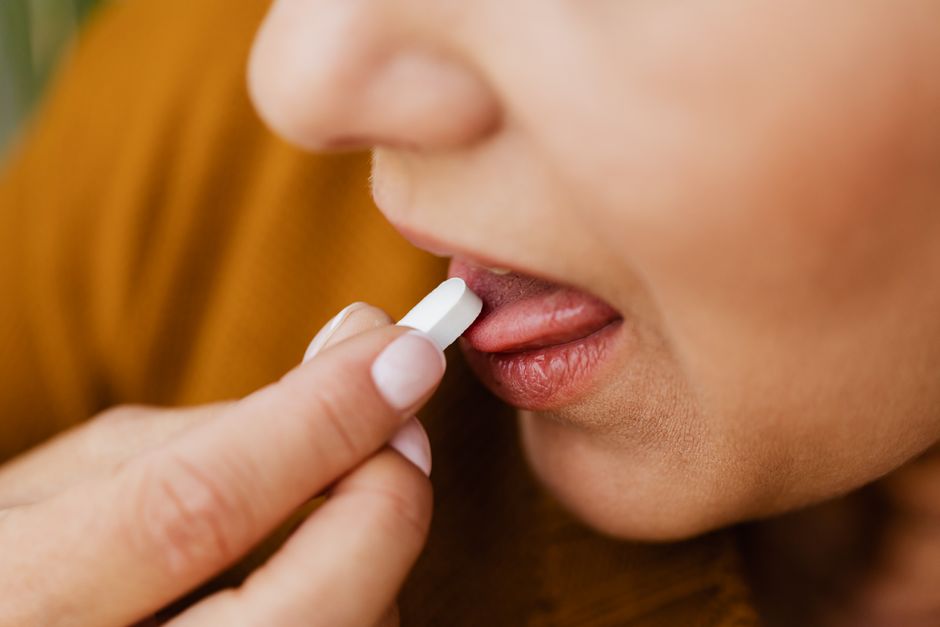
Watery mouth — the sudden flood of saliva that makes you swallow hard or reach for a napkin — is usually your body reacting to something specific. The most common triggers are the smell or thought of food, nausea, acid reflux, and pregnancy. Most cases settle on their own or improve once you address the cause, but a few situations need a doctor’s attention.
Saliva itself is not the problem. You produce it constantly, and it does important work: it starts breaking down food, protects your teeth, and keeps your mouth comfortable. The issue is when production jumps or when swallowing slows down, so saliva builds up faster than you can clear it.
What Actually Causes a Watery Mouth?
Saliva comes from three pairs of major glands plus hundreds of minor ones scattered around your mouth. The average person makes roughly 1 to 1.5 liters of saliva a day, mostly between meals at a slow baseline rate. When that rate spikes, you notice it.
The reflex is controlled by your autonomic nervous system — the same system that manages heart rate and digestion. Two branches matter here. The parasympathetic branch ramps saliva up, especially before and during eating. The sympathetic branch, which kicks in during stress or fear, can also trigger a sudden flow. That is why a wave of nausea or anxiety can leave your mouth watering even when no food is in sight.
Common triggers include:
- The sight, smell, or even the thought of food — a normal conditioned response
- Nausea from any cause, including motion sickness, infection, or medication
- Acid reflux and gastroesophageal reflux disease (GERD)
- Pregnancy, particularly in the first trimester
- Dental problems such as cavities, gum disease, or ill-fitting dentures
- Infections in the mouth or throat
- Certain medications, including some that treat psychiatric conditions and Alzheimer’s disease
- Damage to nerves that control swallowing, as can happen after a stroke
One point worth separating out: true excess saliva production (called sialorrhea or ptyalism) is different from a swallowing problem. In many people who complain of a watery mouth, the glands are working normally — the trouble is that saliva is not being cleared efficiently. This distinction matters because it changes what will actually help.
How To Stop Watery Mouth: Causes And Remedies That Work
The right fix depends on what is driving it. There is no single remedy that covers every cause, so match your approach to the trigger.
If food or food thoughts set it off: This is normal physiology, not a disorder. Chewing sugar-free gum or sipping water can help you swallow more often and clear the buildup. There is nothing to treat.
If nausea is the cause: Address the nausea first. Small, bland meals, ginger, and avoiding strong smells help some people. If nausea is persistent or comes with vomiting, see a doctor — it can signal something that needs treatment.
If reflux is the cause: Reflux often triggers a reflex that increases saliva as a protective response. Avoiding large meals close to bedtime, cutting back on alcohol and caffeine, and elevating the head of your bed are standard steps. If symptoms persist, a doctor may recommend medication.
If a medication is the cause: Do not stop a prescribed medication on your own. Talk to your prescriber about whether a dose change or an alternative is appropriate. Some drugs used for dementia and psychiatric conditions are well known to increase saliva, and clinicians sometimes adjust treatment with that in mind.
If swallowing is the problem: This needs medical evaluation. A speech-language pathologist can assess swallowing and recommend exercises or strategies. This is not something to manage by reducing fluids, which can cause dehydration.
A few general measures help in many cases:
- Sip water frequently rather than drinking large amounts at once
- Swallow deliberately and often when you feel a buildup
- Chew sugar-free gum to prompt regular swallowing
- Limit alcohol, which can irritate the mouth and throat
- Keep up good dental care, since oral problems can drive saliva changes
What does not work: there is no evidence that cutting back on drinking water reduces saliva production in a helpful way. In fact, dehydration tends to make saliva thicker and can worsen mouth discomfort. No clinical evidence currently confirms most over-the-counter “dry mouth” or “saliva control” products marketed for excess saliva.
When Is a Watery Mouth a Sign of Something Serious?
Most watery mouth is harmless and short-lived. A few patterns deserve a medical visit.
See a doctor if you have:
- Difficulty swallowing, or a feeling that food gets stuck
- Drooling that you cannot control, especially if it is new
- Sudden weakness, facial drooping, or trouble speaking — these are stroke symptoms and require emergency care
- Persistent nausea, vomiting, or unexplained weight loss
- Heartburn that does not improve with standard measures
- Symptoms that began after starting a new medication
The combination of drooling plus weakness on one side of the face or body, or slurred speech, is a medical emergency. Call emergency services immediately. Do not wait to see if it passes.
In older adults, new drooling or a watery mouth can reflect changes in swallowing that raise the risk of choking or aspiration. That is worth a prompt evaluation rather than watchful waiting.




Watery Mouth During Pregnancy: What Helps
Excess saliva is a recognized symptom of pregnancy, most often in the first trimester, and it frequently travels with morning sickness. It usually eases as pregnancy progresses, though for some people it lasts longer.
The same general measures apply: frequent small sips of water, sugar-free gum or hard candy, and bland meals. If nausea is severe, tell your doctor. There are treatments for pregnancy nausea, but they should be managed by a clinician — no clinical guidelines support self-treating this with any specific over-the-counter remedy, so get medical guidance.
Does Anxiety or Stress Cause a Watery Mouth?
Yes, it can. Stress activates the sympathetic nervous system, and that branch can trigger a sudden rush of saliva. Many people notice this before a speech, an exam, or a difficult conversation.
It is usually brief and resolves when the stressful moment passes. If anxiety is frequent and disruptive, the watery mouth is a symptom rather than the main problem — treating the anxiety is what helps. Slow breathing and grounding techniques can reduce the acute response for some people. The evidence for any single technique is limited, so treat these as reasonable options rather than proven fixes.
What About Bad Taste or Metallic Taste With It?
A watery mouth sometimes comes with a metallic or odd taste. This combination points toward a few possibilities: reflux, a sinus or throat infection, certain medications, or pregnancy. It can also follow dental work or a mouth injury.
If a bad taste and excess saliva persist for more than a couple of weeks, or come with pain, fever, or swelling, get it checked. An exam can usually sort out whether the cause is dental, infectious, or reflux-related. Do not assume it will resolve on its own if it is not improving.
Frequently Asked Questions
Why does my mouth suddenly water for no reason?
Sudden watering is usually a reflex triggered by nausea, the thought or smell of food, reflux, or stress. If it happens often or comes with trouble swallowing, get it evaluated.
How do I stop excess saliva quickly?
Swallow deliberately, sip water, and chew sugar-free gum to prompt regular swallowing. These help manage the buildup but do not treat the underlying cause.
Is a watery mouth a sign of pregnancy?
Excess saliva is a recognized pregnancy symptom, most often in the first trimester, and commonly occurs alongside nausea. It usually eases as pregnancy continues.
When should I see a doctor for a watery mouth?
See a doctor if you have difficulty swallowing, uncontrolled drooling, persistent nausea, or symptoms that started after a new medication. Sudden drooling with facial weakness or slurred speech is an emergency — call for help right away.
