
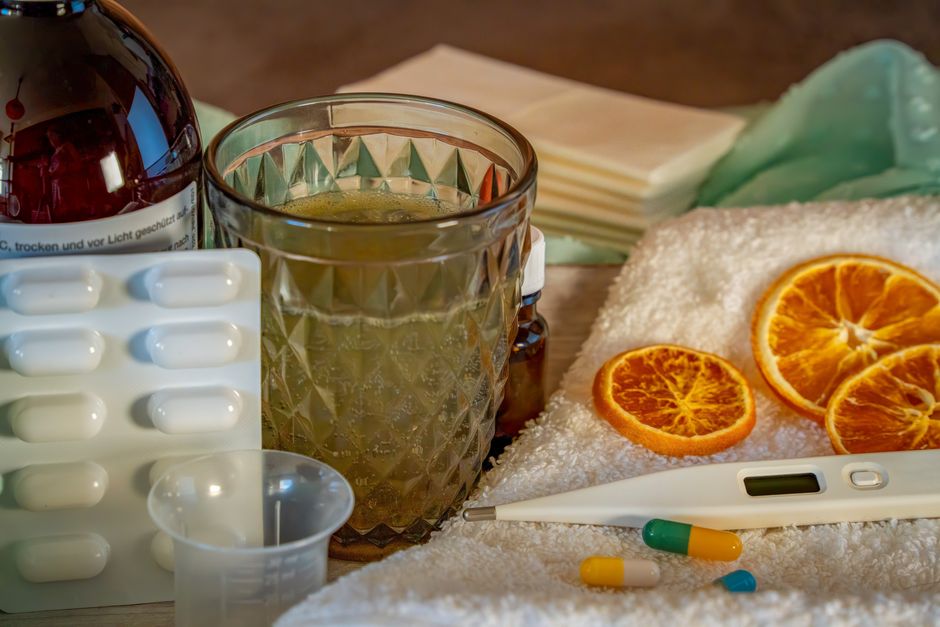
A fever is your body’s deliberate response to infection, not a malfunction that needs to be shut down. For most healthy adults and children, the goal of home care is comfort and safety while the immune system does its job — not forcing the number on the thermometer back to normal. Rest, fluids, light clothing, and a room that isn’t overheated are the core of natural fever care. Fever-reducing medicine is an option for discomfort, not a requirement for every elevated temperature.
What Actually Counts as a Fever?
A fever is generally defined as a body temperature of 100.4°F (38°C) or higher. Normal body temperature sits around 98.6°F (37°C), but that figure is an average, not a fixed target. Temperature drifts through the day, running lower in the early morning and higher in the late afternoon and evening.
How you measure matters too. Rectal readings run slightly higher than oral readings, and oral readings run higher than armpit (axillary) readings. Ear and forehead thermometers vary by device and technique. This is why a number alone doesn’t tell the whole story — how the person looks and acts matters just as much.
It helps to separate fever from hyperthermia, because they are not the same thing. Fever is a controlled rise in the body’s internal thermostat, triggered by the immune system. Hyperthermia — from heat stroke or certain drugs — is an uncontrolled rise where the body cannot cool itself. Home fever remedies apply to fever. Hyperthermia is a medical emergency and is not treated the same way.
Why Does the Body Raise Its Temperature?
When the immune system detects an infection, it releases signaling molecules called cytokines. These travel to the hypothalamus — the brain’s thermostat — and tell it to raise the body’s target temperature. Muscles shiver to generate heat, and blood vessels near the skin narrow to conserve it. That is why a person often feels cold and shivers at the start of a fever, even as their temperature climbs.
That higher temperature is not random. It can make the body a less hospitable environment for some pathogens and can support certain immune functions. This is the key reason clinicians often focus on treating the person’s comfort rather than chasing the number. A fever that is causing no distress may not need to be lowered at all.
Once the infection is brought under control, the hypothalamus resets to normal. The body then sheds heat — through sweating and widened blood vessels — and the fever breaks. That breaking point is a normal part of the process, not a sign that something went wrong.
How To Get Rid Of A Fever Naturally With Home Remedies
Natural fever care rests on supporting the body while it does its work. None of these methods “cure” the underlying infection. What they do is help a person stay comfortable and avoid complications like dehydration while the illness runs its course.
Rest is the foundation. Physical activity raises body temperature and pulls energy away from immune activity. Quiet rest in a comfortable room supports recovery without adding heat the body has to manage.
Fluids are the single most important home measure. Fever increases fluid loss through sweating and faster breathing. Water, broth, and oral rehydration solutions all help. Watch for signs of dehydration: dry mouth, dark urine, fewer trips to the bathroom, or no tears when crying in a child.
Light clothing and a light blanket let heat escape. Heavy blankets and bundling trap heat and can push a temperature higher. Dress the person in a single layer and add or remove covers based on whether they feel cold or hot.
A comfortably cool room helps too. A fan moving air and a room that isn’t stuffy can make a person more comfortable. Avoid directing cold air straight onto someone who is shivering.
Sponge baths with lukewarm water can help some people feel better. The evidence for actually lowering core temperature this way is limited, and cold water or alcohol rubs should be avoided — they can cause shivering, which raises temperature, and alcohol can be absorbed through the skin. If a sponge bath makes the person more uncomfortable, stop.
None of these measures shorten the illness itself. They manage comfort and reduce the risk of dehydration, which is the main practical danger of a fever in an otherwise healthy person.





Should You Use Fever-Reducing Medicine?
Fever-reducing medicine is not required for every fever. The decision usually comes down to discomfort and the person’s overall condition, not the specific number on the thermometer. A comfortable person with a fever of 102°F may need nothing. A miserable person with a lower fever may benefit from treatment.
When medicine is used, two options are common: acetaminophen and ibuprofen. Both are available over the counter and both lower fever. They work differently and have different safety considerations.
- Acetaminophen is generally the preferred option for people who cannot take ibuprofen, but exceeding the recommended dose can cause serious liver injury. It is present in many combination cold and flu products, so accidental double-dosing is a real risk.
- Ibuprofen is a nonsteroidal anti-inflammatory drug (NSAID). It can irritate the stomach and is generally avoided in people with kidney problems, stomach ulcers, or certain other conditions.
- Aspirin should not be given to children or teenagers with a viral illness because of the risk of Reye’s syndrome, a rare but serious condition.
Follow the dosing instructions on the product label exactly. Do not alternate or combine fever reducers unless a clinician advises it. And remember: these medicines treat the symptom, not the cause. They will not shorten an infection.
When Is a Fever a Medical Concern?
Age and symptoms matter more than the exact temperature for most decisions. Certain situations call for medical care rather than home management.
- Infants under 3 months with any fever of 100.4°F (38°C) or higher need prompt medical evaluation. Their immune systems are immature, and serious infections can present with few other signs.
- Children who are very lethargic, hard to wake, have trouble breathing, have a stiff neck, a rash that doesn’t fade when pressed, or a seizure need urgent care.
- Adults with a fever above 103°F (39.4°C) that does not respond to treatment, or a fever lasting more than a few days, should be evaluated.
- Anyone who is immunocompromised, pregnant, recently hospitalized, or has a chronic illness should check with a clinician early.
A fever that comes with confusion, chest pain, severe headache, or difficulty breathing is a reason to seek care regardless of the number. So is a fever in someone who looks genuinely unwell, no matter how high it is.
What About Fevers in Children Specifically?
Children get fevers often, and most are caused by common viral infections that resolve on their own. The same home measures apply: fluids, rest, light clothing, and comfort. The main difference is that children dehydrate faster and can become uncomfortable more quickly.
Watch how the child is acting, not just the temperature. A child who is drinking, urinating normally, and alert between fever spikes is usually doing fine with home care. A child who is listless, refusing fluids, or not producing urine needs medical attention.
Do not give aspirin to children or teens. For fever in children, acetaminophen or ibuprofen are the standard options when medicine is needed, dosed by weight per the label or a clinician’s guidance. Never give a child an adult dose.
Febrile seizures can occur in young children with fever. They are frightening to watch but most are brief and not harmful on their own. Any child who has a seizure with a fever should still be evaluated by a clinician.
Common Fever Myths That Don’t Hold Up
Several widely repeated ideas about fever are not supported by evidence.
“Feed a cold, starve a fever” has no scientific basis. The body needs energy and fluids during illness. Restricting food does not help and may make things worse. Offer food if the person is hungry, and prioritize fluids regardless.
“A high fever always means a serious illness.” Temperature alone is a poor predictor of severity. Some mild viral illnesses cause high fevers, and some serious infections cause low ones. How the person looks and acts is a better guide.
“You must break the fever to get better.” Fever is part of the immune response, not an enemy to defeat. Lowering it for comfort is reasonable. Believing it must be eliminated is not.
“Alcohol rubs cool the body safely.” They don’t. Alcohol can be absorbed through the skin, especially in children, and can cause serious harm. This method should never be used.
Understanding what fever is — and what it isn’t — makes home care simpler and less stressful. The goal is a comfortable, well-hydrated person while the body handles the underlying cause.
Frequently Asked Questions
How long does a fever usually last?
Most fevers from common viral infections last two to three days, though some last longer depending on the cause. A fever lasting more than a few days in an adult or child should be evaluated by a clinician.
Should I let a fever run its course or treat it?
You can let a mild fever run its course if the person is comfortable and drinking fluids. Treat it if the fever is causing significant discomfort, since the goal of home care is comfort and safety rather than a specific number.
Can a fever go away on its own without medicine?
Yes. Many fevers from minor infections resolve on their own as the immune system clears the cause. Rest and fluids support that process, and medicine is optional for comfort.
When should I go to the ER for a fever?
Go to the ER for a fever in an infant under 3 months, a fever with confusion, breathing trouble, a stiff neck, a non-fading rash, or a seizure. Adults with a fever above 103°F that does not respond to treatment should also seek care.
