
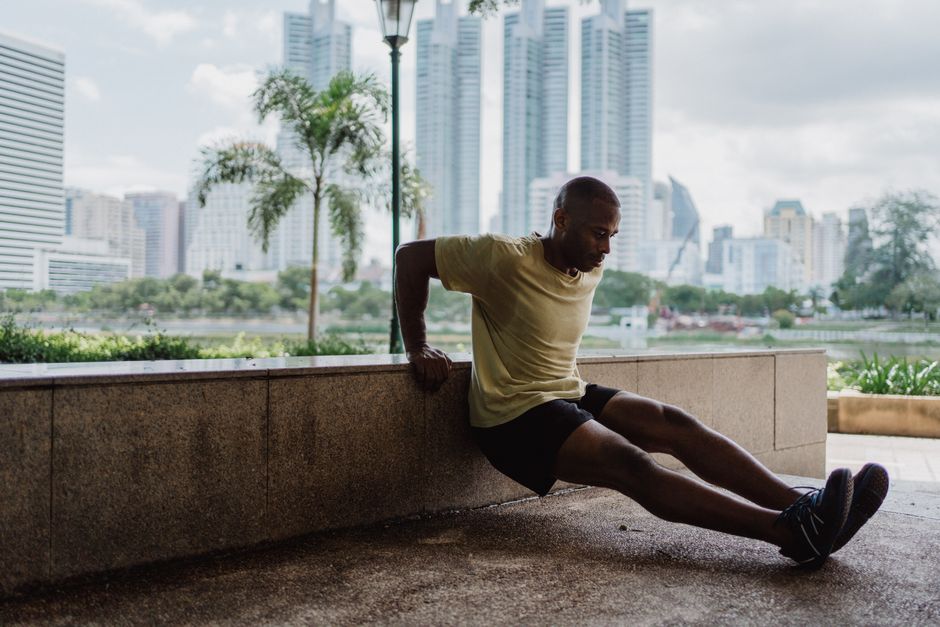
Tricep cramps are sudden, involuntary muscle spasms in the back of your upper arm. They can happen mid-workout, during sleep, or even while you are typing. The fastest way to stop one is to gently stretch the muscle by straightening your arm and holding it for 15 to 30 seconds. To keep them from coming back, you need to address the underlying cause, which is usually a mix of muscle fatigue, dehydration, or an electrolyte imbalance. Here is what the evidence says about stopping a cramp when it hits and preventing the next one.
What Actually Causes a Tricep Cramp?
A cramp is a muscle that contracts and will not relax. The tricep is a large muscle group on the back of the upper arm, and it is heavily used in pushing movements like bench presses, push-ups, and dips. When that muscle is overworked, its nerve signals can misfire, causing the muscle fibers to lock up.
The most common triggers are straightforward. Muscle fatigue from a new or intense workout is at the top of the list. Dehydration and low levels of electrolytes like potassium, magnesium, and sodium also play a major role. These minerals help your nerves send signals to your muscles. When they run low, the signaling system gets disrupted.
Less common causes matter too. Poor blood flow from sitting in one position for a long time can trigger a cramp. Some medications, particularly diuretics and statins, list muscle cramps as a side effect. If your cramps happen often and without an obvious cause, it is worth discussing with a doctor, because they can sometimes signal a nerve issue or a metabolic condition.
How To Stop a Tricep Cramp Right Now
When the muscle seizes, the fastest way to relieve it is to lengthen it. For the tricep, that means straightening your arm fully. If you are lying down, extend your arm along your side or above your head. Hold it straight for 15 to 30 seconds. You should feel a stretch along the back of the arm, and the spasm should ease.
Massage can help in the same moment. Use your opposite hand to press into the belly of the cramped muscle. Firm, slow pressure works better than quick tapping. You are essentially helping the muscle fibers reset their signaling.
Heat is another immediate tool. A warm compress or heating pad applied to the cramped area increases blood flow and helps the muscle relax. If you have ice nearby, cold can numb the area and reduce the pain, but heat is generally more effective for relaxing a contracted muscle. After the cramp subsides, gentle movement of the arm can prevent it from tightening up again.
Why Stretching Matters for Prevention
Regular stretching does not just feel good; it changes how your muscle responds to stress. When you stretch the tricep consistently, you improve the muscle’s flexibility and reduce its baseline tension. A muscle that is already tight is more likely to cramp when it is suddenly asked to work.
The best time to stretch is after a workout when the muscle is warm, not before. Stretching a cold muscle can actually increase injury risk. Hold a tricep stretch for 20 to 30 seconds on each side. Reach one arm across your chest or bend your elbow behind your head and gently pull with the opposite hand. You should feel a stretch, not pain.
Stretching alone will not fix the problem if your hydration or electrolytes are off. But as part of a complete prevention plan, it reduces the likelihood of that muscle seizing under load.





Hydration and Electrolytes: What the Evidence Shows
Dehydration is one of the most consistent triggers for muscle cramps. When your body loses more fluid than it takes in, your blood volume drops. That means less oxygen and fewer nutrients reach your muscles, and your electrolyte balance shifts. Studies on exercise-related cramps have repeatedly found that athletes who cramp often have significant fluid and sodium losses.
Plain water is not always enough. Sodium is the primary electrolyte lost in sweat, and it is essential for nerve function. If you sweat heavily during workouts, drinking only water can dilute your sodium levels further. Sports drinks with electrolytes can help, but they also contain sugar. A practical alternative is adding a pinch of salt to your water during long or intense training sessions.
Potassium and magnesium also matter. Potassium is found in bananas, potatoes, and leafy greens. Magnesium is in nuts, seeds, and whole grains. Most people get enough of these from food, but if your diet is heavy in processed foods, you may run low. There is no strong evidence that taking high-dose magnesium supplements prevents cramps in people who are not deficient. If you suspect a deficiency, a blood test from your doctor is the reliable way to know.
Recovery and Muscle Fatigue Management
Muscle fatigue is the other major cramp trigger. When you push a muscle to failure, its energy stores deplete and the nervous system becomes less precise. This is why cramps often happen at the end of a hard workout or the night after one.
Giving your triceps adequate recovery time is essential. If you train arms hard, wait at least 48 hours before hitting them again. During that rest period, the muscle repairs itself and its energy stores are replenished. Training the same muscle group daily without rest is a recipe for recurring cramps.
Sleep is part of recovery too. Your muscles repair and rebalance electrolytes during deep sleep. Chronic sleep deprivation is linked to increased muscle tension and a higher risk of cramps. If you are training hard and sleeping poorly, your cramps may simply be a sign that your body is not recovering.
When To See a Doctor About Tricep Cramps
Occasional cramps that respond to stretching and hydration are not a medical concern. But there are situations where you should get checked out. If your cramps are severe enough to wake you from sleep regularly, or if they happen multiple times a week without a clear cause, that warrants a medical evaluation.
Other warning signs include cramping accompanied by muscle weakness, numbness, or a visible change in the shape of the arm. These can indicate a nerve issue, such as a pinched nerve in the neck or shoulder that affects the tricep. Medication side effects are another possibility. If you recently started a new prescription and noticed cramps, mention it to your doctor. They can determine whether the drug is the culprit and whether an alternative is available.
There is no reliable home test to determine the cause of frequent cramps. A doctor can run blood tests to check your electrolyte levels, kidney function, and thyroid status. These simple tests can rule out the more serious underlying conditions.
Common Myths About Muscle Cramps
One persistent myth is that cramps are always caused by a lack of potassium. Potassium deficiency can cause cramps, but it is not the only cause, and it is rarely the sole culprit. If you eat a reasonably balanced diet, you are likely getting enough potassium. Loading up on bananas will not prevent cramps if your real issue is dehydration or muscle fatigue.
Another myth is that drinking pickle juice stops cramps because of the salt. Some research suggests pickle juice may relieve cramps quickly, but the mechanism is not fully understood. It may work by triggering a reflex in the mouth and throat that calms the overactive nerve signals, rather than by replacing electrolytes, which would take much longer to absorb. It can be a quick fix in a pinch, but it is not a prevention strategy.
There is also a belief that cramps are a sign of a serious heart condition. While some metabolic and nerve conditions can cause cramps, the vast majority of tricep cramps are benign and related to exercise, hydration, or posture. If you have no other symptoms, a cramp is not a reason to panic.
How To Stop Tricep Cramps And Keep Them From Coming Back
The practical formula is simple. Stop the immediate cramp with a straight-arm stretch and firm massage. Then look at your habits. Are you drinking enough water throughout the day, not just during workouts? Are you taking rest days between heavy arm training sessions? Are you stretching after exercise? Are you getting enough sleep?
If you can answer yes to all of those, your cramps will likely become rare. If they continue despite good hydration, rest, and stretching, that is when you should seek medical advice. Persistent cramps that do not respond to basic prevention are worth investigating, but most people will find that these straightforward steps break the cycle.
Frequently Asked Questions
What deficiency causes tricep cramps?
Low levels of potassium, magnesium, or sodium can contribute to muscle cramps. A blood test is the only reliable way to confirm a deficiency.
How long does a tricep cramp last?
Most cramps last between a few seconds and several minutes. If a cramp lasts longer than 10 minutes or is accompanied by swelling, seek medical attention.
Can I exercise after a tricep cramp?
Yes, but only after the muscle has fully relaxed and you have rehydrated. Stop the workout if the cramp returns.
Does drinking more water prevent tricep cramps?
Staying hydrated reduces the risk, but it does not guarantee prevention. Electrolyte balance and muscle fatigue also play significant roles.
