
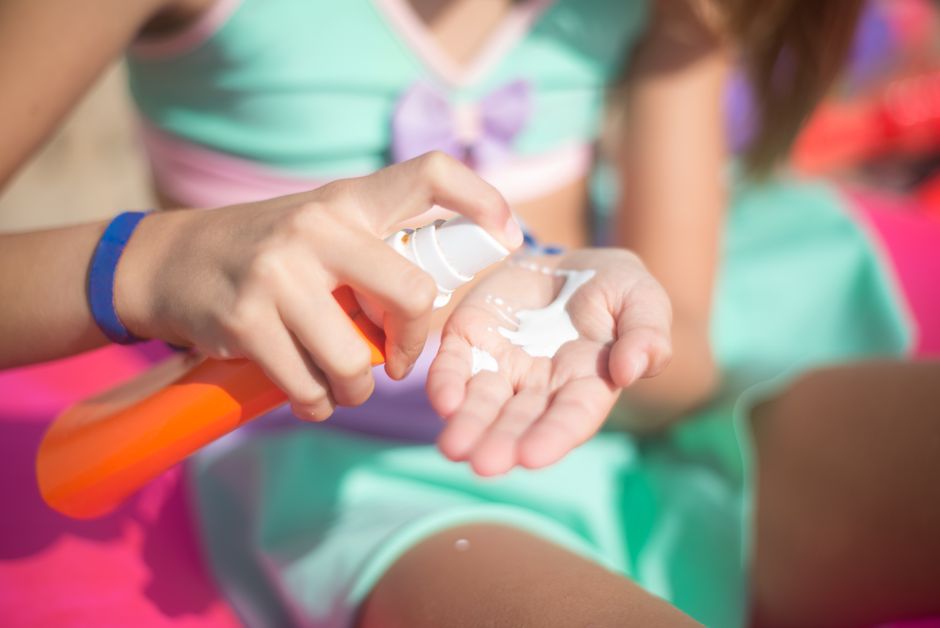
A sunburn itch usually peaks as the skin begins to heal, often around the third to fifth day after sun exposure. To stop the itching, cool the skin, keep it moisturized with a plain fragrance-free lotion or aloe vera gel, avoid scratching, and take an over-the-counter antihistamine if the itch is keeping you awake. Do not apply numbing creams containing benzocaine or use ice directly on the skin.
The itch is not a sign that something is wrong. It is a sign that tissue is repairing itself. Understanding why it happens makes it easier to treat without making things worse.
Why Does a Sunburn Itch So Much?
Sunburn is a genuine injury to the skin, not just a color change. Ultraviolet radiation damages skin cells, and the body responds with inflammation — redness, warmth, swelling, and pain. That inflammatory response is also what drives the itch.
As damaged cells break down and the skin begins to repair, the body releases signaling molecules, including histamine and other inflammatory mediators. These chemicals activate nerve endings in the skin. During the healing phase, those same nerve endings become unusually sensitive, which is why the itch often arrives after the worst of the pain has passed.
There is another factor many people do not know about. When sunburned skin blisters and peels, the barrier that normally holds moisture in is disrupted. Dry, damaged skin itches more. This is why keeping the area moisturized is not just comfort care — it directly reduces one of the drivers of the itch.
Some people are far itchier than others after a burn. That variation is real and appears to relate to individual differences in nerve sensitivity and inflammatory response. It is not a sign that your burn is more severe than someone else’s.
How To Stop Sunburn Itching: Step By Step
These steps address the itch directly and protect the healing skin underneath. Work through them in order.
Step 1: Cool the Skin Gently
Apply a cool — not cold — compress to the itchy area for short periods. A soft cloth soaked in cool water works well. Cool water reduces nerve firing and calms inflammation at the surface.
Do not use ice packs or ice cubes directly on sunburned skin. Ice constricts blood vessels sharply and can further damage already-injured tissue. Never hold ice against the skin for extended periods regardless of the reason.
Step 2: Moisturize While the Skin Is Still Damp
Pat the skin dry gently, leaving it slightly damp, then apply a plain, fragrance-free moisturizer. The dampness helps trap water in the skin. Dry skin itches more, and sunburned skin loses moisture faster than intact skin.
Aloe vera gel is a reasonable choice and is widely used for sunburn. Some studies suggest it has mild anti-inflammatory properties, though the evidence for itching specifically is limited. What matters most is that the product is plain. Avoid gels or lotions that contain alcohol, fragrance, or added dyes, because these can sting and irritate damaged skin.
Step 3: Stop the Scratch Cycle
Scratching feels good for a second and then makes the itch worse. It also damages healing skin and raises the risk of infection. If you catch yourself scratching, press flat on the area with a cool hand instead, or tap it lightly.
Keep fingernails short. This matters most at night, when most people scratch without realizing it. Wearing loose cotton clothing to bed reduces friction on the skin and makes unconscious scratching less likely.
Step 4: Consider an Oral Antihistamine
Over-the-counter antihistamines are commonly used for sunburn itch, and some people find they help, particularly when the itch interferes with sleep. The evidence for their effectiveness in sunburn specifically is limited — histamine is only one of several chemicals driving the itch — so treat them as a reasonable option rather than a guaranteed fix.
Follow the label directions exactly. Antihistamines that cause drowsiness can help at night. Check with a pharmacist or doctor before use if you take other medications or have a medical condition.
Step 5: Leave Peeling Skin Alone
Do not peel or pick at skin that is flaking. Peeling skin is part of the healing process, and pulling it off early can expose raw skin underneath and raise infection risk. Let it come off on its own, and keep moisturizing the area as it does.
What Should You Avoid Putting on a Sunburn?
Some common home remedies make itching and healing worse. The list below covers the ones that matter most.
- Petroleum jelly on fresh burns: It traps heat and sweat against the skin and is not recommended for acute sunburn.
- Numbing creams with benzocaine: These can cause allergic skin reactions, and the FDA has warned about a rare but serious blood condition linked to benzocaine use. They are not appropriate for sunburn.
- Butter, oil, or vinegar: None of these help, and oil can trap heat.
- Fragranced lotions and perfumes: These irritate damaged skin and can worsen itching.
- Ice directly on the skin: It can cause further tissue injury.
One more point on a widely shared remedy: some people apply topical lidocaine products to sunburn. These are not recommended for large areas of broken or blistered skin without medical guidance, because the drug can be absorbed through damaged skin.



When Is Sunburn Itching a Sign of Something More Serious?
Most sunburn itch is uncomfortable but not dangerous. Certain signs mean you should get medical attention rather than manage it at home.
Seek care if you have blisters covering a large area of the body, severe swelling, or signs of infection such as increasing pain, warmth, pus, or red streaks spreading from the burn. Fever, chills, confusion, or feeling faint after significant sun exposure can indicate heat illness, which is a medical emergency.
Also get medical advice if the itch is severe enough to prevent sleep for more than a night or two, or if a rash is spreading beyond the sunburned area. A spreading rash may point to a different problem, such as a photosensitivity reaction or an allergy, and the cause should be evaluated rather than assumed.
How Long Does Sunburn Itching Last?
Sunburn itching typically lasts a few days and tends to peak during the peeling phase. Most superficial sunburns heal within about a week, though deeper burns take longer.
The timeline depends on how severe the burn was. A mild burn that reddens but does not blister usually resolves faster than one that blisters. If itching is still intense after a week, or is getting worse rather than better, have it looked at.
Can You Prevent the Itch Next Time?
The most reliable way to prevent sunburn itch is to prevent the sunburn. Sunscreen, protective clothing, and avoiding peak sun hours are the established basics.
For sunscreen, choose a broad-spectrum product with an SPF of 30 or higher and reapply at least every two hours, and more often after swimming or sweating. The American Academy of Dermatology recommends SPF 30 or higher for general use. Shade and clothing are not optional extras — they block UV more reliably than sunscreen alone.
If you do get burned, starting the cooling and moisturizing steps early — before the itch arrives — tends to make the itchy phase easier to manage.
Frequently Asked Questions
How do I stop sunburn itching fast?
Apply a cool compress and a plain fragrance-free moisturizer to damp skin right away. An over-the-counter antihistamine may help if the itch is severe, but it is not a guaranteed fix.
Why does sunburn itch so much on day 3?
The itch often peaks during the healing and peeling phase, when damaged skin dries out and sensitive nerve endings become more reactive. This timing is normal.
Is it OK to scratch a sunburn?
No. Scratching damages healing skin, worsens the itch, and raises the risk of infection. Press flat on the area or tap it lightly instead.
Does aloe vera help sunburn itching?
Aloe vera gel is widely used and may ease mild inflammation, but evidence that it specifically stops itching is limited. Choose a plain product without alcohol or fragrance.
