
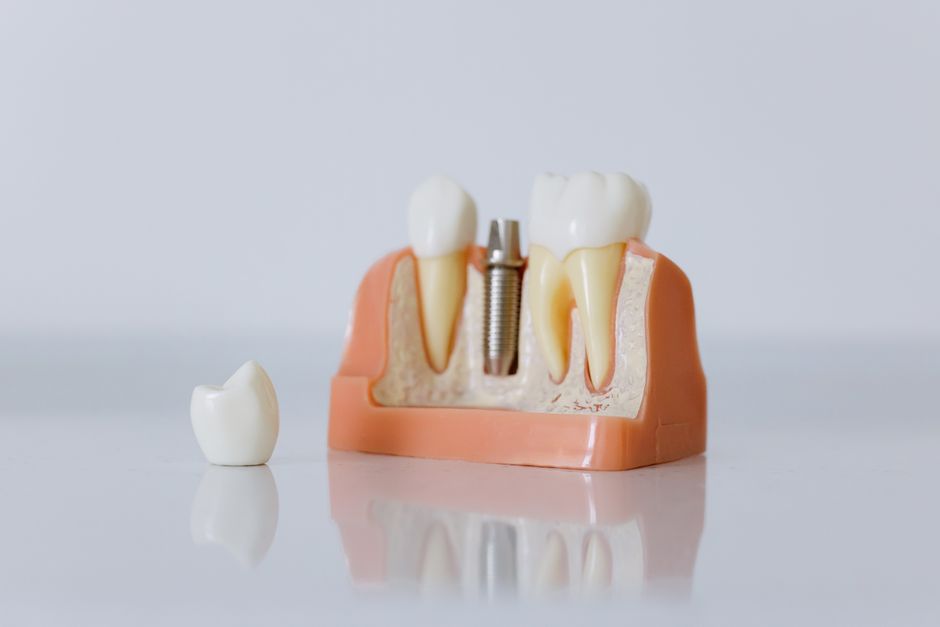
You cannot cure periodontitis at home. That is the honest starting point, and it matters because gum disease is the sixth most common condition in the world and one of the most misunderstood. Periodontitis is an active infection that destroys the bone and ligament holding your teeth in place, and reversing that damage requires professional treatment. What you can do at home is stop it from getting worse, keep treatment working, and lower the odds it comes back. That part is real, and it is where your daily habits carry serious weight.
What Is Periodontitis And How Is It Different From Gingivitis?
Gingivitis is inflammation of the gums alone. Periodontitis is inflammation that has spread below the gumline and started breaking down the tissue and bone that anchor your teeth.
This distinction is the whole game. Gingivitis is reversible. The gums bleed, look red, and feel tender, but the supporting structures are still intact. With good oral care and a professional cleaning, it can resolve. Periodontitis is not reversible in the same way. Once the bone that supports a tooth is lost, it does not grow back on its own.
The mechanism is fairly well understood. Bacteria in plaque trigger an immune response. In some people that response becomes chronic and destructive, and the body’s own inflammatory defenses start damaging the periodontal ligament and alveolar bone. That is why periodontitis is sometimes described as an immune-mediated disease rather than simply a bacterial one. The bacteria start it; the immune response does much of the harm.
Risk factors that are well established include smoking, poorly controlled diabetes, and genetic predisposition. Smoking is one of the strongest. It also masks symptoms, because it reduces blood flow to the gums, so smokers often bleed less and assume they are fine when they are not.
How To Stop Periodontitis At Home What Really Works?
At home, you can control plaque and reduce inflammation. You cannot remove the hardened deposits below the gumline or regrow lost bone. Those require a dentist or periodontist.
What genuinely works at home:
- Meticulous plaque removal. Brushing twice daily with a soft-bristled brush and cleaning between teeth every day. Interdental cleaning — floss, interdental brushes, or water flossers — reaches the spaces a toothbrush cannot.
- Interdental brushes over floss for many people. For gaps between teeth, small brushes are often more effective than string floss at removing plaque, and easier to use consistently. Floss remains a reasonable choice where teeth are tight together.
- Not smoking. Quitting is one of the single most impactful things a person with periodontitis can do. It improves treatment response and healing.
- Blood sugar control if you have diabetes. The relationship runs both ways. Poorly controlled diabetes worsens periodontal disease, and periodontal inflammation can make blood sugar harder to manage.
- Keeping professional maintenance appointments. This is not a home remedy, but it is what makes home care matter. Without it, home effort mostly slows a losing battle.
What does not work on its own: mouthwash, oil pulling, and herbal rinses. These may reduce surface bacteria and temporarily freshen breath, but no evidence shows they stop periodontitis or rebuild lost tissue. They are adjuncts at best, not treatments.
Can You Actually Reverse Periodontitis At Home?
No. You can reverse gingivitis at home. You cannot reverse periodontitis at home, and no product sold for home use has been shown to regrow bone or reattach the ligament.
This is where a lot of marketing gets dishonest. Products claim to “reverse gum disease” or “repair receding gums.” Receding gums and bone loss from periodontitis are structural damage. A toothpaste or rinse does not rebuild them.
What treatment can do is halt progression. Professional treatment — typically scaling and root planing, sometimes surgery — removes the bacterial deposits and infected tissue below the gumline. In many cases this stops the disease from advancing. The goal is stabilization, not restoration. The tissue that is already gone usually stays gone, though the gums can tighten somewhat as inflammation resolves.
So the honest framing is this: home care does not reverse periodontitis, but it is essential to keeping treatment from failing. People who neglect home care after professional treatment tend to see the disease return.





Which Home Products And Habits Actually Help?
A few tools have reasonable evidence behind them. Many do not. Here is where things stand.
Power toothbrushes. Some studies suggest oscillating-rotating electric brushes remove more plaque than manual brushing. The difference is modest, and a careful manual brusher can do well. The bigger factor is technique and consistency, not the device.
Interdental brushes. For people with spaces between teeth — common in periodontitis — these are often the most effective tool for cleaning between teeth. A dentist or hygienist can size them correctly.
Fluoride toothpaste. Standard fluoride toothpaste helps prevent decay and supports gum health indirectly. There is no strong evidence that specialty “gum” toothpastes outperform regular fluoride toothpaste for treating periodontitis.
Antibacterial mouthwash. Chlorhexidine rinses reduce bacteria and are sometimes prescribed short-term after treatment. They are not a long-term solution, and prolonged use can stain teeth and alter taste. Over-the-counter rinses are milder and less studied for periodontitis specifically.
Water flossers. Useful for people who struggle with floss or have braces or dental work. Evidence suggests they reduce bleeding and inflammation, though possibly less thoroughly than interdental brushes for plaque removal.
Oil pulling. Some small studies show reduced plaque and gingivitis scores. The evidence is limited and low quality, and it should never replace brushing, interdental cleaning, or professional treatment.
What Are The Warning Signs You Should Not Ignore?
Periodontitis is often painless until it is advanced. That is a big part of why people miss it.
Signs worth acting on:
- Gums that bleed when you brush or floss
- Persistent bad breath or a bad taste
- Gums that look red, swollen, or tender
- Gums pulling away from the teeth, making teeth look longer
- Loose or shifting teeth
- Changes in how your teeth fit together when you bite
- Pus between the teeth and gums
Any of these warrants a dental exam. A dentist measures the space between the gum and tooth — called pocket depth — and checks for bone loss with X-rays. These measurements are how periodontitis is diagnosed, not by appearance alone.
One point worth knowing: bleeding gums are not normal, and they are not just from “brushing too hard.” They usually signal inflammation that needs attention.
Does Home Care Replace Professional Treatment?
No. Home care and professional treatment do different jobs, and you need both.
Professional treatment removes what you cannot reach. Scaling and root planing cleans below the gumline, where deposits harden into tartar that no toothbrush can remove. In more advanced cases, surgery such as flap surgery or grafting may be needed. These procedures address the disease itself.
Home care maintains the result. After treatment, bacteria recolonize within days. Daily plaque removal keeps them from rebuilding the destructive environment. Maintenance cleanings at intervals your dentist recommends — often more frequent than every six months for people with a history of periodontitis — catch recurrence early.
The two are not interchangeable. Skipping professional care and doubling down on home remedies is a common and costly mistake. So is getting treatment and then letting home care slide.
What Raises Your Risk And What Lowers It?
Some risk factors you can change. Others you cannot, but knowing them helps you act.
Modifiable factors include smoking, poorly controlled diabetes, poor oral hygiene, and stress. Smoking stands out because it affects both the disease and how well treatment works.
Non-modifiable factors include genetics and age. Some people are simply more prone to aggressive periodontal disease, and it can run in families. If a parent lost teeth to gum disease, that is worth mentioning to your dentist.
Certain medications cause gum overgrowth or dry mouth, which can worsen gum health. Dry mouth reduces the protective effect of saliva. If you take medications that cause it, tell your dentist.
Pregnancy can also affect gum health because of hormonal changes. Gingivitis is common during pregnancy and warrants attention, though it does not automatically mean periodontitis.
Lowering risk is not complicated, even if it is not easy: stop smoking, control blood sugar, clean between your teeth daily, and keep your professional appointments.
What Is Realistic To Expect?
With consistent professional treatment and solid home care, most people can stop periodontitis from progressing and keep their teeth for a long time. That is a realistic and worthwhile goal.
What is not realistic is expecting a home remedy to undo existing damage. Bone and ligament that are lost do not come back through brushing, rinsing, or oil pulling. Anyone promising otherwise is selling something.
The honest summary: home care is powerful for prevention and maintenance, and weak as a standalone cure. The people who do best treat their gums like a chronic condition that needs ongoing management, not a problem to solve once and forget.
Frequently Asked Questions
Can periodontitis be cured at home?
No. Periodontitis cannot be cured at home because it involves bone and ligament loss that home care cannot repair, and it requires professional treatment to stop progression. Home care helps prevent it and keeps professional treatment from failing.
Does oil pulling cure gum disease?
No. Some small studies suggest oil pulling may reduce plaque and gingivitis, but the evidence is limited and it does not treat periodontitis. It should never replace brushing, interdental cleaning, or professional care.
Can receding gums grow back?
Gums do not grow back on their own once they have receded from periodontitis. In some cases a dentist can perform a gum graft to cover exposed roots, but this is a surgical procedure, not something home care can achieve.
How often should you see a dentist if you have periodontitis?
People with a history of periodontitis often need maintenance cleanings more frequently than every six months, and the right interval depends on your specific case. Your dentist or periodontist will recommend a schedule based on your pocket depths and disease history.
