
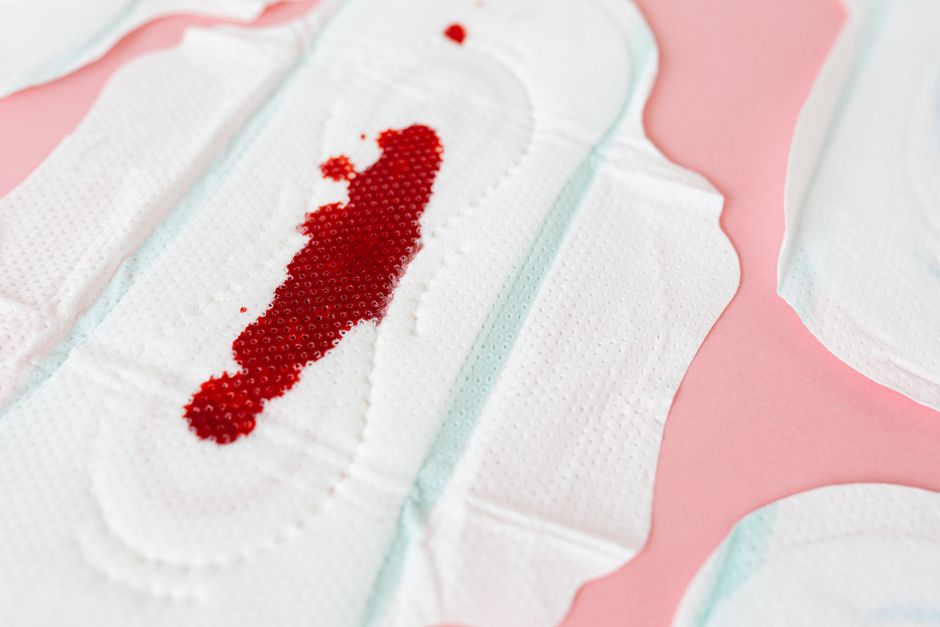
Spotting after your period ends is common, and in most cases it is not dangerous. The honest answer to how to stop it naturally is that you first have to know why it is happening, because the cause decides the fix. If the spotting traces back to stress, a hormonal shift, or an irritation you can change, then sleep, diet, cycle tracking, and removing the trigger often resolve it. If it traces back to an infection, a polyp, fibroids, or a thyroid problem, no natural remedy will fix it and you need a clinician.
That distinction matters more than any supplement or tea. This article walks through the real causes, what lifestyle changes actually have evidence behind them, and the warning signs that mean you should stop reading and call a doctor.
What Counts as Spotting After Your Period?
Spotting is light bleeding that does not need a pad or tampon, usually just a few drops or a streak on toilet paper. It is different from a full period, which typically produces enough flow to need protection. Bleeding that happens after your period has clearly ended, but before your next one is due, is the pattern most people mean when they say “spotting after my period.”
Doctors group post-period bleeding into a few buckets. There is bleeding in the days right after your period stops, which often reflects a slow finish to the uterine lining shedding. There is mid-cycle bleeding, which can line up with ovulation. And there is unpredictable bleeding that shows up at random times. Each pattern points toward different causes, and tracking which one you have is the first useful step.
One detail worth knowing: the lining of the uterus does not always shed in a clean, even way. Sometimes the last bit comes off a day or two later. That is a normal variation, not a sign of disease. It becomes worth investigating when the pattern is new, heavy, painful, or persistent.
What Causes Spotting After Your Period?
Hormonal fluctuation is the most common driver in people who are not on birth control. Estrogen and progesterone rise and fall in a rhythm, and when that rhythm is disrupted, the uterine lining can shed irregularly. Stress, poor sleep, significant weight change, and intense exercise can all disturb that rhythm.
Other common causes include:
- Ovulation bleeding, which happens when estrogen dips briefly mid-cycle
- Starting, stopping, or missing doses of hormonal birth control
- An intrauterine device, especially in the first months after insertion
- Perimenopause, when cycles become unpredictable
- Infection such as cervicitis or a sexually transmitted infection
- Polyps or fibroids in the uterus or cervix
- Thyroid problems, both underactive and overactive
- Pregnancy, including early pregnancy and ectopic pregnancy
Some of these are benign and self-limiting. Others need treatment. Pregnancy deserves special mention because spotting can be the first sign of an ectopic pregnancy, which is a medical emergency. Anyone who could be pregnant and is spotting should test and, if positive, contact a clinician.
How To Stop Spotting After Your Period Naturally
Natural approaches work best when the cause is hormonal, stress-related, or tied to a habit you can change. They do not replace medical evaluation, and they will not fix structural problems like polyps or an infection.
Track your cycle before you change anything
Write down the day your period starts, the day it ends, and every day you spot. Note flow, color, and any pain. Two or three months of records often reveal a pattern that helps you and your doctor. It also stops you from chasing a problem that is actually normal variation.
Address the stress load
The stress hormone cortisol interacts with the hormones that control your cycle. Chronic stress is a well-recognized contributor to irregular bleeding, though the exact mechanisms are complex and not fully mapped. Sleep, regular movement, and time away from screens are not glamorous, but they are the levers with the most consistent evidence. Aim for seven to nine hours of sleep, which is the range most adults need.
Look at your weight and exercise
Both very low body fat and rapid weight change can disrupt ovulation and cause irregular bleeding. So can extreme endurance training. If your exercise load has recently jumped, or your weight has shifted quickly, that is a plausible contributor worth discussing with a clinician.
Review what you are putting in your body
Alcohol, smoking, and some supplements can affect hormone balance. Certain herbs marketed for hormone support have not been tested in large human trials, and some can interfere with medications or make bleeding worse. Be cautious with anything promising to “balance hormones” — that phrase has no defined medical meaning.
Check for mechanical irritation
Sometimes the cause is physical. A cervical polyp, a dry vaginal environment, or irritation from a device can cause light bleeding. A clinician can check for these in a routine exam.





Do Natural Remedies Actually Work for Spotting?
The evidence here is limited and uneven. Some approaches have reasonable support for general menstrual health, while others are largely marketing. It is worth separating them.
What has some support: Regular sleep, stress management, a balanced diet with adequate iron and vitamin D, and moderate exercise all support general hormonal health. None of these has been shown in large trials to specifically stop post-period spotting, but they address the underlying contributors.
What has weak or no support: Most herbal “hormone balance” supplements. Chasteberry, for example, has been studied for some menstrual symptoms, but the evidence for post-period spotting specifically is thin. No clinical guidelines currently recommend herbal supplements as a first-line treatment for irregular bleeding.
What to avoid: Anything marketed as a guaranteed fix. Bleeding that has a structural or infectious cause will not respond to diet or supplements, and delaying diagnosis can let a treatable problem worsen.
If you want to try a natural approach, treat it as supportive care alongside proper evaluation, not as a substitute for it.
When Should You See a Doctor for Spotting?
Some patterns need prompt attention. See a clinician if any of the following apply:
- You could be pregnant
- Bleeding is heavy, soaking a pad an hour, or contains large clots
- You have severe pain, fever, or foul-smelling discharge
- Spotting is new and has lasted more than a few cycles
- You are postmenopausal and bleeding at all
- You have pain during sex or bleeding after sex
Postmenopausal bleeding is a specific red flag. Any bleeding after menopause needs evaluation, because it can signal a problem in the uterus that requires investigation. This is not a situation for natural remedies.
For everyone else, the general rule is simple. If the spotting is new, persistent, or comes with other symptoms, get it checked. If it is occasional and clearly tied to a known cause like a new IUD, watchful waiting is often reasonable — but confirm that with your clinician.
What Lifestyle Changes Support a Regular Cycle?
A regular cycle depends on a stable hormonal rhythm, and that rhythm responds to daily habits. The changes with the best evidence are unglamorous but effective.
- Sleep: Seven to nine hours, consistent timing
- Nutrition: Enough iron, vitamin D, and healthy fats to support hormone production
- Movement: Moderate activity, without extreme spikes in training volume
- Stress: Regular practices that lower chronic stress load
- Substances: Limiting alcohol and not smoking
None of these is a switch you flip. They work over weeks and months, and they support the whole system rather than targeting spotting directly. If your cycle is irregular for reasons outside your control, such as perimenopause or a thyroid condition, lifestyle changes will not override that — and that is not a failure on your part.
Can Birth Control Cause or Stop Spotting?
Hormonal birth control can do both. Starting a new method, changing doses, or missing pills commonly causes breakthrough bleeding in the first few months. An IUD can cause spotting for weeks to months after insertion. This is expected and usually settles.
On the other side, hormonal birth control is often prescribed specifically to regulate bleeding. If spotting is caused by a hormonal imbalance, a clinician may recommend a method that stabilizes the cycle. That is a medical decision, not a natural one, but it is worth knowing as an option.
The key point: if you are on birth control and spotting, the method itself is a likely cause. Talk to your prescriber before stopping or changing anything on your own.
Frequently Asked Questions
How do I stop spotting after my period naturally?
Focus on the likely cause: manage stress, get seven to nine hours of sleep, keep exercise moderate, and limit alcohol. If a structural or infectious cause is present, no natural approach will fix it and you need a clinician.
Is spotting after your period a sign of pregnancy?
It can be. Spotting is sometimes the first sign of pregnancy, including ectopic pregnancy, which is an emergency. If there is any chance you are pregnant, take a test and contact a clinician if it is positive.
When should I worry about spotting after my period?
Worry — and get checked — if the bleeding is heavy, painful, new, persistent beyond a few cycles, or happens after menopause. Postmenopausal bleeding always needs evaluation.
Can stress cause spotting after your period?
Yes. Chronic stress can disrupt the hormonal rhythm that controls your cycle, which can lead to irregular bleeding. Reducing stress load is a reasonable first step, but persistent spotting still warrants a medical check.
