
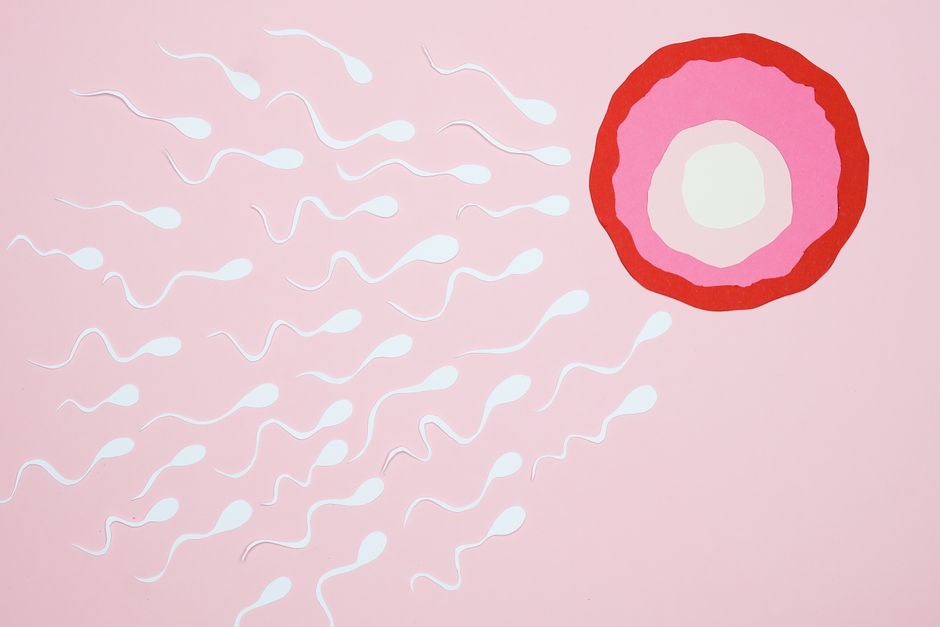
Ovulation is the release of an egg from the ovary. It is the central event of the menstrual cycle, and without it, pregnancy cannot occur. For many women, the question is not just about timing intercourse but about whether the body is actually releasing an egg at all. The honest answer is that natural ovulation depends on a foundation of overall health, and while no supplement or diet is a guaranteed fix, there are several evidence-based strategies that genuinely support the hormonal cascade required for an egg to be released.
What Needs to Happen for Ovulation to Occur
Ovulation is not a single event. It is the end result of a precise sequence of hormonal signals involving the brain and the ovaries. The hypothalamus releases gonadotropin-releasing hormone, which signals the pituitary gland to produce follicle-stimulating hormone and luteinizing hormone. FSH stimulates follicles in the ovary to grow, and the surge of LH triggers the final release of the mature egg.
This system is sensitive. Stress, significant weight changes, thyroid dysfunction, and elevated prolactin can all interrupt the signal. When ovulation is irregular or absent, the cause is often one of these underlying factors. Identifying and addressing the specific disruption is more effective than trying random remedies.
Does Body Weight Affect Ovulation?
Yes, body weight has a direct and well-documented effect on ovulation. Fat tissue produces estrogen, and having too much or too little of it can confuse the brain’s signaling to the ovaries. Women who are underweight may not produce enough estrogen to trigger ovulation, while women with excess body fat often have higher estrogen levels that disrupt the normal feedback loop.
Research consistently shows that even modest weight changes can restore ovulation. For women with a body mass index above 30, losing 5 to 10 percent of total body weight can be enough to resume regular cycles. For underweight women, gaining weight to achieve a BMI above 18.5 is often necessary. This is one of the most reliable, evidence-based interventions available.
Which Nutrients Actually Support Ovulation?
No single nutrient is a magic bullet, but several have solid evidence behind them. Folic acid is the most established. It is recommended for all women trying to conceive, not because it triggers ovulation, but because it prevents neural tube defects if pregnancy occurs. The standard recommendation is 400 to 800 micrograms daily.
Vitamin D has also been studied. Some research suggests that women with adequate vitamin D levels have higher ovulation rates than those with deficiencies. The evidence is not strong enough to say supplementing will restore ovulation, but correcting a deficiency is reasonable for overall health.
Myo-inositol is one of the more promising supplements. Studies have found that it can improve ovulation rates in women with polycystic ovary syndrome, a condition that is a leading cause of anovulation. It appears to improve insulin signaling, which helps the ovaries respond more normally to hormonal signals.
Iron from plant sources has been associated with a lower risk of ovulatory infertility in some observational research. This is not the same as proof that iron supplements restore ovulation, but it supports the value of a diet rich in beans, lentils, spinach, and fortified grains.




How Can I Ovulate Naturally What Actually Works for PCOS?
Polycystic ovary syndrome is the most common cause of irregular ovulation. It affects roughly one in ten women of reproductive age. The underlying issue is often insulin resistance, which leads to higher insulin levels that disrupt normal ovarian function.
For PCOS, the strongest natural intervention is dietary change. Research consistently shows that reducing refined carbohydrates and sugars improves insulin sensitivity and can restore ovulation. A low-glycemic diet that emphasizes whole grains, vegetables, lean proteins, and healthy fats is the most commonly recommended approach. Some studies suggest that even a 5 percent weight loss can restart ovulation in women with PCOS who are overweight.
Metformin is a medication commonly prescribed for PCOS-related ovulation problems. It is not natural, but it is one of the most effective treatments available. Some clinicians recommend myo-inositol as a natural alternative or addition, and the evidence for it is better than for most over-the-counter supplements.
Does Stress Really Stop Ovulation?
Stress can affect ovulation, but the relationship is not simple. The body’s stress response involves cortisol, and high cortisol levels can suppress the release of gonadotropin-releasing hormone. This is an evolutionary adaptation. When the body perceives a threat, reproduction is not a priority.
The evidence that stress reduction techniques restore ovulation is limited. Some small studies suggest that mind-body programs can improve pregnancy rates, but the quality of this research is mixed. What is clear is that chronic stress is not helpful for any aspect of health. Practices like regular exercise, adequate sleep, and mindfulness are reasonable for general well-being, even if their direct effect on ovulation is not fully proven.
What Role Does Exercise Play?
Regular moderate exercise supports ovulation. It improves insulin sensitivity, reduces stress hormones, and helps maintain a healthy weight. The problem is when exercise becomes excessive. Women who train intensely with very low body fat often stop ovulating entirely. This is common in endurance athletes and is known as exercise-induced hypothalamic amenorrhea.
The evidence suggests that moderate exercise is protective, while extreme exercise is disruptive. For most women, 150 minutes of moderate activity per week is a reasonable target. If ovulation has stopped due to heavy training, reducing intensity and increasing caloric intake often restores cycles within a few months.
Are There Herbal Remedies That Work?
Herbal remedies are popular, but the evidence is thin. Vitex, also known as chasteberry, is one of the most commonly used herbs for fertility. Some small studies suggest it may help regulate cycles, but the research quality is poor, and it can interact with hormonal medications. It should not be used without medical supervision.
Maca root is another popular supplement, but no large human trials have confirmed that it affects ovulation. The same is true for most other herbal products marketed for fertility. No study has confirmed that these products restore ovulation, and some may have unintended hormonal effects. If you choose to use them, tell your doctor. Herbal supplements are not regulated for purity or dosage.
When Should You See a Doctor?
If cycles are consistently longer than 35 days or shorter than 21 days, ovulation is likely irregular. If you have no period at all for three months or more, this is called amenorrhea and requires medical evaluation. Women under 35 who have been trying to conceive for one year should see a doctor. Women over 35 should seek help after six months.
A doctor can run blood tests to check thyroid function, prolactin levels, and ovarian reserve. These tests identify specific causes that natural approaches cannot address. For example, elevated prolactin is treated with medication, and thyroid disorders are treated with hormone replacement. These are medical conditions, not lifestyle problems.
How Long Does It Take to See Results?
Natural interventions do not work overnight. The ovarian follicle takes about 90 days to develop from its earliest stage to ovulation. This means that dietary changes, weight adjustments, and supplement use today will not affect the current cycle. The effects appear in cycles that begin about three months from now.
This timeline is important. Many women try a new diet or supplement for one month, see no change, and give up. The biology requires patience. If a strategy is going to work, it typically shows results within three to six months. If cycles are still irregular after that time, further medical evaluation is needed.
Frequently Asked Questions
Can I ovulate naturally without medication?
Yes, if the underlying cause is lifestyle-related, such as weight, stress, or diet. Correcting those factors restores ovulation for many women, but if a medical condition like thyroid disease or PCOS is present, medication may be necessary.
How long does it take to regulate ovulation naturally?
Most natural interventions take at least three months to show effects because the egg development cycle itself takes about 90 days. If no change occurs within six months, consult a doctor.
Does folic acid help you ovulate?
No, folic acid does not trigger ovulation. It is recommended because it prevents birth defects in early pregnancy, but it has no direct effect on egg release.
Can losing weight restore ovulation?
Yes, in women with a BMI above 30, losing 5 to 10 percent of body weight is one of the most effective ways to restore ovulation. It improves insulin sensitivity and hormonal balance.
