
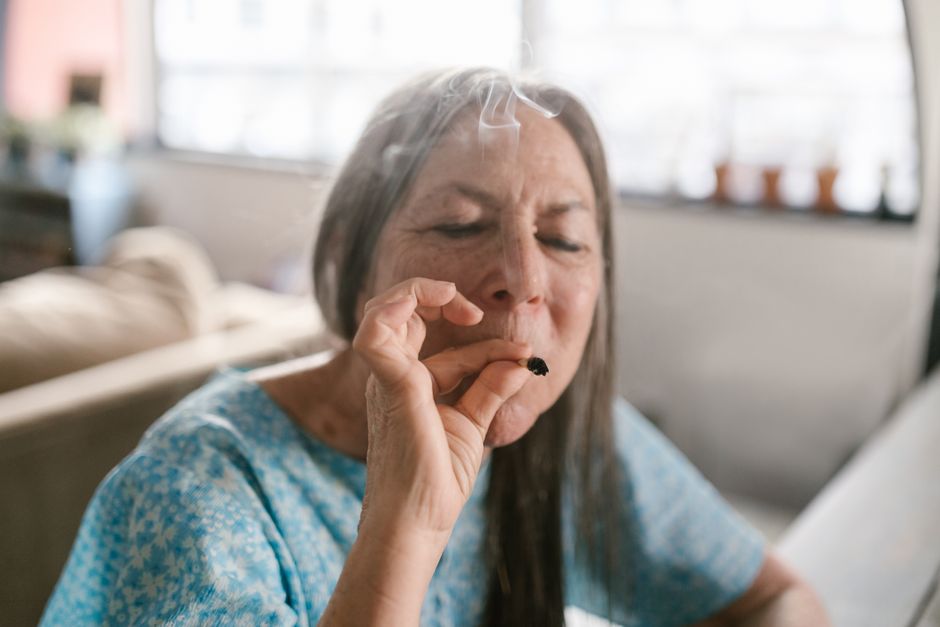
Quitting marijuana is a real process, and it works differently for everyone. The most effective approach combines a clear plan, practical tools for managing cravings, and honest preparation for withdrawal symptoms. Research shows that behavioral support—whether from a therapist, a program, or a structured app—improves your chances of success more than trying to quit cold turkey with no plan at all. The goal is not perfection; it is progress, and every attempt gives you useful information for the next one.
What Actually Happens When You Stop Smoking Marijuana
Marijuana affects your brain’s reward system. It triggers the release of dopamine, which creates the feeling of being high. When you use it regularly, your brain gets used to that extra dopamine and adjusts its own production. When you stop suddenly, your brain needs time to rebalance. That rebalancing period is called withdrawal, and it is a normal, temporary part of the process.
Withdrawal symptoms usually start within the first 24 to 48 hours after your last use. They peak around the second or third day and generally fade over one to two weeks. Some people experience lingering sleep issues or mood changes for a few weeks longer. This is not a sign of weakness or a lack of willpower. It is a biological response to a sudden change in brain chemistry.
Common symptoms include irritability, anxiety, difficulty sleeping, decreased appetite, and vivid dreams. Some people also experience headaches, stomach upset, or intense cravings. These symptoms are not dangerous, but they are uncomfortable. Knowing they are temporary and expected makes them easier to manage.
How To Stop Smoking Marijuana What Actually Works: The Evidence
The strongest evidence supports behavioral treatments. Cognitive behavioral therapy, or CBT, helps you identify the triggers that lead to use and develop different responses to them. Motivational enhancement therapy helps you strengthen your own reasons for quitting. Contingency management, which provides tangible rewards for staying abstinent, has also shown good results in clinical studies.
These therapies work because they address the habits and routines around marijuana use, not just the physical dependence. For example, if you always smoke when you get home from work, CBT helps you plan a different activity for that exact moment. If you associate smoking with certain friends, you learn how to navigate those social situations without using.
There are currently no FDA-approved medications specifically for marijuana use disorder. Some research has explored medications used for other conditions, such as sleep aids or antidepressants, to manage specific withdrawal symptoms. The results have been mixed, and no medication has emerged as a standard treatment. This is an honest gap in the evidence, not a reflection of a lack of effort.
Practical Steps That Reduce Relapse Risk
Set a specific quit date and remove all marijuana, pipes, bongs, rolling papers, and grinders from your home. You cannot smoke what is not there. This simple step removes the friction between a craving and acting on it.
Identify your triggers. These are the people, places, times, and emotions that make you want to smoke. Write them down. Then write down a specific alternative action for each one. If you smoke when stressed, your alternative might be a ten-minute walk or a breathing exercise. If you smoke when bored, it might be calling a friend or starting a hobby. The alternative does not need to be perfect. It just needs to be something else you can do in that moment.
Tell people you are quitting. Social support matters. Let close friends and family know what you are doing and ask them not to offer you marijuana. If your primary social circle revolves around smoking, you may need to limit time with those people during the first few weeks. This is not permanent, but it is practical during the most vulnerable period.
Exercise is one of the most underrated tools for quitting. Physical activity reduces stress, improves mood, and helps regulate sleep. It does not have to be intense. A daily 30-minute walk is enough to make a difference. Some research suggests exercise may also reduce cravings, though the evidence is still developing.





Managing Withdrawal Symptoms Without Going Back
Sleep problems are the most common reason people relapse. Your sleep may be disrupted for one to three weeks after quitting. To help, keep a consistent sleep schedule, avoid caffeine after midday, and create a wind-down routine before bed. If you cannot sleep, get up and do something quiet until you feel tired again. Lying in bed awake and frustrated only makes it worse.
Irritability and anxiety are also common. These feelings are temporary. Remind yourself that they are withdrawal symptoms, not your permanent emotional state. Deep breathing, progressive muscle relaxation, and mindfulness exercises have all been shown to reduce anxiety. There are free apps that guide you through these techniques.
Loss of appetite is a normal part of early withdrawal. Your appetite usually returns within one to two weeks. In the meantime, eat small meals even if you are not hungry. Focus on foods that are easy to digest, like soup, yogurt, or fruit. Staying hydrated is important too.
Vivid dreams can be startling but are actually a sign your brain is recovering. Many people report intense or unusual dreams in the first weeks after quitting. They typically fade over time. There is no need to do anything about them unless they are severely disrupting your sleep quality.
What To Do If You Relapse
Relapse is common. Most people who successfully quit do not succeed on their first attempt. The research is clear that multiple quit attempts are the norm, not the exception. A relapse is not a failure. It is a data point. It tells you which triggers are stronger than your current plan.
After a relapse, take a day to reflect. Ask yourself what happened in the hours before you used. Were you stressed? Bored? Around certain people? Then adjust your plan to address that specific situation. If you relapsed because you were at a party where everyone was smoking, your plan needs to include a strategy for parties. That might mean bringing a non-smoking friend, having an exit plan, or simply not attending for a while.
Do not use a relapse as a reason to give up entirely. The evidence consistently shows that people who keep trying eventually succeed. Each attempt builds skills and self-knowledge that make the next attempt more likely to work.
When To Seek Professional Help
You do not have to do this alone. A primary care doctor can assess your situation and connect you with resources. They can also check for co-occurring conditions like depression or anxiety, which are common in people who use marijuana regularly. Treating those underlying conditions often makes quitting easier.
If you have tried to quit multiple times and cannot stay abstinent, consider a structured treatment program. These programs provide counseling, peer support, and accountability. They range from outpatient therapy to residential programs for more severe cases. The right level of care depends on your history and the severity of your use.
Online resources are also available. Some studies have looked at web-based interventions for marijuana cessation, and the results are promising. These programs offer structured lessons, tracking tools, and sometimes peer support. They are not a replacement for professional treatment, but they are a low-cost, accessible option for many people.
How Long Does It Take To Feel Normal Again
Acute withdrawal symptoms typically resolve within two to three weeks. Sleep and appetite usually improve during this window. Mood stabilizes more gradually, often over four to six weeks. Cognitive function, particularly memory and attention, may take longer. Some studies suggest it can take several months of abstinence for cognitive improvements to become noticeable, though the research on exact timelines is still limited.
Your brain is adapting to functioning without regular external dopamine stimulation. This takes time. Be patient with yourself. The discomfort you feel in the first weeks is temporary, and the long-term benefits of quitting—better sleep, clearer thinking, more money, and freedom from dependence—are substantial.
Frequently Asked Questions
How long does marijuana withdrawal last?
Acute withdrawal symptoms usually last one to two weeks, with the worst symptoms peaking around day two or three. Sleep and mood may take several more weeks to fully stabilize.
Can I quit marijuana cold turkey?
Yes, many people quit cold turkey successfully, but withdrawal symptoms can be intense. Having a plan for managing cravings and sleep problems improves your chances of staying quit.
Does exercise help with marijuana cravings?
Some research suggests exercise can reduce cravings and improve mood during withdrawal. It is a safe, low-cost tool that most people can use alongside other strategies.
Are there medications to help stop smoking marijuana?
No medications are currently FDA-approved specifically for marijuana use disorder. Some doctors may prescribe medications off-label for specific symptoms like sleep problems, but the evidence for this is limited.
