
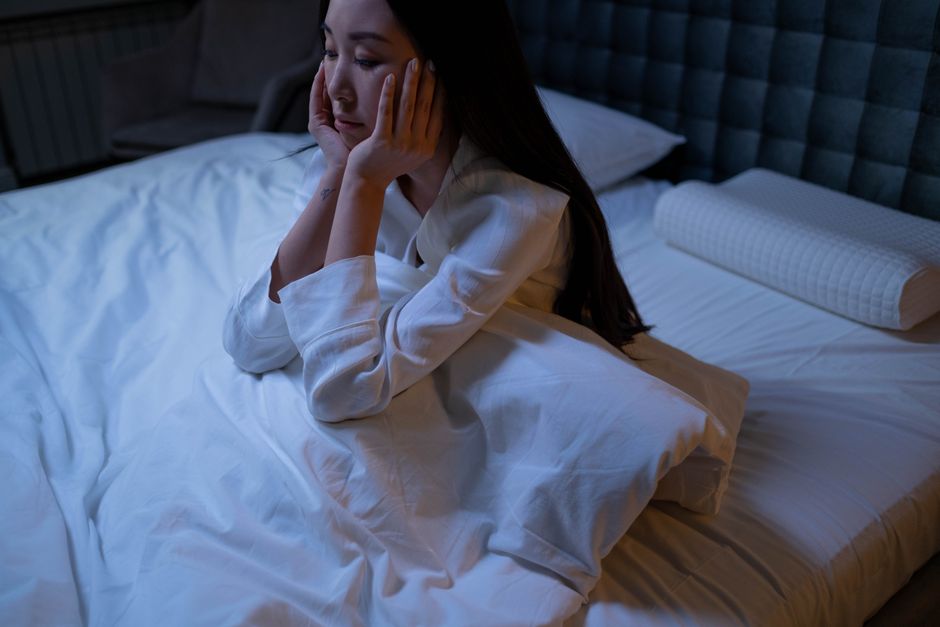
Sleep deprivation gets fixed by changing what happens in the hours before bed and, often, what happens in the hours after waking. The most reliable fixes are behavioral: a consistent wake time, morning light, limited caffeine, and a bedroom that stays cool and dark. None of these work overnight, and none of them are complicated. The catch is that people usually try several at once, quit after a few days, and conclude nothing works.
This article covers what the evidence supports, what it does not, and where popular advice falls apart.
How To Stop Sleep Deprivation: Fixes That Work
Sleep deprivation is not the same as insomnia, and the fix is not always the same. Deprivation means you are not giving yourself enough time or the right conditions to sleep. Insomnia means you have the time and the conditions, but sleep will not come or will not stay. That distinction matters because the first responds well to schedule and habit changes. The second often needs a structured clinical approach called cognitive behavioral therapy for insomnia, or CBT-I.
For straightforward deprivation, the fixes that hold up under study are unglamorous:
- Wake at the same time every day, including weekends. This anchors your body clock more than bedtime does.
- Get bright light within the first hour of waking. Outdoor light is stronger than indoor light.
- Cut caffeine after early afternoon. Caffeine has a half-life of roughly 5 to 6 hours in most adults, meaning half of it is still circulating hours later.
- Keep the bedroom cool and dark. Core body temperature needs to drop for sleep to begin.
- Move alcohol earlier in the evening or skip it. Alcohol helps people fall asleep and then fragments sleep in the second half of the night.
- Get out of bed if you are awake and frustrated for what feels like a long stretch. Lying there awake trains the brain to associate bed with being awake.
What does not work well: catching up with one long weekend lie-in. Sleeping in shifts your body clock later, which makes Monday morning harder, not easier. Recovery from a sleep debt is real, but it takes several nights of normal sleep, not one.
Why Does a Consistent Wake Time Matter More Than Bedtime?
Your body runs on an internal clock that sits in a small cluster of cells in the brain called the suprachiasmatic nucleus. That clock sets the timing of hormones, body temperature, and alertness across the day. It resets primarily from light exposure and from when you get up.
When you wake at the same time daily, the clock stays steady. When you sleep in on Saturday and Sunday, the clock drifts later, similar to a mild jet lag. This is why so many people feel foggy on Monday morning even after two long sleeps.
Bedtime is harder to control than wake time. You cannot force sleep. You can force an alarm. That is why clinicians tend to start with the wake time and let bedtime settle on its own.
One clarification worth knowing: needing eight hours is a population average, not a personal rule. Genuine short sleepers exist, but they are rare. Most people who believe they function fine on five hours are functioning, just not at their best, and often not accurately judging their own impairment.
Does Light Exposure Really Change Sleep?
Yes, and the effect is well established. Light is the strongest signal your body clock receives. Morning light advances the clock, making it easier to fall asleep earlier that night. Evening light does the opposite.
Practical points:
- Ten to thirty minutes of outdoor morning light is generally more effective than indoor lighting, which is far dimmer even when it looks bright.
- Overcast days still deliver far more light than a well-lit room.
- Screens at night matter less than their brightness and duration. Dimming screens and reducing use in the last hour before bed helps, but the bigger lever is morning light.
- For people who cannot get outside in the morning, a light therapy box may help. These are sold without prescription, and quality varies. Evidence for their use in circadian rhythm sleep disorders is reasonable; evidence for general “energy boosting” is not.
Light therapy is not risk-free for everyone. People with bipolar disorder or certain eye conditions should talk to a clinician before using a bright light box, because timing and intensity can trigger mood shifts.





What About Melatonin and Sleep Supplements?
Melatonin is a hormone, not a sedative. It signals to the body that darkness has arrived. It does not knock you out the way many people expect.
The evidence is strongest for melatonin in specific situations: jet lag and shift work, where the body clock is out of step with the environment. For general difficulty falling asleep, results in studies are mixed and the average benefit is small.
In the United States, melatonin is sold as a dietary supplement. That means it is not held to the same manufacturing standards as prescription drugs. Independent testing has repeatedly found that actual melatonin content in some products does not match the label, and some products contain more than listed. This is a real issue, not a theoretical one.
Other popular supplements, including valerian root, magnesium, and various herbal blends, have limited or inconsistent evidence for sleep. Some studies suggest small benefits; others find none. No large, well-controlled human trials have confirmed that most of these reliably improve sleep in healthy adults.
Anyone considering melatonin should talk to a clinician first, particularly people who are pregnant or breastfeeding, children, and anyone taking blood thinners, seizure medications, or immunosuppressants. No clinical guidelines currently exist for melatonin use in infants, and it should not be given to them.
When Is Sleep Deprivation a Medical Problem?
Some sleep problems are not fixed by habits. They need a diagnosis.
Talk to a doctor if any of the following apply:
- You snore heavily, gasp, or stop breathing during sleep. This can point to obstructive sleep apnea, which is common and treatable but not something lifestyle changes resolve.
- You feel an urge to move your legs at night that eases when you move them. This may be restless legs syndrome.
- You fall asleep unintentionally during the day despite getting enough time in bed. This can signal narcolepsy or another disorder.
- You have been sleeping poorly for more than a few weeks and it is affecting work, mood, or relationships. This pattern fits insomnia and responds well to CBT-I, which is considered first-line treatment.
- You wake very early and cannot return to sleep, especially alongside low mood. This can be a sign of depression.
Sleep apnea deserves emphasis. It is common, it is underdiagnosed, and untreated it is linked to high blood pressure, heart rhythm problems, and stroke risk. No amount of sleep hygiene fixes a blocked airway. If a partner tells you that you stop breathing at night, take it seriously.
How Long Does It Take to Recover From Sleep Deprivation?
There is no single number, and anyone who gives you one is guessing. What is well established is that recovery is not instant and not linear.
After a period of restricted sleep, reaction time, mood, and attention tend to improve within a few nights of normal sleep. Some aspects of performance, particularly sustained attention, can take longer. Research on chronic partial sleep restriction suggests that the brain does not fully bounce back after a single recovery night, and that people underestimate how impaired they still are.
The practical takeaway: if you have been short on sleep for weeks, expect recovery to take more than a weekend. Prioritize a stable schedule for at least a week or two before judging whether things are working.
One thing to avoid is the trap of trying to “make up” sleep by going to bed much earlier than usual. That often leads to lying awake, which worsens the problem. Move bedtime earlier by 15 to 30 minutes at a time, not by hours.
What Actually Helps When Nothing Seems to Work?
If you have tried the basics and sleep is still poor, the problem is likely not a missing habit. It is more likely one of three things:
- An untreated sleep disorder such as apnea or restless legs.
- A circadian rhythm problem, where your internal clock is timed differently than your life requires. Shift work and delayed sleep phase are common examples.
- A behavioral pattern where the bed has become associated with frustration and wakefulness. This is what CBT-I is designed to break.
CBT-I is not just “sleep tips.” It is a structured program, usually 4 to 8 sessions, that includes sleep restriction, stimulus control, and cognitive work. Multiple trials and clinical guidelines support it as first-line treatment for chronic insomnia, and its effects tend to last longer than sleep medication.
Sleep medications have a role in some situations, usually short-term. They are not a fix for chronic deprivation, and most carry risks of dependence, next-day grogginess, and interactions. Whether one is appropriate is a conversation for a clinician, not a decision to make from a search result.
The bottom line: the fixes that work are consistent, boring, and slow. They also work for most people who actually stick with them. When they do not, that is information, not failure. It usually means something specific is going on that deserves a proper look.
Frequently Asked Questions
How long does it take to fix sleep deprivation?
Most people notice improvement in mood and alertness within a few nights of consistent, adequate sleep. Full recovery from weeks of short sleep can take longer, and there is no single reliable timeline.
Is it okay to sleep in on weekends to catch up?
Sleeping in shifts your body clock later, which can make Monday harder. A modest extra hour is usually fine, but large weekend lie-ins tend to worsen the weekly pattern.
Does melatonin actually work for sleep deprivation?
Melatonin works best for timing problems like jet lag and shift work, not for general sleep deprivation. Evidence for it helping ordinary difficulty falling asleep is mixed and the average benefit is small.
When should I see a doctor about poor sleep?
See a doctor if poor sleep lasts more than a few weeks, affects your daily functioning, or comes with snoring, gasping, or unintentional daytime sleepiness. These signs can point to conditions that habits alone will not fix.
