
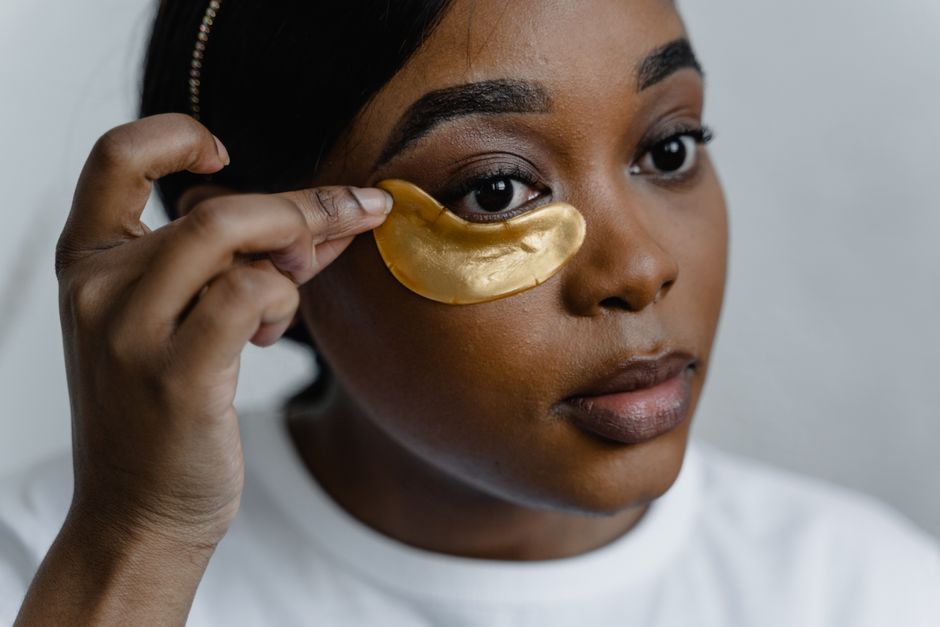
Dark circles from lack of sleep usually fade once you start sleeping enough again. The skin under your eyes is the thinnest on your body, so when you are short on sleep, blood flow slows and pools in the vessels there. That pooling shows through as a bluish or purplish shadow. Fixing the sleep itself is the main treatment. The rest — cold compresses, hydration, a little caffeine in a cream — can help while your body catches up.
Why Does Lack Of Sleep Cause Dark Circles?
The skin under your eyes is roughly 0.5 millimeters thick — about four times thinner than skin on most of your body. That thinness is why what happens underneath is so visible.
When you do not sleep enough, several things happen at once. Blood flow to the area slows, so blood collects in the small veins under the eyes. Because the skin is thin and somewhat translucent, that pooled blood reads as a blue or purple tint. This is not pigment. It is what is happening in the vessels.
Sleep also affects fluid balance. Poor sleep is linked to higher levels of cortisol, and cortisol shifts how the body holds onto water and sodium. That can leave the area under the eyes puffy. Puffiness creates a shadow, which makes the dark area look worse than it is. So you often get two things stacked on top of each other: a color change from blood pooling and a shadow from swelling.
One more factor: sleep is when the body runs much of its repair and fluid-clearing work. Research on the brain’s waste-clearing system suggests this kind of clearance happens more efficiently during sleep. The same general principle applies to tissue elsewhere. Skip the sleep, and the normal overnight reset does not fully happen.
This is also why dark circles from poor sleep tend to look worse in the morning. Fluid has been pooling while you lay flat, and you have not yet been upright and moving long enough to redistribute it.
How To Get Rid Of Dark Circles From Lack Of Sleep
The single most effective thing you can do is sleep. Not a nap. A real, consistent stretch of sleep on a regular schedule. Dark circles driven by sleep loss are a symptom, and treating the symptom without treating the cause rarely works for long.
Here is what the evidence supports, in rough order of how much it matters.
- Get consistent sleep. Aim for the same sleep and wake times daily. Consistency matters as much as total hours for how your body regulates fluid and stress hormones.
- Sleep with your head slightly elevated. An extra pillow can reduce fluid pooling under the eyes overnight. This is simple and low-risk.
- Cold compresses. A cool cloth or chilled spoon for a few minutes constricts blood vessels and can temporarily reduce both puffiness and the visible blue tint. The effect is real but short-lived.
- Stay hydrated. Dehydration makes the body retain fluid, which can worsen puffiness. Drinking enough water supports normal fluid balance.
- Limit salt and alcohol in the evening. Both can increase overnight fluid retention and puffiness.
- Remove eye makeup fully before bed. Leftover product can irritate the skin and cause rubbing, which darkens the area over time.
None of these is a cure. They reduce the appearance while your sleep debt resolves. If your sleep is genuinely restored and the circles remain, the cause is probably something other than sleep.
Do Eye Creams And Home Remedies Actually Work?
Some do a little. Most do less than the label suggests. It helps to know which claims have support and which do not.
Caffeine creams. Caffeine constricts blood vessels when applied topically. Some small studies show a modest, temporary reduction in puffiness and darkness. The effect is short-lived and not a fix for the underlying cause.
Cold compresses and chilled tools. These work through the same vessel-constricting mechanism. They are among the more reliable short-term options, and they are cheap.
Vitamin C and niacinamide. These are used for pigmentation and skin support. They may help if your dark circles have a pigment component, but they do nothing for the vascular or shadow type caused by sleep loss.
Retinoids. These can thicken the skin over time, which may make underlying vessels less visible. The effect takes weeks to months and requires consistent use. They can also irritate the thin under-eye skin, so they are not for everyone.
Hemorrhoid cream, Preparation H, and similar. This is a persistent internet remedy. It is not supported by evidence for under-eye use, and the skin there is far more delicate than the area these products are designed for. Skip it.
Cucumber slices. The benefit, if any, comes from the cold and the water content, not the cucumber itself. A chilled spoon does the same job.
No topical product fixes dark circles caused by sleep loss. They can soften the appearance. They cannot replace the sleep.





What Else Causes Dark Circles Besides Poor Sleep?
If you have slept well for weeks and the circles are still there, sleep is probably not the main driver. Several other causes are common.
- Genetics. Under-eye skin thickness and the visibility of vessels are largely inherited. Some people simply have thinner skin or more visible vasculature.
- Allergies and nasal congestion. Chronic congestion dilates the veins around the eyes and nose, which darkens the area. This is sometimes called allergic shiners. Treating the allergy often helps more than any eye cream.
- Pigmentation. In many people, especially those with darker skin tones, the darkness is actual melanin, not blood. This type does not respond to cold compresses or caffeine.
- Volume loss and aging. As the fat pads under the eyes thin with age, a hollow forms and casts a shadow. This is structural, not vascular.
- Anemia and iron deficiency. Low iron can make the skin look paler, which makes underlying vessels more noticeable. This is worth checking with a doctor if you have other symptoms like fatigue.
- Dehydration. Even mild dehydration can make the under-eye area look sunken and dull.
- Smoking. Smoking damages blood vessels and skin over time and is associated with more pronounced under-eye darkness.
This matters because the treatment depends entirely on the cause. Cold compresses and sleep will not touch pigmentation. Allergy treatment will not fix volume loss. Getting the cause right is the whole game.
How Long Does It Take For Dark Circles To Go Away?
If sleep loss is the cause and it was short-term, you may see improvement within a few days of consistent, adequate sleep. That is the honest range for a mild, recent case.
If you have been running a sleep debt for weeks or months, expect longer. The body’s fluid regulation and stress hormone patterns take time to normalize. A week or two of good sleep is a reasonable window to judge whether sleep was the issue at all.
If nothing changes after a few weeks of genuinely good sleep, that is useful information. It points away from sleep and toward one of the other causes. At that point, a doctor can help sort out whether allergies, anemia, pigment, or something structural is at play.
There are no clinical guidelines that give an exact timeline for resolving sleep-related dark circles, because it depends on how long the sleep debt lasted and what other factors are involved. The general direction is reliable. The precise number of days is not.
When Should You See A Doctor About Dark Circles?
Dark circles are usually cosmetic and harmless. But sometimes they signal something worth checking.
See a doctor if the darkness appears suddenly, if it affects only one eye, or if it comes with other symptoms. Fatigue, shortness of breath, unusual paleness, or easy bruising can point to anemia or another underlying condition. Swelling that is new, painful, or persistent also deserves a look.
If you have tried improving your sleep for several weeks and the circles have not changed at all, a doctor can help identify whether allergies, iron levels, or a skin condition is involved. Most cases turn out to be benign. A few are not, and it is worth knowing which one you have.
Frequently Asked Questions
Can lack of sleep really cause dark circles?
Yes. Poor sleep slows blood flow under the eyes and can increase fluid retention, both of which make the thin under-eye skin look darker and puffier. The effect is real and usually reverses with consistent sleep.
How do you get rid of dark circles fast?
Cold compresses and a few extra hours of sleep give the fastest visible improvement, often within a day or two for a mild case. No product removes them instantly, and any quick fix is temporary.
Does drinking water help dark circles from poor sleep?
Staying hydrated supports normal fluid balance and can reduce puffiness, which softens the shadow under the eyes. It helps, but it does not replace sleep as the main fix.
Are dark circles from lack of sleep permanent?
No. When sleep loss is the cause, they typically fade once sleep is restored consistently. If they remain after several weeks of good sleep, another cause like genetics, allergies, or pigmentation is likely involved.
