
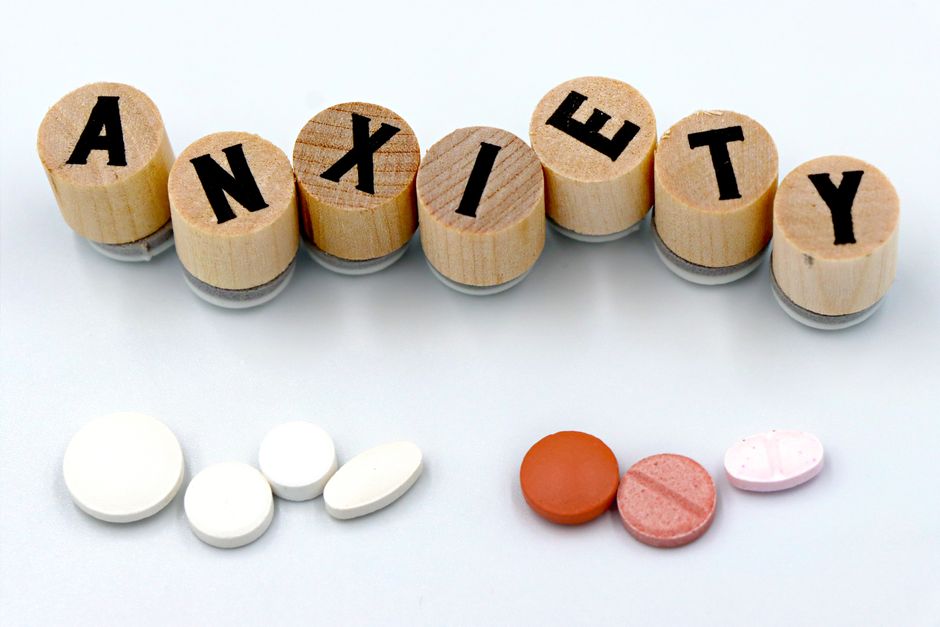
Shaking from anxiety happens because your nervous system has shifted into a stress response, releasing adrenaline and cortisol that make your muscles tense and tremble. The most effective natural approaches calm that stress response directly: slow breathing, grounding techniques, physical movement, and reducing stimulants. These methods can reduce trembling in the moment and over time, though persistent or severe shaking should be evaluated by a doctor to rule out other causes.
Why Does Anxiety Make You Shake?
When your brain perceives a threat, it activates the sympathetic nervous system. This is your body’s alarm system. It releases adrenaline and cortisol into your bloodstream.
Those hormones prepare your muscles for action. Your muscle fibers tighten and contract. When there is no physical outlet for that tension, the muscles tremble. It is essentially a discharge of built-up nervous energy.
This response is normal. It is not a sign that something is wrong with your muscles or your nerves. It is your body doing exactly what it evolved to do — preparing you to fight or flee.
The problem is that the threat is often psychological, not physical. A work deadline, a social situation, or a racing thought can trigger the same response as a physical danger. Your body cannot tell the difference.
Some people shake in their hands. Others notice it in their legs, jaw, or voice. The location can vary based on which muscle groups you tend to hold tension in.
How Does Breathing Help Stop the Shaking?
Slow, controlled breathing activates the parasympathetic nervous system. This is the branch of your nervous system responsible for rest and recovery. It acts as a brake on the stress response.
When you breathe slowly and deeply, your heart rate slows. Your blood pressure drops slightly. Muscle tension begins to release. This is not a psychological trick — it is a measurable physiological shift.
The key is extending your exhale. A longer exhale than inhale is what triggers the calming response. Try breathing in through your nose for a count of four, then out through your mouth for a count of six or eight.
You do not need to be perfect at this. Even a few slow breaths can begin to shift your nervous system out of the stress state. The more you practice, the easier it becomes to access this response when you need it.
One clarification worth noting: breathing techniques work best when practiced regularly, not just during a crisis. People who practice daily tend to get faster results in acute moments.
What Grounding Techniques Calm Trembling Fast?
Grounding pulls your attention away from the anxiety spiral and back to the present moment. This interrupts the feedback loop where anxious thoughts fuel physical symptoms, which then fuel more anxious thoughts.
The 5-4-3-2-1 technique is widely used. You name five things you can see, four you can touch, three you can hear, two you can smell, and one you can taste. This engages multiple senses and anchors you in your environment.
Another approach is temperature. Splashing cold water on your face or holding something cold can activate the dive reflex, which slows your heart rate. Some clinicians recommend this for acute anxiety. The evidence for it is strongest for certain specific situations, but many people find it helpful.
Physical grounding also works. Press your feet firmly into the floor. Notice the pressure. Squeeze your hands together and release. These small actions give your nervous system a concrete physical sensation to focus on instead of the internal alarm.
-
 How to Lower Heart Rate Immediately Anxiety? A Simple Guide That Helps
 -
How to Tell If You Have Anxiety or Depression? A Simple Guide
-
How to Manage Anxiety? A Simple Guide That Helps
-
How to Get Rid of Social Anxiety? Simple Steps That Help
-
Pineal Guardian X Reviews: Does This Liquid Brain Drop Actually Work?





Can Movement Reduce Anxiety Shaking?
Yes. Movement gives the adrenaline somewhere to go. When your body is flooded with stress hormones, physical activity helps metabolize them.
This does not mean you need to run a mile. A short walk, stretching, or even shaking out your hands and arms deliberately can help discharge the tension. Some people find that progressive muscle relaxation — tensing and then releasing each muscle group — reduces trembling.
Regular exercise also has a broader effect. Research consistently shows that people who exercise regularly tend to have lower baseline anxiety levels. The effect is not immediate for everyone, but it builds over time.
The type of movement matters less than consistency. Walking, swimming, yoga, or weight training can all help. The best option is one you will actually do regularly.
Do Lifestyle Changes Make a Difference?
Caffeine and alcohol are two common culprits that can worsen anxiety-related shaking. Caffeine stimulates the nervous system and can mimic or amplify anxiety symptoms. Alcohol can create a rebound effect — it may feel calming initially, but it disrupts sleep and can increase anxiety the next day.
Sleep is another major factor. When you are sleep-deprived, your stress response is more easily triggered. Your ability to regulate emotions decreases. Prioritizing consistent sleep can reduce how often and how intensely you shake.
Blood sugar fluctuations can also play a role. Skipping meals or eating mostly refined carbohydrates can cause energy crashes that make you feel jittery. Eating regular meals with protein and fiber helps stabilize energy levels.
When Should You See a Doctor About Shaking?
Not all shaking is caused by anxiety. Tremors can be a symptom of other conditions, including neurological disorders, thyroid problems, low blood sugar, and side effects of certain medications.
See a doctor if your shaking is persistent, gets worse over time, happens during rest, or is accompanied by other symptoms like weakness, difficulty walking, or changes in speech. These signs warrant a medical evaluation.
Also seek professional support if anxiety is significantly affecting your daily life. This includes trouble working, maintaining relationships, or leaving your home. Therapy and medication are evidence-based treatments for anxiety disorders. Natural approaches can complement them, but they are not a substitute when symptoms are severe.
If you are having thoughts of harming yourself, contact a crisis line or emergency services immediately.
How to Stop Shaking from Anxiety Naturally: Putting It Together
No single technique works for everyone. Most people benefit from combining several approaches.
- Practice slow breathing daily so it becomes automatic under stress
- Use grounding techniques when shaking starts
- Move your body regularly to metabolize stress hormones
- Reduce or eliminate caffeine if it worsens your symptoms
- Protect your sleep and eat regular meals
- Talk to a professional if anxiety is interfering with your life
Progress is not always linear. Some days will be better than others. The goal is not to eliminate anxiety entirely — that is not realistic. The goal is to build tools that help you respond to it more effectively.
Frequently Asked Questions
Can anxiety really cause physical shaking?
Yes. Anxiety triggers the release of adrenaline and cortisol, which tense your muscles and can cause visible trembling. This is a normal stress response, not a sign of weakness or a muscle disorder.
How long does anxiety shaking usually last?
It varies. Some episodes pass within minutes once the stress response settles. Others may last longer if the anxiety trigger continues or if you are caught in a cycle of anxious thoughts feeding physical symptoms.
Is it possible to stop anxiety shaking without medication?
Many people manage mild to moderate anxiety-related shaking with breathing exercises, grounding, movement, and lifestyle changes. If symptoms are severe or persistent, professional treatment including therapy or medication may be necessary.
What vitamin deficiency can cause shaking?
Low levels of certain nutrients, including magnesium and vitamin B12, have been associated with tremors in some cases. However, anxiety is a more common cause of shaking in otherwise healthy adults. A doctor can check for deficiencies if needed.
