
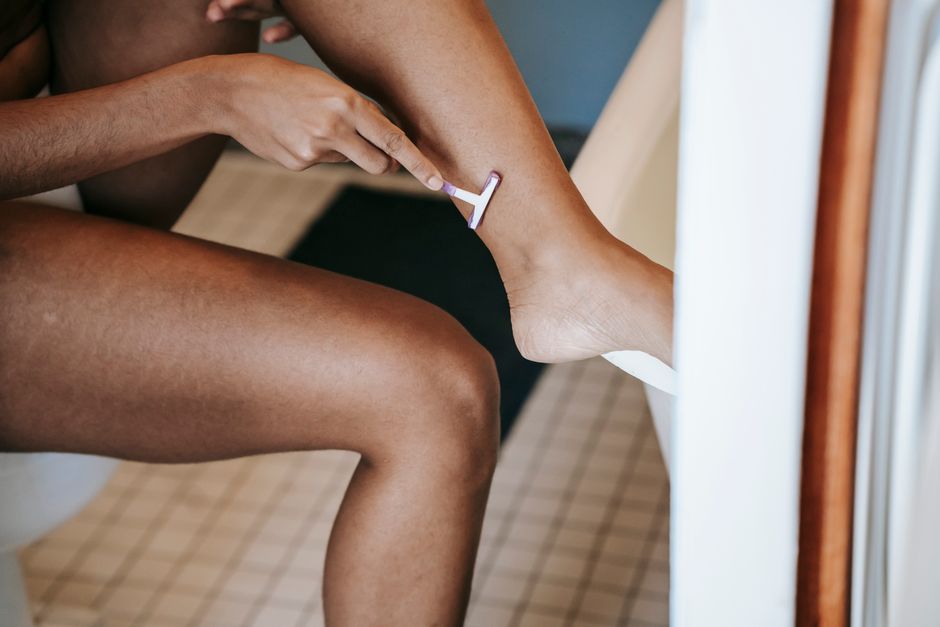
Razor burn on your legs is that red, stinging, bumpy irritation that shows up right after you shave. It happens when the razor drags across the skin, irritating the top layer and often causing ingrown hairs. The fix is straightforward: change how you prepare your skin, switch your technique, and care for your legs properly after you shave. You can stop razor burn before it starts by using a sharp blade, plenty of lubrication, and shaving in the direction your hair grows.
Why Do You Get Razor Burn On Your Legs?
Razor burn is not an infection. It is mechanical irritation. The razor scrapes away dead skin cells along with the hair, and this friction inflames the hair follicles and the surrounding skin. When the blade is dull, it pulls at the hair instead of cutting it cleanly, which increases the irritation.
Dry shaving makes it worse. Without water and a lubricant, the blade catches on the skin and creates micro-tears. These tiny tears trigger redness and a burning sensation. Tight clothing worn right after shaving can rub against this already irritated skin, making the burn worse.
Some people also get small red bumps that appear a day or two later. These are often ingrown hairs. The hair grows out of the follicle, curls back, and re-enters the skin. This causes the bump and sometimes mild discomfort. Razor burn and ingrown hairs are related but not the same thing. Razor burn is immediate surface irritation. Ingrown hairs develop over time as the hair regrows.
What Is The Best Way To Prepare Your Legs Before Shaving?
Preparation matters more than the razor itself. Shaving on dry skin is the single fastest way to guarantee razor burn. Warm water softens the hair and opens the pores slightly. The hair becomes more pliable, which means the blade can cut it with less resistance.
Shave at the end of your shower or bath. Give your legs at least five to ten minutes of exposure to warm water before you pick up the razor. This softens the hair shaft and hydrates the outer layer of skin. If you shave first thing in the shower, the hair is still stiff and the skin is not fully hydrated.
Exfoliate gently before you shave. A soft washcloth or a mild body scrub removes the layer of dead skin cells that can clog the razor. When the razor is clogged, it skips across the skin instead of gliding. This skipping motion is a direct cause of razor burn. Do not scrub hard. The goal is to smooth the surface, not to strip the skin.
Use a thick shave cream or gel. Soap lather is often too thin. A dedicated shaving product creates a barrier between the blade and your skin. Look for something labeled for sensitive skin if you have a history of irritation. Fragrance-free formulas are less likely to cause a reaction.
What Shaving Technique Prevents Razor Burn?
Your technique determines your outcome. Pressing the razor hard against your leg does not get a closer shave. It forces the blade deeper into the skin, removing more of the top layer and increasing inflammation. Use light pressure. Let the weight of the razor do the work.
Shave in the direction your hair grows. On most legs, this means shaving downward from knee to ankle. Shaving against the grain gives a closer result, but it also increases the risk of razor burn and ingrown hairs significantly. If you want a very close shave, you can shave against the grain on the second pass, but only if your skin tolerates it. Most people with sensitive skin should avoid the second pass entirely.
Rinse the blade after every stroke. A clean blade cuts cleanly. A blade loaded with hair and cream drags and pulls. Run the razor under warm water between each pass. Do not use hot water, as this can damage the blade’s coating over time.
Do not go over the same spot repeatedly. One pass is usually enough. Multiple passes over the same area strip the skin and increase irritation. If you missed a patch, apply more shave cream before going back over it. Never dry-touch up an area.





How To Stop Razor Burn On Legs: Causes And Fixes
Razor burn on the legs has three main causes: dull blades, poor lubrication, and friction from technique. Fixing all three at once is the most reliable way to stop the problem.
A dull blade is the most common culprit. A razor blade dulls faster than most people realize. After five to seven uses, the blade edge starts to degrade. A dull blade does not cut the hair. It pulls it and then snaps it. This pulling motion irritates the follicle and often leads to ingrown hairs. Replace your blade regularly. If you shave your legs two to three times per week, change the blade every two weeks.
Lubrication is non-negotiable. The blade should never touch dry skin. Even in the shower, the water alone is not enough. Water reduces friction, but it does not provide the slip that a shave cream or gel offers. The cream lifts the hair slightly and allows the blade to glide.
Friction from technique includes shaving too fast, using too much pressure, and shaving against the grain. Slow down. Short strokes are better than long sweeping ones. Long strokes cover more area but create more drag. Short strokes of two to three inches give you more control and reduce the friction on each pass.
How Should You Care For Your Legs After Shaving?
What you do after shaving is as important as what you do before. Rinse your legs with cool water after you finish. Cool water helps close the pores and calms the skin. Pat your legs dry with a clean towel. Do not rub. Rubbing freshly shaved skin creates friction that can trigger irritation.
Apply a moisturizer within a few minutes of drying. Shaving removes some of the skin’s natural oils. A fragrance-free moisturizer replaces that lost hydration and soothes the skin. Look for ingredients like aloe vera or glycerin. These are humectants that draw water into the skin.
Avoid tight clothing immediately after shaving. Tight leggings, jeans, or athletic wear can rub against the freshly shaved skin. This friction can turn mild irritation into full razor burn. Wear loose clothing or cotton fabrics for the first few hours after you shave.
Do not apply heavy oils or petroleum-based products right after shaving. These can trap heat and bacteria against the skin, which may worsen irritation. A light, water-based moisturizer is the safer choice.
What Helps If You Already Have Razor Burn?
If the damage is already done, the goal is to calm the skin and reduce inflammation. Cool compresses help. Soak a clean cloth in cool water and place it on the affected area for five to ten minutes. This constricts blood vessels and reduces redness.
Aloe vera gel is a well-established remedy for minor skin irritation. It has anti-inflammatory properties and provides a cooling sensation. Choose a pure aloe gel without added alcohol or fragrance. Alcohol stings and dries the skin further.
Over-the-counter hydrocortisone cream can help with severe redness and itching. Use it sparingly and only for a day or two. Prolonged use of hydrocortisone thins the skin. If the irritation does not improve within a few days, it may not be simple razor burn.
Do not scratch or pick at the bumps. Scratching opens the skin and invites bacteria in. If the bumps are actually ingrown hairs, picking at them can push the hair deeper. Leave them alone and let them resolve on their own.
When Should You See A Doctor About Leg Irritation?
Most razor burn clears up on its own within two to three days. If the redness spreads, becomes warm to the touch, or starts oozing fluid, it may be infected. This requires medical attention.
Seek care if the irritation lasts longer than a week despite good skin care. Persistent bumps that do not improve could be folliculitis, which is an infection of the hair follicles. Folliculitis sometimes requires a prescription antibiotic treatment. A doctor can tell the difference between simple razor burn and a bacterial infection.
People with diabetes or weakened immune systems should be more cautious. Their skin heals slower and infections progress faster. If you have an underlying condition that affects healing, do not wait a week to see a professional.
Frequently Asked Questions
Does shaving cream actually prevent razor burn?
Yes. Shaving cream creates a protective barrier that allows the blade to glide smoothly over the skin. Shaving without it significantly increases friction and the risk of razor burn.
How often should you replace a razor for leg shaving?
Replace your razor every five to seven uses or every two weeks, whichever comes first. A dull blade pulls at the hair and irritates the skin instead of cutting cleanly.
Is it better to shave legs with or against the hair growth?
Shave in the direction the hair grows to prevent razor burn. Shaving against the grain gives a closer shave but greatly increases irritation and ingrown hairs.
Can tight pants cause razor burn on your legs?
Tight clothing does not cause razor burn, but it makes existing irritation worse. Friction from tight fabric rubs against freshly shaved skin and prolongs redness and discomfort.
