
A COPD cough is not just a symptom. It is a daily battle that drains energy, interrupts sleep, and can leave you feeling breathless and frustrated. The most effective way to stop or reduce the cough is to manage the underlying disease with prescribed medications and to use specific airway clearance techniques that help move mucus out of your lungs. No home remedy cures COPD, but a combination of clinical treatments and practical techniques can significantly reduce coughing episodes and improve your quality of life.
Why Does COPD Cause Such a Persistent Cough?
COPD, or chronic obstructive pulmonary disease, damages the airways in your lungs. This damage has two main effects that cause coughing. First, the airways become narrow and inflamed. Second, the lungs produce excess mucus in an attempt to protect themselves.
Your body coughs because it is trying to clear that thick mucus from the narrow passages. It is a reflex, not a habit. The cough becomes chronic because the mucus keeps building up. In healthy lungs, tiny hair-like structures called cilia sweep mucus up and out. In COPD, those cilia are often damaged, so the mucus sits in the lungs and triggers the cough reflex repeatedly.
Understanding this mechanism matters. It explains why cough suppressants that simply stop the reflex are not the answer. The cough is doing a job — clearing mucus. The goal is to make that clearing process more efficient, not to shut it down entirely.
Are There Medications That Actually Stop the Cough?
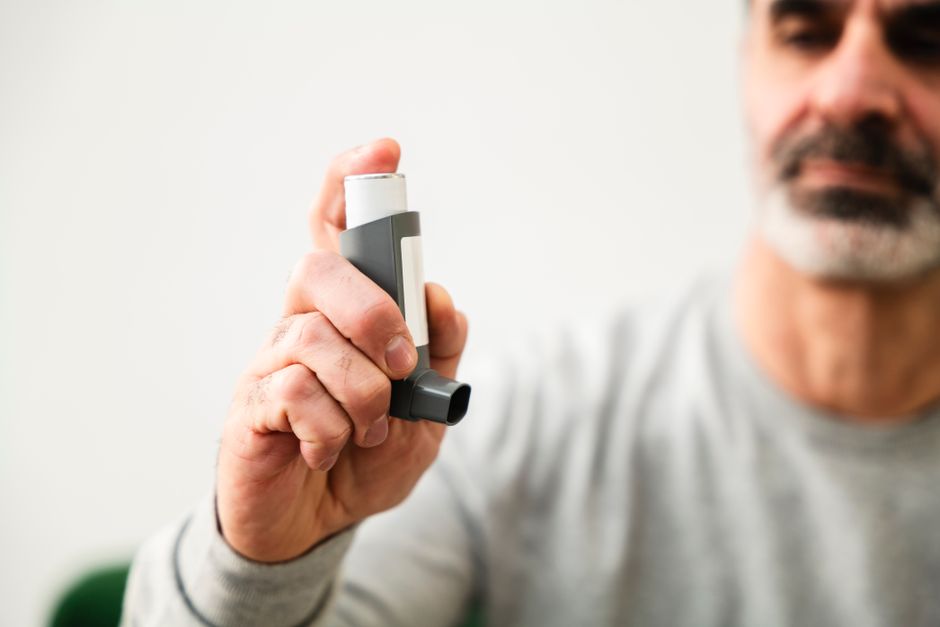
Yes, but they work on the cause, not the cough itself. The most important treatments are bronchodilators. These are inhaled medications that relax the muscles around your airways, opening them up so air can move more freely.
When airways are open, it is easier to cough effectively. A forceful cough requires a deep breath in followed by a strong push of air out. If your airways are tight, that push is weak. Bronchodilators, including short-acting and long-acting types, help restore that strength.
Inhaled corticosteroids are another common treatment. They reduce inflammation in the airways. Less inflammation often means less mucus production. For many people, using these medications consistently reduces the frequency and severity of coughing fits over time.
It is critical to use inhalers correctly. Many people do not. If you are unsure whether your technique is right, ask your doctor or a respiratory therapist to watch you use it. Poor technique means the medication never reaches the lungs, and the cough continues regardless of the prescription.
What Airway Clearance Techniques Reduce Coughing?
Airway clearance techniques are physical methods that help move mucus out of the lungs. They are not just theoretical ideas — they are standard parts of pulmonary rehabilitation programs. They work best when done regularly, often once or twice daily.
Controlled coughing is one of the most effective techniques. It sounds simple, but it is different from a spontaneous cough. Sit upright, lean forward slightly, and take a slow deep breath. Hold that breath for a few seconds. Then, with your mouth slightly open, cough two or three times with short, sharp pushes. This method uses less energy and moves more mucus than a single violent cough.
Huff coughing is a gentler alternative. Take a deep breath in. Then, with your mouth open, breathe out forcefully while saying the word “huff.” You are pushing air out with enough force to move mucus, but not so much force that it causes your airways to collapse. Many respiratory therapists recommend this over traditional coughing because it is less exhausting.
Postural drainage involves lying in specific positions to let gravity help drain mucus from different parts of the lungs. A doctor or physical therapist must teach you these positions. They are not intuitive, and doing them incorrectly provides no benefit.




How To Stop A COPD Cough Remedies And Techniques: What Works at Home?
Several home-based techniques can complement your medical treatment. None of these replace your prescribed inhalers, but they can reduce how often you cough and how severe the episodes are.
Steam inhalation is widely used. The idea is that moist air thins mucus, making it easier to clear. Some research supports this, though the evidence is not definitive. If you try it, use a bowl of hot water or a warm shower, not boiling water that risks burns. Stop if you feel your airways tighten — steam triggers wheezing in some people with COPD.
Hydration is more straightforward. Drinking enough water keeps mucus thinner. Dehydrated mucus is thick, sticky, and harder to cough out. There is no exact recommended amount for COPD specifically, but aiming for adequate daily fluid intake, unless your doctor restricts fluids for another condition like heart failure, is reasonable.
Humidifiers in the bedroom can help, especially in dry climates or during winter. Dry air can irritate already sensitive airways. Keep the humidity level moderate — around 30 to 50 percent. Too much humidity encourages dust mites and mold, which are common triggers.
Controlled breathing techniques, especially pursed-lip breathing, help during a coughing episode. Inhale slowly through your nose. Purse your lips as if you are about to whistle. Exhale slowly through your lips, taking about twice as long to exhale as you did to inhale. This keeps airways open longer and helps you expel trapped air. It does not directly stop the cough, but it helps you manage the breathlessness that often accompanies a coughing fit.
When Does Coughing Signal a Dangerous Flare-Up?
Not all coughing is the same. A sudden increase in cough, especially when paired with other symptoms, can signal an exacerbation — a flare-up where COPD suddenly gets worse. Exacerbations are serious events that can lead to hospitalization and permanent loss of lung function.
Watch for these warning signs. A cough that produces more mucus than usual. Mucus that changes color from clear or white to yellow, green, or brown. Increased shortness of breath. Wheezing that is worse than your normal baseline. Fever. Or a sudden need for your rescue inhaler more often than usual.
If you notice these changes, contact your healthcare provider promptly. Do not wait to see if it passes. Early treatment of an exacerbation, often with antibiotics or oral steroids, can prevent a minor problem from becoming a hospitalization. Some people benefit from having a written action plan from their doctor that explains exactly what to do when symptoms worsen.
Also, a cough that produces blood, even a small amount, requires immediate medical attention. This is not something to manage at home.
What Lifestyle Changes Reduce Cough Frequency?
Smoking cessation is the single most important step. If you smoke, quitting is the only intervention proven to slow the progression of COPD. The cough often gets worse in the first weeks after quitting as the lungs begin clearing out decades of accumulated mucus. This temporary increase does not mean quitting is wrong. It means your lungs are healing and cleaning themselves. The cough typically improves significantly within a few months.
Avoiding triggers is equally important. Common triggers include secondhand smoke, dust, strong chemical fumes, pollution, and cold air. If cold air makes you cough, covering your nose and mouth with a scarf in winter warms the air before it reaches your lungs.
Vaccinations matter more than many people realize. Influenza and pneumococcal infections can cause severe exacerbations in people with COPD. Staying current on recommended vaccines reduces your risk of infection-triggered coughing episodes.
Pulmonary rehabilitation is another option. This is a structured program of exercise, education, and breathing training run by healthcare professionals. Research consistently shows it improves exercise capacity and quality of life in COPD. It also teaches you specific techniques for managing breathlessness and cough that are tailored to your individual needs.
Are Over-the-Counter Cough Suppressants Safe for COPD?
Generally, no. Over-the-counter cough suppressants like dextromethorphan are designed to stop the cough reflex. In COPD, the cough is clearing mucus from your lungs. Suppressing it allows mucus to pool, which increases the risk of lung infections.
Expectorants like guaifenesin are marketed to thin mucus. The evidence for their effectiveness in COPD is weak. Some people report benefit, but clinical trials have not consistently confirmed that they improve outcomes.
This is an area where you should ask your doctor before trying anything over the counter. Your doctor knows your specific lung function and can advise whether any OTC product is appropriate. Do not assume that because something is available without a prescription it is automatically safe for your condition.
Frequently Asked Questions
Can drinking water stop a COPD cough?
Staying hydrated thins mucus, making it easier to clear, but it does not stop the cough entirely.
Is a COPD cough worse in the morning?
Many people with COPD cough more in the morning because mucus accumulates in the lungs overnight while lying flat.
Does steam inhalation help a COPD cough?
Moist air can help thin mucus for some people, but it triggers wheezing in others, so you must test it cautiously.
When should I go to the hospital for a COPD cough?
Seek emergency care if you cough up blood, have severe chest pain, or cannot catch your breath even at rest.
