
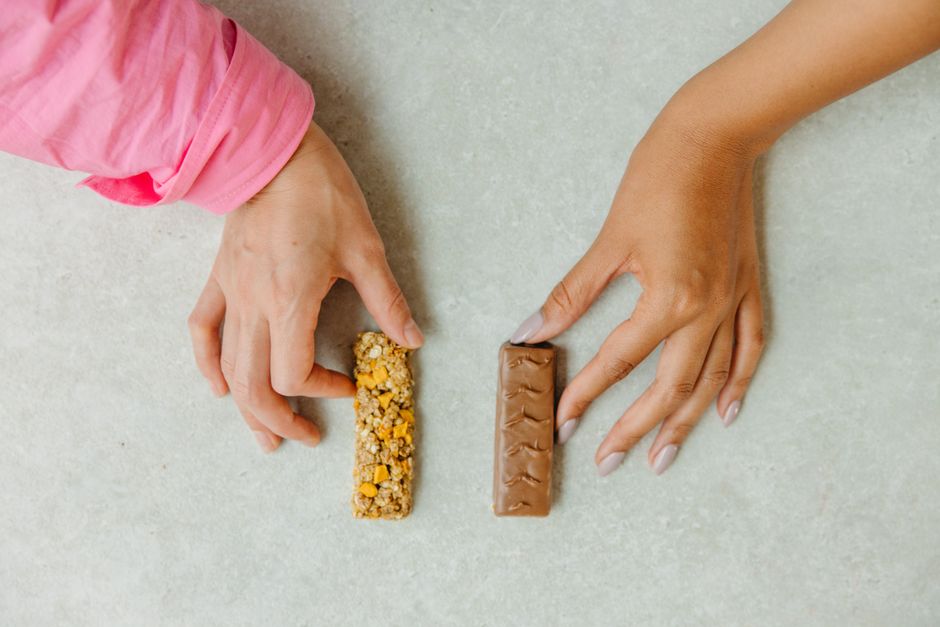
Night snacking is rarely about a lack of willpower. It is usually a mix of habits, hormones, and daily eating patterns that line up to make the kitchen very appealing after dark. You can stop it by addressing the root causes: eating enough during the day, managing stress, and changing your environment so the decision to snack requires actual effort.
Why Do You Get Hungry at Night?
Your body runs on a daily clock called the circadian rhythm. This clock regulates hunger hormones, digestion, and energy use. For most people, the body naturally expects food during daylight hours and prepares for rest at night.
But modern life disrupts this. Late dinners, long work hours, and evening screen time push eating later. When you eat late regularly, your body adapts. It starts releasing hunger signals at night because it has learned that food arrives then.
There is also a biological reason evening hunger feels strong. Research shows that hunger hormones like ghrelin tend to peak in the evening for many people. This is not a character flaw. It is a physiological pattern that can be shifted with consistent daytime eating.
How To Stop Night Snacking And Curb Cravings
The most effective strategy is not willpower at 10 p.m. It is what you do during the day. If you restrict calories too aggressively in the morning and afternoon, your body will push back at night. The craving you feel is often genuine physiological hunger.
Start by eating regular meals that include protein, fiber, and healthy fat. These nutrients slow digestion and keep blood sugar steady. A lunch of grilled chicken, vegetables, and beans will keep you satisfied far longer than a sandwich of refined white bread.
Protein is particularly important. Studies consistently show that higher protein intake increases fullness and reduces late-night snacking. Aim for a source of protein at every meal. This does not mean a protein shake at every opportunity. It means eggs at breakfast, chicken or fish at lunch, and a balanced dinner.
Do not skip meals to “save up” for the evening. This backfires. By the time night arrives, your hunger is strong enough to override your best intentions. You are not weak. You are biologically hungry.
Is It True Hunger or a Habit?
Before you open the pantry, pause and ask yourself one question: Would you eat an apple right now? If the answer is yes, you are genuinely hungry. If the answer is no, and you specifically want chips, cookies, or ice cream, that is a craving, not hunger.
True hunger builds gradually and can be satisfied by many foods. Cravings are sudden, specific, and intense. They are often triggered by emotions like stress, boredom, or fatigue rather than actual energy need.
This distinction matters because the solutions are different. True hunger is solved with food. Cravings are solved by addressing the trigger. If you are bored, a walk or a phone call may help. If you are stressed, the craving is your brain seeking a dopamine hit, not fuel.
Stress is a major driver of night eating. Cortisol, the stress hormone, can increase appetite and specifically drive preference for high-sugar, high-fat foods. If your evenings are stressful, the craving is a stress response, not a hunger signal.




How Sleep Affects Night Eating
Sleep deprivation changes your hormones in ways that directly increase appetite. When you are sleep-deprived, ghrelin goes up and leptin, the hormone that signals fullness, goes down. The result is that you feel hungrier and less satisfied after eating.
One large study found that people who slept only about five hours per night consumed more calories from snacks compared to those who slept longer. The effect is not small. Lack of sleep can add hundreds of extra calories per day through increased snacking.
If you regularly get less than seven hours of sleep, improving sleep may be the single most effective step you can take to reduce night snacking. This is not a vague wellness suggestion. It is a direct hormonal intervention.
To improve sleep, keep a consistent wake time even on weekends. Dim lights in the hour before bed. Keep the bedroom cool. Stop using screens at least 30 minutes before sleep, as blue light suppresses melatonin production.
Practical Steps to Break the Night Snacking Cycle
Environment matters more than motivation. If the cookies are on the counter, you will eat them. If they require effort to reach, you probably will not. This is not weakness. It is how human decision-making works.
- Keep tempting foods out of the house. If you cannot resist them at 10 p.m., do not buy them at 5 p.m. This is the most reliable strategy.
- Set a kitchen closing time. Decide that the kitchen is closed after dinner, perhaps 8 p.m. Brush your teeth as a physical signal that eating is done.
- Drink water first. Mild dehydration can feel like hunger. Have a full glass of water and wait 15 minutes before deciding if you still want food.
- Go to bed earlier. Late-night snacking often happens simply because you are still awake. Going to bed an hour earlier removes the opportunity.
- Have a planned evening snack if needed. A small, structured snack like Greek yogurt or a handful of almonds is different from mindless eating. If you are consistently hungry at night, a planned snack may prevent a larger binge.
Do not eat while watching TV or scrolling your phone. Distracted eating leads to overeating because you miss the body’s fullness signals. When you do eat, sit at a table and pay attention to the food.
What About Eating Late at Night?
There is ongoing debate about whether the time of day you eat matters beyond total calories. Some research suggests that eating late at night may affect metabolism differently than eating earlier. The evidence is not fully settled, and results vary between studies.
What is clearer is that late-night eating is often accompanied by poorer food choices. People rarely crave vegetables at 11 p.m. The foods that appeal at night tend to be processed, high-calorie options that disrupt sleep and digestion.
If you do eat at night, choose foods that are high in protein and low in added sugar. A small serving of cottage cheese, a hard-boiled egg, or a handful of nuts will satisfy hunger without the blood sugar spike and crash that comes from cookies or cereal.
Avoid alcohol before bed. Alcohol can make you sleepy initially, but it disrupts sleep quality in the second half of the night. Poor sleep then increases hunger hormones the next day, creating a cycle that is hard to break.
When Night Eating Is a Medical Concern
For most people, night snacking is a habit that can be changed. But for some, it is a recognized eating disorder called Night Eating Syndrome. This involves eating a significant portion of daily calories after dinner, waking up to eat, or feeling that you cannot fall asleep without eating.
Night Eating Syndrome is different from occasional late snacking. It involves a persistent pattern and often includes a lack of appetite in the morning. If you find that you regularly eat most of your food in the evening and feel distressed about it, it is worth discussing with a healthcare provider.
There is also a condition called Sleep-Related Eating Disorder, where people eat while not fully awake. This is different and requires medical evaluation. If you find food missing in the morning with no memory of eating it, or evidence of cooking while asleep, you should see a doctor.
These conditions are not common, but they are real. They are not solved by willpower or habit changes alone. Professional treatment may be needed.
What the Evidence Does and Does Not Show
Some supplements and products claim to suppress appetite or block cravings at night. The evidence for most of these is limited. No supplement has been proven to reliably stop night snacking in large human trials.
Similarly, some popular diets claim that specific eating windows, like intermittent fasting, eliminate night cravings. The evidence is mixed. Some people do well with time-restricted eating. Others find that restricting during the day makes night cravings worse. Results vary by individual.
What the evidence does consistently support is simple: adequate daytime nutrition, sufficient sleep, stress management, and an environment that does not put tempting food in your path. These are not exciting answers, but they are the ones supported by research.
If you have tried these strategies consistently for several weeks and night eating continues to interfere with your health or sleep, speak with a doctor or a registered dietitian. There may be underlying factors like blood sugar issues, medication side effects, or a sleep disorder that need professional attention.
Frequently Asked Questions
What can I eat at night to stop cravings?
A small serving of protein like Greek yogurt, cottage cheese, or a hard-boiled egg can satisfy hunger without a blood sugar spike. Avoid high-sugar foods, which cause a crash that often leads to more eating.
Is night snacking bad for weight loss?
Night snacking itself is not the problem if it fits within your total daily calorie needs. The issue is that evening snacks tend to be high-calorie, processed foods eaten mindlessly, which can push you past your energy needs.
Why do I only crave junk food at night?
Evening cravings for high-sugar, high-fat foods are often driven by stress, fatigue, or habit rather than true hunger. If you would not eat an apple, the craving is not physiological hunger.
Does drinking water before bed stop night hunger?
Mild dehydration can feel like hunger, so a glass of water and a 15-minute wait can help. If genuine hunger remains after water, you likely need a small protein-based snack rather than ignoring the signal.
