
A toothache can stop you in your tracks. The pain is sharp, throbbing, or constant, and it often gets worse at night when you are trying to sleep. While home remedies can offer temporary relief, they treat the symptom, not the cause. The only way to permanently stop a toothache is to see a dentist and address the underlying problem. In the meantime, you can use safe, proven methods to manage the pain until you can get professional care.
What Causes a Toothache in the First Place?
Understanding why your tooth hurts helps you manage it correctly. The most common cause is tooth decay, which creates a cavity. When decay reaches the inner layer of the tooth called the pulp, it causes inflammation. This inflammation presses on nerves, which is why the pain can be intense.
Other causes include an abscess, a cracked tooth, gum disease, or a loose filling. Sometimes pain comes from sinus pressure or teeth grinding. Each cause requires different treatment. Home care only helps with the pain, not the source. If you have swelling in your face or jaw, a fever, or trouble breathing or swallowing, go to an emergency room immediately. These can be signs of a serious infection that requires urgent care.
How To Stop My Tooth From Hurting At Home: Immediate Steps
Start with the simplest and safest options. Rinse your mouth with warm salt water. Mix half a teaspoon of salt in a glass of warm water and swish it gently for about 30 seconds. This helps clean the area and can reduce mild inflammation. Do not swallow the water.
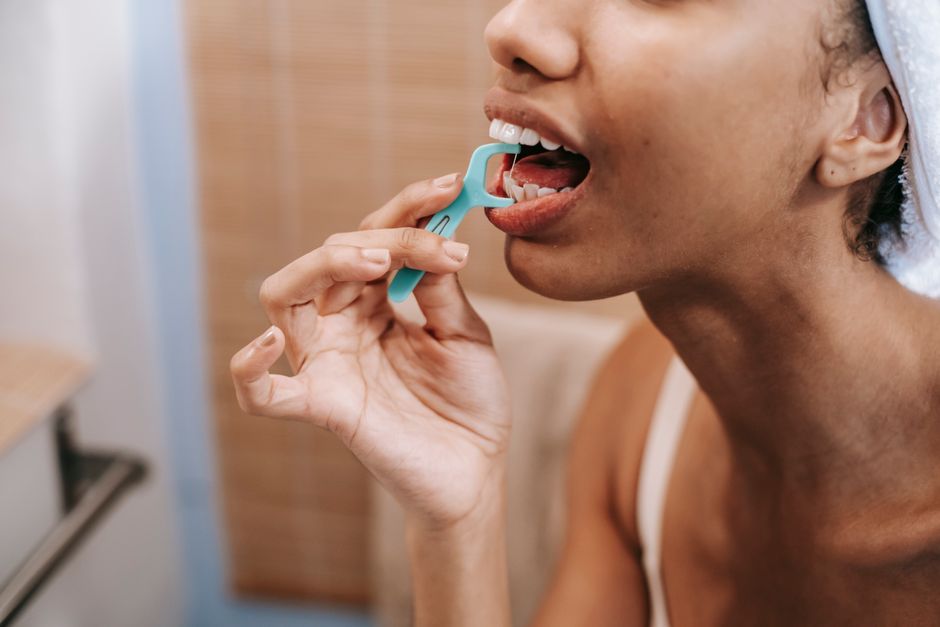
Use floss carefully. Sometimes food stuck between teeth causes pressure and pain. Gently work the floss between the teeth. If you hit a sharp area or the pain worsens, stop. You do not want to damage the gum tissue further. After flossing, check if the pain changes. If it does, the issue may be trapped debris rather than decay.
Apply a cold compress to the outside of your cheek. Wrap ice in a thin cloth and hold it against the area for 15 minutes, then remove it for 15 minutes. This numbs the area and reduces swelling. Do not apply ice directly to the tooth or gums. That can damage soft tissue.
Over-the-Counter Pain Relief Options
Nonsteroidal anti-inflammatory drugs, or NSAIDs, are the most effective over-the-counter choice for tooth pain. Ibuprofen (Advil, Motrin) and naproxen (Aleve) reduce inflammation, which directly targets the source of the pain. Acetaminophen (Tylenol) also works, but it does not reduce inflammation.
Follow the dosing instructions on the label. Do not exceed the recommended daily limit. If you have kidney disease, stomach ulcers, or a history of bleeding problems, talk to a pharmacist before taking NSAIDs. For severe pain, some clinicians suggest alternating ibuprofen and acetaminophen, but check with a professional first. Never take more than the label directs, and never give aspirin to children or teenagers.
Numbing gels containing benzocaine can provide temporary relief. These are applied directly to the gum or tooth with a cotton swab. Use them sparingly. Overuse can cause a condition called methemoglobinemia, which reduces oxygen in the blood. This is rare but serious. Follow the package instructions exactly.





Home Remedies That Work and Ones That Don’t
Clove oil is one of the few natural remedies with real evidence behind it. The active compound, eugenol, has numbing and antibacterial properties. Some research suggests it can be as effective as benzocaine for temporary pain relief. Dip a cotton ball in a small amount of clove oil and hold it against the affected tooth. Do not swallow it, and avoid getting it on your tongue or gums because it can cause irritation.
Vanilla extract can offer mild relief because it contains alcohol, which numbs tissue slightly. Apply a few drops to a cotton ball and hold it on the sore spot. This is not a strong painkiller, but it can help in a pinch.
Garlic is often promoted as a remedy, but the evidence is weak. It contains allicin, which has antibacterial properties in a lab setting. No clinical studies confirm that applying raw garlic to a tooth stops pain in humans. It can also cause chemical burns on the gums. Skip this one.
Whiskey or other alcohol is not a proven remedy. Holding alcohol in your mouth does not kill bacteria effectively and can irritate the gums. The numbing effect is temporary and not worth the tissue damage. Do not use it.
What Not to Do When You Have a Toothache
Do not place aspirin directly on the tooth or gum. This is a common myth. Aspirin is acidic and can burn the soft tissue, creating a chemical burn that makes the pain worse. Swallow aspirin as directed if you choose to take it, but do not hold it against the tooth.
Do not apply heat. Heat increases blood flow to the area, which can worsen inflammation and swelling. Cold is the better choice. If you have an abscess, heat can make the infection spread faster.
Do not ignore the pain and hope it goes away. A toothache that resolves on its own does not mean the problem is gone. The nerve inside the tooth may have died, which stops the pain but leaves the infection active. This is why dental follow-up is essential even if the pain stops.
When Tooth Pain Is a Dental Emergency
Some situations require immediate professional care. If you have swelling in your face, jaw, or neck, this can indicate a spreading infection. If you have a fever, difficulty swallowing, or trouble breathing, go to an emergency room. These are signs of a serious condition called a dental abscess that has spread beyond the tooth.
A tooth that is knocked out, cracked deeply, or causing severe bleeding also needs urgent care. If a tooth is knocked out, hold it by the crown, not the root. Rinse it gently with milk or saline, and try to place it back in the socket. If that is not possible, keep it in a container of milk and get to a dentist within 30 minutes.
For ordinary tooth pain without swelling, call your dentist in the morning. Most dental offices reserve time for emergency patients. Explain your symptoms clearly so they can prioritize your appointment.
Why Home Care Cannot Fix the Problem
Home remedies manage symptoms temporarily. They do not remove decay, repair a cracked tooth, or drain an abscess. The underlying issue remains and will likely worsen with time. A cavity that reaches the pulp requires a root canal. An abscess may need drainage and antibiotics. These are procedures only a dentist can perform.
Delaying treatment can lead to more serious problems. An untreated infection can spread to the jawbone, sinuses, or bloodstream. This can become a life-threatening condition. The cost of early treatment is almost always lower than the cost of treating advanced disease.
Preventing Future Toothaches
Brush your teeth twice a day with fluoride toothpaste. Floss once a day to remove plaque between teeth where a brush cannot reach. Limit sugary foods and drinks, especially between meals. Sugar feeds the bacteria that produce acid, which erodes enamel and causes cavities.
See your dentist for regular checkups and cleanings. Most people need this every six months, but your dentist may recommend a different schedule based on your risk. Catching problems early is the most reliable way to avoid severe tooth pain.
Frequently Asked Questions
How long can I wait before seeing a dentist for a toothache?
You should see a dentist within 24 to 48 hours for any toothache that lasts more than a day. If you have facial swelling, fever, or trouble breathing, seek emergency care immediately.
Is it safe to take ibuprofen for a toothache?
Yes, ibuprofen is safe for most adults when taken as directed on the label. Do not exceed the recommended dose, and avoid it if you have kidney disease, stomach ulcers, or a bleeding disorder.
Can clove oil really stop tooth pain?
Clove oil has numbing properties and can provide temporary relief, but it does not treat the underlying cause. Use it sparingly and only until you can see a dentist.
Why does my tooth hurt more at night?
Lying down increases blood pressure in your head, which can intensify throbbing pain. The effects of pain relievers may also wear off during the night, making the pain more noticeable.
