
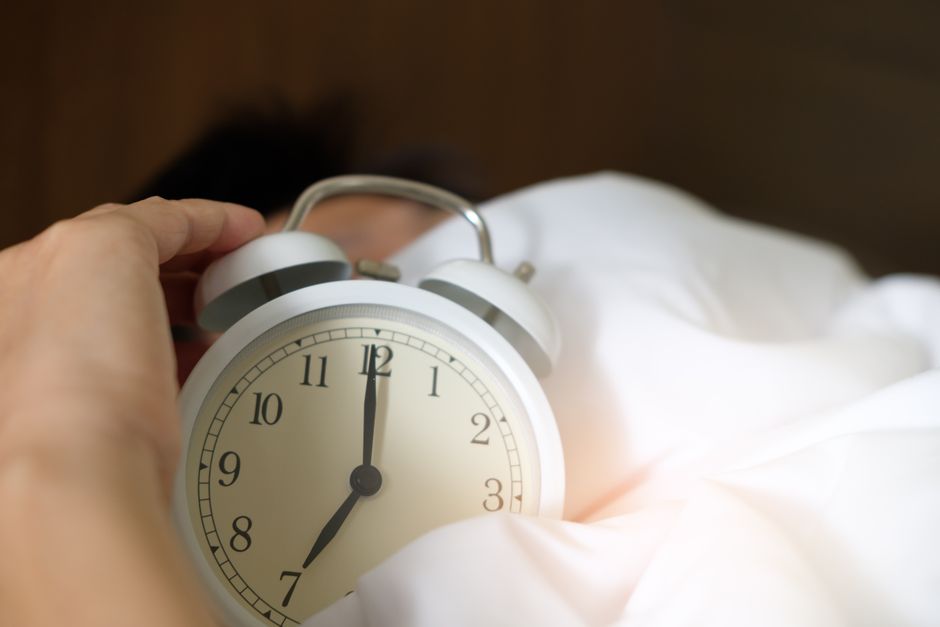
Waking up feeling like you’ve been hit by a truck is not a normal part of life. That heavy, foggy, disoriented state you feel in the first minutes after opening your eyes has a medical name: sleep inertia. It happens when your brain is trying to finish its sleep cycle while your body is demanding you get up. The good news is that this feeling is not permanent, and there are specific, evidence-backed ways to shorten it and stop it from ruining your morning.
What Is Sleep Inertia and Why Does It Happen?
Sleep inertia is the transitional state between sleep and full wakefulness. During this period, your brain is not fully online. Blood flow to the brain is still reduced, and your cognitive functions—like memory, reaction time, and decision-making—are working at a fraction of their normal capacity.
This happens because your brain does not switch off and on like a light bulb. It goes through stages. When you wake up during the deeper stages of sleep, particularly slow-wave sleep, your brain has to work harder to “reboot.” If you wake up during rapid eye movement (REM) sleep, you might feel groggy but less disoriented. Waking during deep sleep is the most jarring because your brain waves are at their slowest.
The severity of sleep inertia varies from person to person. For most people, it lasts between 15 and 30 minutes. For others, it can linger for up to two hours. Research consistently shows that cognitive performance is significantly impaired during this window, which is why you might struggle to form a coherent sentence or remember where you put your keys.
How To Cure Sleep Inertia And Stop Waking Up Groggy
The most effective way to reduce sleep inertia is to align your waking time with your natural sleep cycles. A full sleep cycle lasts about 90 minutes. If you wake up at the end of a cycle, you feel alert. If you wake in the middle, you feel terrible. This is why sleeping for eight hours can still leave you groggy if you wake at the wrong moment in the cycle.
To stop waking up groggy, you need to wake up during light sleep. You can achieve this by setting your alarm based on your bedtime, not a fixed time. If you go to bed at 11:00 PM, set your alarm for 6:30 AM, which is seven and a half hours later—exactly five sleep cycles. If you need more sleep, aim for nine hours, which is six cycles. This approach is not a cure, but it significantly reduces the intensity of sleep inertia.
Light exposure is the second most powerful tool. When light hits your eyes, it signals the suprachiasmatic nucleus in your brain to stop producing melatonin, the sleep hormone. Open your curtains immediately. If it is dark outside, turn on bright indoor lights. Some research suggests that gradual light—like a sunrise alarm clock—can ease the transition better than a sudden blast of light.
Why Does Caffeine Work and When Should You Take It?
Caffeine works by blocking adenosine receptors in the brain. Adenosine is a chemical that builds up throughout the day and makes you feel sleepy. When caffeine blocks these receptors, you feel more alert. This is a proven mechanism, but timing matters.
Taking caffeine immediately upon waking is not optimal. Your body naturally produces cortisol in the morning, which helps you wake up. If you drink coffee when cortisol levels are peaking, you build a tolerance faster and blunt the effect. Waiting 60 to 90 minutes after waking allows your cortisol to drop and gives caffeine a stronger effect.
A “caffeine nap” is another technique with some evidence behind it. Drink a coffee and immediately take a 20-minute nap. The nap clears adenosine from your brain while the caffeine binds to receptors. When you wake, you get the benefits of both. A 20-minute nap also prevents you from entering deep sleep, which would cause sleep inertia when you wake.





Does Temperature Affect Morning Grogginess?
Yes, body temperature plays a direct role in how you wake up. Your core body temperature drops when you sleep and rises when you wake. This temperature shift is controlled by your circadian rhythm. If your bedroom is too warm, your body struggles to complete this temperature transition, which prolongs sleep inertia.
Your body also uses temperature to regulate sleep stages. A cooler room—around 65 degrees Fahrenheit—supports deep sleep. In the morning, a cool splash of water on your face or a cold shower can trigger a rapid temperature shift that signals your brain to wake up. The shock does not “cure” sleep inertia, but it provides a physiological jolt that shortens the foggy period.
Conversely, a hot shower in the morning can make you feel worse if you stay in too long. The heat raises your core temperature, which your body associates with sleep onset. A brief warm shower is fine, but if you feel groggier after a long hot shower, temperature is the likely culprit.
What Role Does Hydration and Food Play?
Mild dehydration is common after a night of sleep. You go six to eight hours without water, and your body loses fluid through breathing and sweating. Dehydration reduces blood volume, which makes your heart work harder to pump oxygen to your brain. This contributes to the heavy, sluggish feeling of sleep inertia.
Drinking a glass of water immediately upon waking helps, but it is not a magic fix. Your body needs time to absorb the fluid and restore blood volume. Drinking water consistently throughout the day is more important than chugging a glass in the morning. If you wake up with a dry mouth or headache, you are likely dehydrated and should prioritize water intake before caffeine.
Food has a smaller effect on sleep inertia than hydration. Eating a protein-rich breakfast provides steady glucose to the brain, which supports cognitive function. A high-sugar breakfast—like cereal or pastries—causes a rapid spike and then a crash in blood sugar, which can extend the groggy feeling. The evidence on breakfast composition and sleep inertia is limited, but stable blood sugar is generally associated with better morning alertness.
Can You Train Yourself To Wake Up Without An Alarm?
Waking up without an alarm is the gold standard for avoiding sleep inertia. When you wake naturally, you do so at the end of a sleep cycle, during light sleep. This is why people who wake without an alarm often report feeling more refreshed than those who are jolted awake.
To train yourself to wake without an alarm, you need a consistent sleep schedule. Go to bed and wake up at the same time every day, including weekends. Your body’s circadian rhythm will eventually sync to this schedule, and your brain will begin to reduce melatonin production before your usual wake time. This process takes one to two weeks of strict consistency.
If you cannot wake without an alarm, use a gentle alarm instead of a harsh buzzer. Alarms that simulate sunrise or play soft sounds gradually increase your awareness without pulling you abruptly from deep sleep. The specific alarm sound matters less than the gradual onset. A sudden loud noise is the worst possible way to wake up because it forces your brain to jump from deep sleep straight to full alertness, which is not how the brain naturally transitions.
When Is Morning Grogginess A Sign Of Something Serious?
Sleep inertia is normal, but persistent, severe morning grogginess can indicate an underlying sleep disorder. If you wake up groggy every day despite getting seven to nine hours of sleep, you should consider whether you have sleep apnea. Sleep apnea causes breathing to stop and start during the night, preventing deep sleep. People with sleep apnea often wake up gasping, with headaches, or feeling exhausted despite a full night in bed.
Another condition to consider is delayed sleep phase disorder. This is a circadian rhythm disorder where your internal clock is shifted later than normal. You cannot fall asleep until late at night and struggle to wake in the morning. This is more common in teenagers and young adults, but it persists into middle age for some people.
If sleep inertia lasts more than two hours regularly, or if you experience confusion, disorientation, or difficulty staying awake during the day, speak with a doctor. A sleep study can identify whether your problem is sleep inertia or a treatable sleep disorder. Do not ignore persistent morning exhaustion—it is a signal that your sleep quality is compromised, even if you cannot identify the cause yourself.
Frequently Asked Questions
How long does sleep inertia typically last?
Sleep inertia usually lasts between 15 and 30 minutes. In some cases, it can persist for up to two hours, especially if you woke from deep sleep.
Does hitting snooze make sleep inertia worse?
Yes, hitting snooze fragments your sleep and increases grogginess. Each time you fall back asleep, you start a new sleep cycle, and the alarm wakes you mid-cycle, which intensifies sleep inertia.
Can sleep inertia be completely eliminated?
No, sleep inertia cannot be completely eliminated in most people, but it can be significantly reduced. Waking at the end of a sleep cycle and getting light exposure immediately are the most effective ways to shorten it.
Is it better to wake up during REM or deep sleep?
Waking during REM sleep is generally less disorienting than waking during deep sleep. REM sleep is closer to wakefulness, so your brain transitions more easily, whereas deep sleep requires a longer “reboot” period.
