
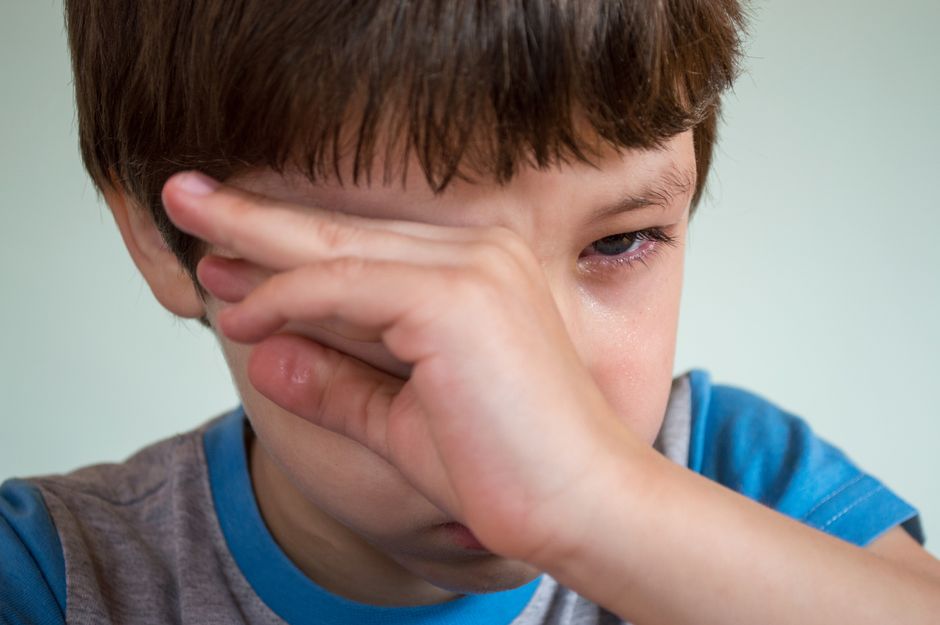
When your child says their eye hurts, it can be hard to know how serious it is. Eye pain in children is common, and most causes are minor and resolve quickly. The most frequent culprits are foreign objects like sand or eyelashes, allergies, viral conjunctivitis (pink eye), or simple eye strain. However, pain can also signal a more serious condition like a corneal scratch or, rarely, something urgent like acute glaucoma. This guide breaks down the common causes, the symptoms that matter, and what you should do at home versus when you need to call a doctor.
Why Is My Childs Eye Hurting Common Causes What To Do
Determining the cause of your child’s eye pain starts with observation. Look at the eye and ask specific questions about the feeling. A gritty sensation usually points to a particle in the eye. A burning or itchy feeling often signals allergies. Sharp pain with light sensitivity may indicate a scratch on the cornea. The table below outlines the most common causes, their key signs, and the first steps you should take.
| Likely Cause | Key Symptoms | What To Do |
|---|---|---|
| Foreign object (sand, dust, eyelash) | Gritty feeling, watering, blinking a lot | Rinse the eye gently with clean water or saline. If it does not wash out, see a doctor. |
| Allergies | Itching, redness, watery discharge, swollen eyelids | Use a cold compress. An oral antihistamine can help if allergies are known. Avoid rubbing. |
| Viral conjunctivitis (pink eye) | Redness, watery discharge, burning, often starts in one eye | Clean the eye with a warm, wet cloth. This is highly contagious, so wash hands often. |
| Corneal abrasion (scratch) | Sharp pain, sensitivity to light, feeling like something is still in the eye | Do not rub. See a doctor promptly. An abrasion can become infected if untreated. |
| Bacterial conjunctivitis | Thick yellow or green discharge, eyelids stuck together in the morning | See a doctor. This often requires prescription antibiotic eye drops. |
| Eye strain | Dull ache behind the eye, tired eyes, headache | Rest the eyes. Take breaks from screens and close the eyes for a few minutes. |
How to Tell If It Is Pink Eye or Something Else
Pink eye, or conjunctivitis, is the inflammation of the clear tissue covering the white part of the eye. It is incredibly common in children. Viral pink eye typically produces a watery discharge and starts in one eye before spreading to the other. Bacterial pink eye produces a thicker, pus-like discharge.
If the eye is red but the pain is intense rather than just uncomfortable, pink eye is less likely. Pink eye is usually irritating but not deeply painful. Severe pain, especially with light sensitivity, suggests the cornea is involved. A corneal abrasion occurs when the surface of the eye gets scratched, often by a fingernail, a piece of paper, or a tree branch. This requires a doctor’s evaluation because the scratch can become infected and lead to a corneal ulcer.
Home Care That Is Safe and Effective
For minor irritation, you can do several things at home. Always wash your hands before touching the area around your child’s eye. If you suspect a foreign body, gently pull the upper eyelid over the lower eyelid. This sometimes helps tears flush the particle out. Alternatively, use a sterile saline solution or clean running water to rinse the eye from the inner corner outward.
A cold compress can reduce itching and swelling from allergies. A warm compress is better for conjunctivitis because it helps loosen crusty discharge. Never rub the eye. Rubbing a scratched cornea makes the injury worse. Do not use any over-the-counter eye drops unless a doctor specifically recommends them. Redness-relief drops can mask symptoms and sometimes cause rebound redness when they wear off.





When Eye Pain Means a Medical Emergency
Some symptoms require immediate medical attention. Do not wait to see if they improve. Call your pediatrician, an ophthalmologist, or go to urgent care if your child experiences any of the following:
- Severe eye pain that does not settle with rest
- Vision changes, including blurring or double vision
- Extreme sensitivity to light
- Inability to open the eye fully
- Pus or thick discharge that is yellow or green
- Redness that spreads beyond the white of the eye
- Pain following a direct injury or a chemical splash
Chemical exposures are emergencies. If any cleaning product, soap, or other chemical gets in the eye, flush it with water continuously for at least 15 minutes and seek emergency care immediately. Do not stop flushing to drive. Continue rinsing in the car if you must drive, but ideally have someone else drive while the child continues to flush the eye.
Why Children Rub Their Eyes and Why It Matters
Children rub their eyes because it temporarily feels good. Rubbing stimulates the tear film and can briefly relieve itching. But rubbing is often the reason the pain worsens. If a child has an allergy, rubbing releases more histamine from mast cells in the eyelid tissue, which causes more itching. This creates a cycle of rub-itch-rub.
More concerning is rubbing when a foreign object is present. A sharp particle like a piece of sand or a metal shaving can scratch the cornea when rubbed against it. This turns a simple problem into a corneal abrasion. Teach older children to tell you when they feel something in their eye rather than rubbing it. For younger children, distraction and a cold compress are the best ways to break the rubbing cycle.
Screen Time and Eye Strain in Children
Digital eye strain is a growing cause of eye discomfort in children. When a child stares at a screen, they blink less often. Reduced blinking dries out the tear film, leading to a gritty, burning sensation. The eyes also have to work harder to focus on a screen than on a printed page, which can cause a dull ache behind the eyes.
The 20-20-20 rule is a simple practical tool. Every 20 minutes, look at something 20 feet away for at least 20 seconds. This allows the focusing muscles to relax. It is also important to remind children to blink fully and often. If your child wears glasses, make sure the prescription is current. An outdated prescription forces the eyes to work harder and increases strain.
Preventing Eye Injuries at Home and School
Most childhood eye injuries are preventable. Household cleaning products should be stored out of reach. Sharp objects like scissors and pencils should be used with supervision. During sports, protective eyewear matters. Sports like basketball, soccer, and baseball account for a significant number of pediatric eye injuries each year.
If your child wears glasses, consider polycarbonate lenses. They are more impact-resistant than standard plastic lenses. For children involved in contact sports, consult an eye doctor about appropriate protective gear. Standard eyeglasses are not protective eyewear. They can shatter on impact and cause more damage than the impact itself.
Teach children not to run with sharp objects in their hands. This includes pencils, pens, and scissors. A simple fall with a pencil in hand can cause a penetrating eye injury. These injuries are serious and can permanently damage vision.
Why You Should Not Use Leftover Antibiotic Drops
If you have old antibiotic eye drops in your medicine cabinet from a previous infection, do not use them on your child’s current eye issue. The drops may be expired, which means they are less effective or potentially contaminated. More importantly, the current problem may not be bacterial. Using antibiotic drops for a viral infection or an allergy does nothing and can irritate the eye further.
Using the wrong medication can also create resistance. If the eye does have a bacterial infection, using an old or incorrect antibiotic may not kill the specific bacteria. This can make the infection worse and harder to treat. Always get a fresh evaluation and a new prescription when an eye infection is suspected.
Frequently Asked Questions
How long does a scratched eye take to heal in a child?
A simple corneal abrasion usually heals within 24 to 48 hours with proper care. If the pain persists beyond two days or worsens, return to the doctor because an infection may be developing.
Can a child go to school with an eye infection?
Viral and bacterial conjunctivitis are highly contagious, so children should stay home until the discharge clears or a doctor confirms they are no longer contagious. Many schools require a doctor’s note before a child with pink eye can return.
Is it safe to use breast milk in a child’s eye for an infection?
No clinical evidence supports using breast milk as an eye treatment, and it is not sterile. It can introduce bacteria into an already irritated eye and delay proper medical treatment.
What does it mean if my child’s eye hurts only in bright light?
Light sensitivity, called photophobia, often indicates a corneal abrasion or inflammation inside the eye. If light sensitivity is severe or accompanied by redness and pain, seek medical evaluation promptly.
