
Head lice are tiny insects that live on the human scalp and feed on blood. Getting rid of them requires killing both the live bugs and their eggs (nits) with the right treatment, followed by careful combing to remove every last egg. The most effective approach combines a proven over-the-counter or prescription treatment with thorough wet combing every few days for at least two weeks.
How Do You Know If You Actually Have Head Lice?
Before you treat anything, you need to be sure it is head lice. Many people mistake dandruff, hair product residue, or dirt for nits. Nits are small, oval-shaped eggs that stick firmly to the hair shaft, usually within a quarter inch of the scalp. They are not easily flicked off like dandruff.
Look for live lice first. They are about the size of a sesame seed and move quickly. They avoid light, so parting the hair section by section under a bright light is the best way to spot them. The CDC reports that itching is the most common symptom, but it can take four to six weeks after infestation to develop. Some people never itch at all.
If you are unsure, ask someone else to check. A fine-toothed lice comb run through wet hair with conditioner can catch live lice and give you a clear answer. Do not treat based on suspicion alone. Treating without confirmation exposes you to unnecessary chemicals and effort.
What Are the Most Effective Treatments for Head Lice?
Over-the-counter treatments containing permethrin (Nix) or pyrethrin (Rid) have been the standard for decades. Research published in the journal Pediatrics found that permethrin kills live lice effectively, but resistance has become a real problem in many parts of the United States. If you use these and still see live lice after two treatments, resistance is likely.
Prescription options work when OTC treatments fail. Ivermectin (Sklice) is a single topical application that kills lice by paralyzing them. Spinosad (Natroba) also works in one application and does not require nit combing, though combing is still recommended. Benzyl alcohol (Ulesfia) suffocates lice rather than poisoning them, which means resistance is less likely to develop.
For severe cases, oral ivermectin is available by prescription. A 2010 study in The New England Journal of Medicine showed that two doses taken eight days apart cleared head lice in over 95 percent of patients. This is usually reserved for cases that do not respond to topical treatments.
Dimethicone-based products are a non-chemical option that works by coating lice and suffocating them. Some studies suggest dimethicone is as effective as permethrin. These are available over the counter under brand names like LiceMD and Nix Ultra. They are safe for children and adults with sensitive skin.
Does Wet Combing Alone Get Rid of Head Lice?
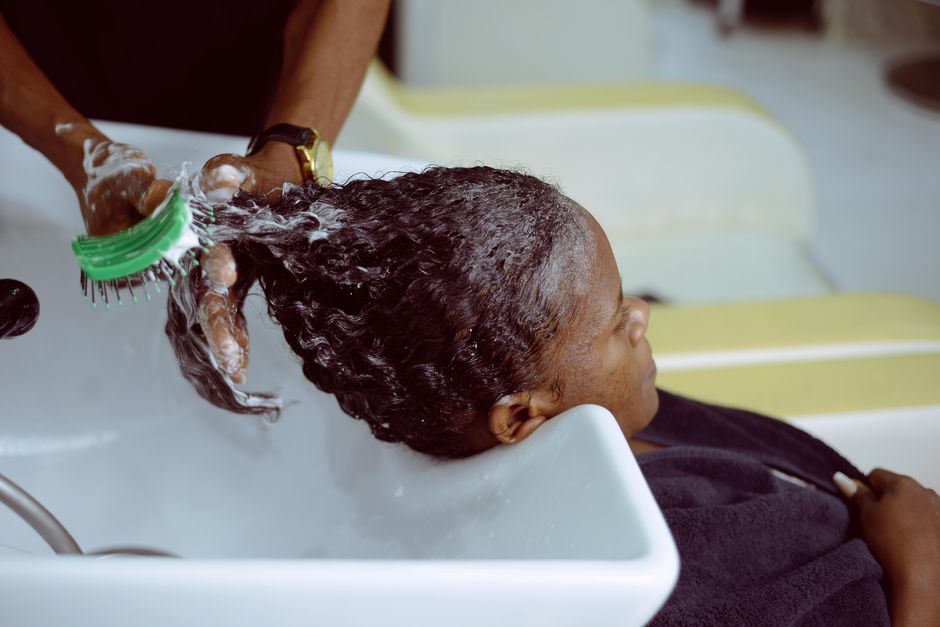
Wet combing is the oldest method and it works if done correctly. The technique is called “bug busting” in the UK and involves combing wet, conditioned hair section by section with a fine-toothed lice comb every three to four days for two weeks. The conditioner makes it harder for lice to grip the hair and easier to slide them off.
The problem is that most people do not comb thoroughly enough. You must comb every single section of hair from scalp to tip, wiping the comb on a paper towel after each pass. Missing even a small patch of hair can leave behind a few eggs that hatch and restart the infestation. Research from the Cochrane Database of Systematic Reviews found that wet combing alone is less effective than chemical treatments when done by untrained people.
Combing is essential as a follow-up to any treatment. No chemical kills every single egg. The eggs that survive need to be physically removed within a week before they hatch. Combining a chemical treatment with thorough wet combing gives the best chance of complete removal.



How To Get Rid of Head Lice Without Chemicals
Many people want to avoid pesticides, especially for young children. The most researched non-chemical option is dimethicone, which is a silicone-based oil that suffocates lice. It is not a pesticide and has a very low risk of side effects. A 2018 study in Pediatric Dermatology found dimethicone cleared lice in 89 percent of cases after two applications.
Tea tree oil and other essential oils are widely claimed to work, but the evidence is weak. Some small studies show tea tree oil can kill lice in a lab setting, but no large clinical trials have proven it works on real infestations. The National Institutes of Health notes that tea tree oil can cause skin irritation and allergic reactions. It should not be used undiluted on the scalp.
Olive oil, mayonnaise, and petroleum jelly are popular home remedies. The idea is that smothering the lice will kill them. The problem is that lice can survive without breathing for several hours. These methods require leaving the substance on the hair overnight under a shower cap, which is uncomfortable and rarely done correctly. There is no strong evidence that any of these work reliably.
Heat treatment is another option. Specialized devices like the LiceGuard RobiComb use low levels of electrical current to kill lice. A 2016 study found that a single treatment with a heated air device called the AirAlle cleared lice in 88 percent of cases. These devices are expensive and not widely available, but they are chemical-free and can be effective.
What to Avoid When Treating Head Lice
Do not use flea shampoos or pet lice treatments on humans. They contain different chemicals at different concentrations and can cause serious skin burns or poisoning. The American Academy of Pediatrics specifically warns against this.
Do not use flammable substances like kerosene, gasoline, or lighter fluid. People have died from doing this. It is not a home remedy. It is a deadly mistake.
Do not use mayonnaise or olive oil as a primary treatment. They are messy, uncomfortable, and unproven. If you want a chemical-free option, use dimethicone instead.
Do not treat with prescription medications unless you have confirmed live lice. Overuse of prescription lice treatments contributes to resistance and exposes you to unnecessary side effects. Always confirm the infestation first.
Do not treat the whole family unless you find live lice on someone. Treating everyone “just in case” is unnecessary and wasteful. Check everyone thoroughly and only treat those with confirmed live lice.
Do not use lice repellents or prevention sprays. There is no evidence that any product prevents head lice. The best prevention is checking your child’s hair regularly and treating promptly if you find lice.
How to Clean Your Home After Head Lice
Head lice cannot survive away from the human scalp for more than 24 to 48 hours. They also cannot jump or fly. They spread only through direct head-to-head contact. This means you do not need to fumigate your house or throw away bedding.
Wash bedding, towels, and clothing that the infested person used in the past two days in hot water (at least 130°F) and dry on high heat. Items that cannot be washed can be sealed in a plastic bag for two weeks. Vacuum carpets and furniture, but do not use lice sprays on furniture. These sprays are not necessary and can be toxic.
Do not spend hours cleaning every surface. The risk of getting lice from a pillowcase or couch is very low. Focus your energy on treating the person and combing their hair thoroughly. That is where the real work is.
| Treatment | Type | Effectiveness | Resistance Common? | Key Consideration |
|---|---|---|---|---|
| Permethrin (Nix) | OTC chemical | Moderate | Yes, increasing | Resistance varies by region |
| Pyrethrin (Rid) | OTC chemical | Moderate | Yes | Not for chrysanthemum allergy |
| Ivermectin (Sklice) | Prescription topical | High | Rare | Single application usually enough |
| Spinosad (Natroba) | Prescription topical | High | Rare | No combing required |
| Dimethicone | OTC non-chemical | High | Not applicable | Safe for sensitive skin |
| Wet combing alone | Physical | Low to moderate | Not applicable | Requires perfect technique |
How Long Does It Take to Get Rid of Head Lice?
With an effective treatment, live lice die within hours. The eggs that survive will hatch in 7 to 10 days. This is why a second treatment is usually recommended 9 to 10 days after the first. The second treatment kills the newly hatched lice before they can lay their own eggs.
If you use a single-application treatment like ivermectin or spinosad, you still need to comb out eggs. Comb every three to four days for two weeks to catch any survivors. Most cases are fully resolved within two to three weeks if treatment and combing are done correctly.
If you still see live lice after two rounds of treatment, you may have resistant lice. Switch to a different class of treatment. A prescription option from your doctor is usually the next step. Do not keep using the same product repeatedly if it is not working.
Frequently Asked Questions
Can head lice jump from one person to another?
No. Head lice cannot jump, fly, or swim. They crawl from one head to another during direct head-to-head contact.
Do I need to wash all my clothes and bedding?
Only wash items used in the past 48 hours in hot water and dry on high heat. Lice die within 24 to 48 hours off the scalp.
Can head lice survive in hair that has been dyed?
Hair dye does not reliably kill head lice or their eggs. Some chemicals in dye may kill a few lice, but it is not a proven treatment.
Is it safe to use lice treatment on a baby under 2 months old?
No. Do not use chemical lice treatments on infants under 2 months without a doctor’s approval. Wet combing is the only safe option for newborns.
